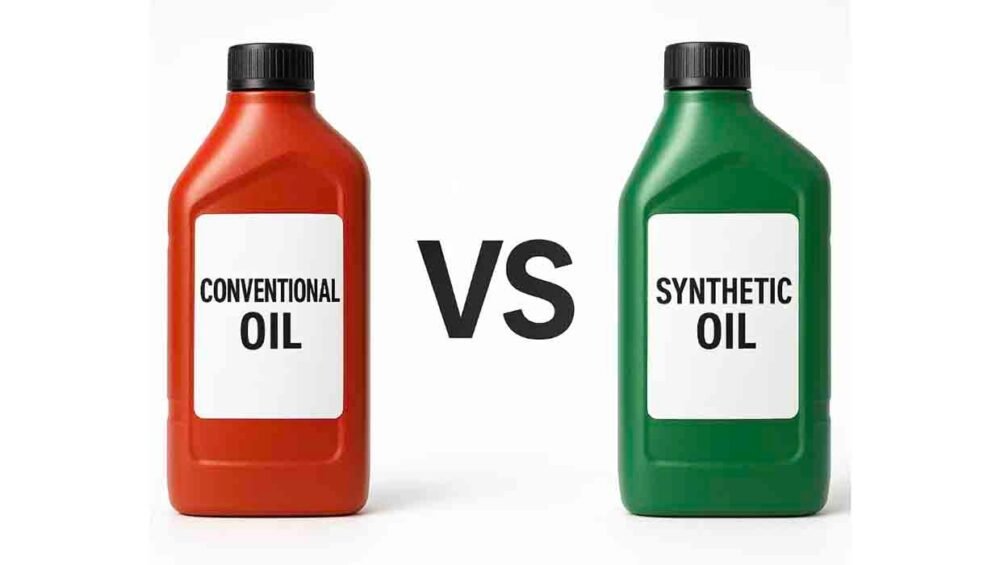
Conventional vs. Synthetic Oil
Which Is Better for Your Vehicle? Choosing the right engine oil is one of the most important decisions you can make to protect your vehicle. Engine oil does much more than lubricate moving parts. It helps reduce friction, control engine temperature, prevent premature wear, and keep internal engine components clean. However, with conventional and synthetic oil available at most auto service centres, many drivers wonder which option offers the best protection. Conventional vs. Synthetic Oil: Should you choose conventional oil to save money, or is synthetic oil worth the additional cost? The answer depends on several factors, including your vehicle’s age, engine design, driving habits, mileage, and manufacturer’s recommendations. Selecting the wrong oil can affect engine performance and potentially increase maintenance costs over time. If you are searching for the Best oil changer in Sugar Land, understanding the differences between conventional and synthetic oil can help you make a more informed maintenance decision. In this guide, we will explain how both types of engine oil work, compare their advantages and disadvantages, and help you determine which option is right for your vehicle. What Is Conventional Engine Oil? Conventional engine oil is a petroleum-based lubricant refined from crude oil. It contains a combination of base oils and additives designed to lubricate engine components, reduce friction, and protect against everyday engine wear. It has been used in vehicles for decades and remains a suitable option for many engines that are designed to operate with conventional oil. Benefits of Conventional Oil 1. Lower Initial Cost – One of the biggest advantages of conventional oil is its affordability. It generally costs less than synthetic oil, making it an economical option for vehicles that are approved for its use. 2. Suitable for Certain Older Vehicles – Some older vehicles were originally designed to operate with conventional engine oil. When the manufacturer’s specifications allow it, conventional oil can provide appropriate lubrication and protection. 3. Widely Available – Conventional engine oil is readily available at many automotive service centres, making it easy for drivers to find a suitable oil change option. Disadvantages of Conventional Oil Despite its affordability, conventional oil has certain limitations: It generally breaks down faster under demanding operating conditions. It may be less resistant to extreme temperatures than full synthetic oil. It can require more frequent replacement, depending on the vehicle and operating conditions. It may provide less consistent performance in some modern, high-performance engines. Conventional oil is not necessarily a poor choice. However, it is important to ensure that it meets your vehicle manufacturer’s viscosity and performance requirements. What Is Synthetic Engine Oil? Synthetic engine oil is a specially formulated lubricant designed to provide consistent performance and enhanced protection under a wide range of operating conditions. Unlike conventional oil, full synthetic oil uses highly refined or chemically modified base oils combined with carefully selected additives. Its formulation is engineered to deliver specific performance characteristics, including temperature stability, oxidation resistance, and engine cleanliness. Many modern vehicles require or recommend synthetic oil because of their advanced engine designs and tighter internal tolerances. Benefits of Synthetic Oil 1. Better Performance in Extreme Temperatures – Synthetic oil is generally designed to maintain its protective properties across a wider temperature range. It can flow effectively during cold starts and maintain viscosity under high-temperature operating conditions. 2. Improved Engine Protection – Its formulation can help reduce friction and protect engine components against wear, particularly under demanding driving conditions. 3. Better Resistance to Oil Breakdown – Full synthetic oil generally offers greater resistance to oxidation and thermal breakdown than conventional oil. This helps it maintain its performance over the manufacturer’s recommended service interval. 4. Helps Keep Engine Components Cleaner – Synthetic oil formulations often include detergents and dispersal that help control deposits and suspend contaminants, supporting engine cleanliness. 5. Potentially Longer Oil Change Intervals – Depending on your vehicle, oil specification, and driving conditions, synthetic oil may support longer oil change intervals than conventional oil. However, always follow the manufacturer’s recommended maintenance schedule rather than assuming every synthetic oil lasts the same amount of time. Disadvantages of Synthetic Oil Synthetic oil also has a few considerations: It generally costs more than conventional oil. Not every vehicle requires full synthetic oil. Choosing an incorrect viscosity or specification can negatively affect engine performance. Extended oil change intervals are not automatically appropriate for every vehicle. For many modern vehicles, however, the additional protection and performance characteristics make synthetic oil a worthwhile investment. Which one is better? Full synthetic oil generally offers superior performance in temperature stability, oxidation resistance, and protection under demanding conditions. However, conventional oil can still be a suitable and cost-effective option for vehicles whose manufacturers approve it. The best choice is always the oil that meets your vehicle manufacturer’s specifications. Which Engine Oil Is Better for Your Vehicle? There is no universal answer because different vehicles have different engine requirements. Your owner’s manual is the most reliable source for determining the correct oil type, viscosity, and performance specification. Here are some situations to consider: 1. For Newer Vehicles – Many newer vehicles require or recommend full synthetic oil because of their advanced engine technology, turbochargers, and tighter manufacturing tolerances. Using the recommended synthetic oil can help maintain proper lubrication and support long-term engine performance. 2. For Older Vehicles – Older vehicles may be compatible with conventional, synthetic blend, or full synthetic oil. However, vehicle age alone does not determine which oil is appropriate. Check the manufacturer’s recommendations and consider the engine’s current condition before making a decision. 3. For High-Mileage Vehicles – High-mileage engines may benefit from specially formulated high-mileage oils. These products are available in conventional, synthetic blend, and full synthetic formulations. They may contain additives designed to help condition seals and manage deposits. However, they cannot repair worn or damaged engine components. 4. For Vehicles Driven in Hot Weather – Drivers in Sugar Land, TX, experience hot summer temperatures that can place additional demands on vehicle cooling and lubrication systems. Although the engine’s operating temperature is regulated