Autocareandtire

Call us

713-219-9472‬

Mon-Fri 8am-6pm

Saturday 8am-2pm

Auto Care & Tire

Schedule an online appointment

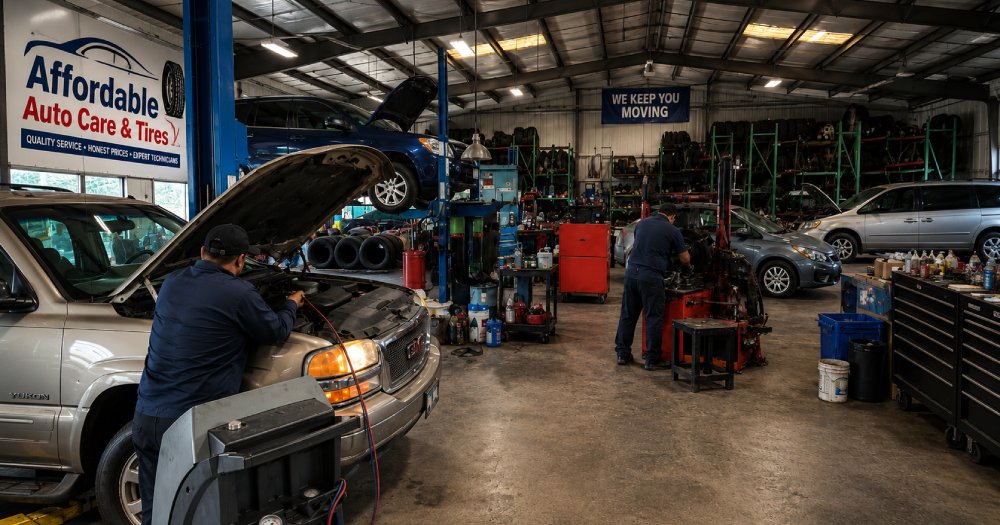
    Affordable Auto Care & Tires Sugar Land TX auto repair shop with mechanics servicing vehicles

    Auto Repair Shop Sugar Land TX: What Local Drivers Should Know Before Booking a Service

      If you live anywhere near Sugar Land, you already know how fast a small car problem can turn into a Saturday-morning headache. One minute your car is running fine, and the next you’re hearing a squeal from the brakes or watching the temperature gauge creep past normal. That’s usually the moment people start typing “auto repair shop Sugar Land TX” into their phone, hoping to find somewhere that won’t overcharge them or keep the car for three days without an update. This guide isn’t going to be another generic list of “top 10 mechanics near you.” Instead, it’s meant to walk you through what actually matters when picking an auto repair shop in Sugar Land, TX: what separates a decent shop from a great one, what kind of costs you should expect, and how to avoid the common traps that leave drivers frustrated after a repair. Why Sugar Land Drivers Need a Shop They Can Actually Trust Sugar Land isn’t a small town anymore. Between Telfair, First Colony, Riverstone, and Sweetwater, there’s a lot of daily driving happening: school runs, commutes into Houston, weekend errands across town. All that mileage adds up, and Texas heat doesn’t do your car any favors either. Summers here regularly push past 95°F, which is brutal on AC systems, batteries, and rubber components like belts and tires. That combination of heavy daily use plus extreme heat means Sugar Land vehicles tend to need attention a little more often than cars in milder climates. The problem is, not every repair shop treats that reality the same way. Some shops rush through inspections just to get cars in and out. Others take the time to actually explain what’s wrong, show you the worn part, and give you options instead of a single “take it or leave it” price. That difference is really what people are searching for when they look up an auto repair shop in Sugar Land, TX. They’re not just looking for someone with a wrench. They’re looking for someone who won’t waste their time or their money. What a Good Auto Repair Shop in Sugar Land Should Offer A shop worth your business usually checks a few boxes without you even having to ask: ASE-certified technicians – This isn’t just a badge on the wall. ASE certification means the person working on your car has passed standardized testing on specific systems, including engines, brakes, and electrical work, among others. It’s one of the easiest ways to tell a shop takes training seriously. Transparent, upfront pricing – You should get a written estimate before any work starts, not a surprise number when you come to pick up your keys. If a shop hesitates to explain costs clearly, that’s usually a sign to keep looking. Honest diagnostics – A trustworthy shop will tell you when something can wait and when it can’t. Not every warning light means an emergency, and a shop that pressures you into repairs you don’t need yet isn’t doing you any favors. Genuine or high-quality parts – Ask what kind of parts they’re using, whether that’s OEM, aftermarket, or a mix. There’s nothing wrong with quality aftermarket parts, but you deserve to know what’s going into your car. A shop that treats you like a person, not a ticket number – This one’s harder to measure, but you’ll feel it the moment you walk in. Family-owned shops in particular tend to build long-term relationships with customers rather than treating every visit as a one-time transaction. Common Repairs Sugar Land Drivers Bring In Certain issues show up again and again at local shops, and most of them tie back to the climate and driving patterns here. AC repair is probably the single most requested service between May and September. When your compressor, condenser, or refrigerant lines start failing in 100-degree heat, it’s not something you can put off for long. Brake work is another steady one, since city driving with a lot of stop-and-go traffic wears pads down faster than highway cruising does. Tire issues come up constantly too, partly because Texas heat accelerates rubber aging and partly because road debris on freeways like the Grand Parkway and Highway 6 is unavoidable. Then there’s the usual list: oil changes, battery replacements (heat is brutal on batteries), alignment issues from potholes, and check-engine-light diagnostics that could mean anything from a loose gas cap to a failing sensor. None of these are unusual problems. What matters is finding a shop that can diagnose them accurately the first time, instead of guessing and hoping. How Much Should Auto Repair Cost in Sugar Land, TX? This is one of the most searched questions, and honestly, there’s no single answer. It depends heavily on your vehicle’s make, model, age, and what’s actually wrong. That said, here’s a rough sense of what drivers typically encounter: Routine oil changes tend to run on the lower end of the cost spectrum, especially for shops that don’t push unnecessary add-ons. Brake pad replacement costs more if rotors also need to be resurfaced or swapped. AC repairs vary the most, since a simple recharge is far cheaper than replacing a failed compressor. Battery replacement is usually straightforward and predictable, while things like transmission or engine work can climb quickly depending on parts availability. The best way to avoid sticker shock isn’t to guess. It’s to ask for a written estimate before any repair begins and to ask what would happen if you skipped the repair for now. A shop confident in its diagnosis won’t mind explaining that. How to Choose the Right Shop (Without Wasting a Whole Afternoon) You don’t need to visit five shops in person to figure out who’s worth your business. A few quick checks go a long way: Look at recent reviews, not just the star rating. Reviews from the last few months tell you more about current service quality than a rating built up over ten years. Call ahead and ask a specific question, like how they handle diagnostics
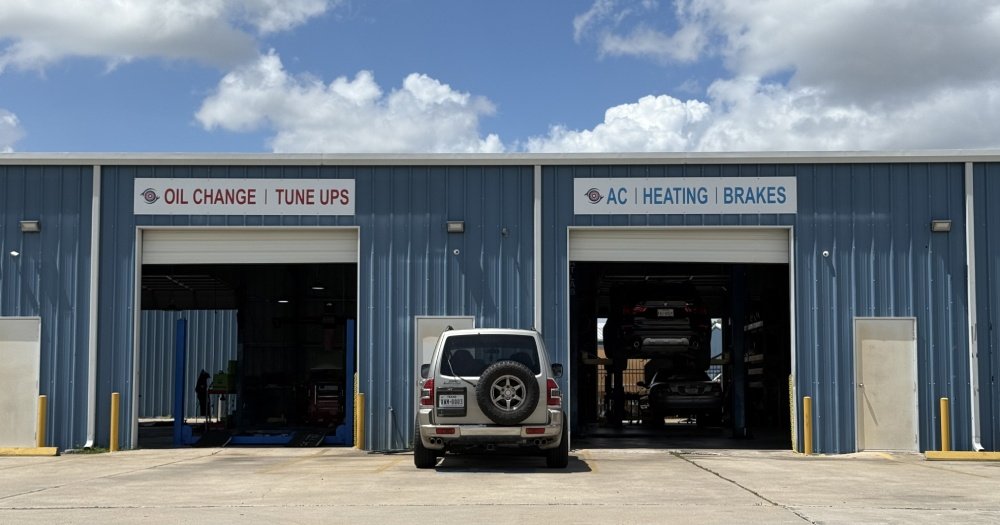
    Engine repair Sugar Land auto shop with oil change, tune up, AC, heating, and brakes service bays

    Car Engine Repair in Sugar Land, TX: Costs, Options & What Actually Happens at the Shop

    If you’re searching for engine repair Sugar Land drivers can rely on, this guide covers what repairs typically cost, how to know which option fits your situation, what happens once you drop your car off, and how to choose a shop you can trust. What Determines the Cost of Engine Repair? No two engine repairs cost the same, and anyone who quotes you a number without inspecting the vehicle first is guessing. Several factors drive the final price: Make and model. Parts for a Honda Civic cost far less than parts for a European luxury sedan. Labor time. Some repairs take an hour; others require pulling the engine out entirely. Age and mileage. Older, high-mileage engines sometimes reveal additional wear once a technician gets inside. OEM vs. aftermarket parts. Genuine manufacturer parts cost more but often carry better warranties. Severity. A simple gasket replacement and a full internal rebuild are worlds apart in price. Rather than guessing based on symptoms, the only reliable way to get an accurate number is a hands-on diagnostic. Ballpark ranges you’ll find online are a starting point for research, not a quote you should expect a shop to honor sight unseen.   Repair, Rebuild, or Replace? How to Decide This is the question that actually matters once a mechanic tells you something serious is wrong internally. Here’s how the three options differ: Repair makes sense when the problem is isolated, such as a single failed component like a water pump, a leaking gasket, or a faulty sensor. If the rest of the engine is healthy, fixing the specific part is the most cost-effective route. Rebuild (sometimes called a reman, or remanufacture) means the engine is taken apart, worn components are replaced or machined back to spec, and it’s reassembled. This is usually the right call when internal wear is widespread, but the block itself is still structurally sound. It costs more than a single repair but significantly less than a full replacement. Replace becomes the practical choice when the block is cracked, damage is too extensive to justify rebuilding, or rebuild labor would cost nearly as much as a replacement engine. Replacement engines can be new, remanufactured, or a quality used engine from a low-mileage donor vehicle. A rough rule of thumb: if the repair cost is under 30-40% of your car’s value, repairing or rebuilding usually makes sense. Beyond that, weigh the cost of replacement, or even whether it’s time for a different vehicle. A trustworthy shop walks you through this math honestly instead of pushing the most expensive option by default. What Different Engine Noises Actually Mean? Not all engine noises point to the same problem, and knowing the difference can help you describe the issue accurately when you call for an appointment. Knocking or pinging under acceleration often points to detonation issues, sometimes caused by low-quality fuel, sometimes by a more serious internal problem like worn rod bearings. Ticking or tapping, especially right after startup, is frequently related to low oil pressure or valvetrain components like lifters. Whining or grinding is more often a belt, pulley, or accessory component issue rather than something internal to the engine itself. Hissing usually signals a vacuum or exhaust leak rather than a mechanical engine problem. Rattling on startup that fades can point to timing chain slack, which is worth having checked before it worsens. Noise alone isn’t a diagnosis, but describing what you’re hearing, when it happens, and under what conditions helps a technician narrow things down faster once the car is on the lift. What Happens When You Bring Your Car in for Engine Repair? A lot of drivers put off car engine repair in Sugar Land shops could easily fix, simply because the process feels like a mystery. Here’s what a proper visit typically looks like: Initial conversation. You describe the symptoms: noises, warning lights, when the issue started, and any patterns you’ve noticed. Computer diagnostic scan. Technicians pull trouble codes from the vehicle’s onboard computer, which point toward, but don’t always confirm, the root cause. Physical inspection. This is where experience matters. A code might say “misfire,” but only a hands-on inspection reveals whether it’s a spark plug, a coil, a vacuum leak, or something deeper. Diagnosis and explanation. A good shop explains what’s actually wrong in plain language, along with the repair options and cost before any work begins. Repair work. Once you approve, the technician completes the repair, using OEM or quality aftermarket parts depending on what you’ve agreed to. Test drive and verification. The vehicle should be road-tested to confirm the original problem is resolved, not just that a warning light turned off. If a shop skips straight from “check engine light is on” to a repair quote without a real inspection, that’s a red flag worth paying attention to. Used, New, or Remanufactured: Choosing a Replacement Engine When replacement is the right call, you generally have three options: New engine. Rare for most consumer repairs since manufacturers typically don’t sell bare new engines outside of specific programs. Highest cost, longest lifespan. Remanufactured engine. Rebuilt to factory specifications with new or reconditioned parts, often backed by a solid warranty. A strong middle ground choice for most drivers. Used engine. Pulled from another vehicle, usually the most affordable option. The key risk is unknown history: mileage, maintenance records, and prior damage aren’t always verifiable, so buying from a shop that tests and verifies used engines before installation matters. For most drivers weighing cost against reliability, a remanufactured engine tends to offer the best balance, a warranty backing the investment without paying new-engine prices. Why Local Drivers Choose Affordable Auto Care & Tires for Engine Work? Engine repair isn’t something you want to hand off to just anyone. As one of the most trusted names for car engine repair in Sugar Land has to offer, Affordable Auto Care & Tires has built its reputation on honest diagnostics and quality repairs, not upselling. A few things worth checking before you commit: 

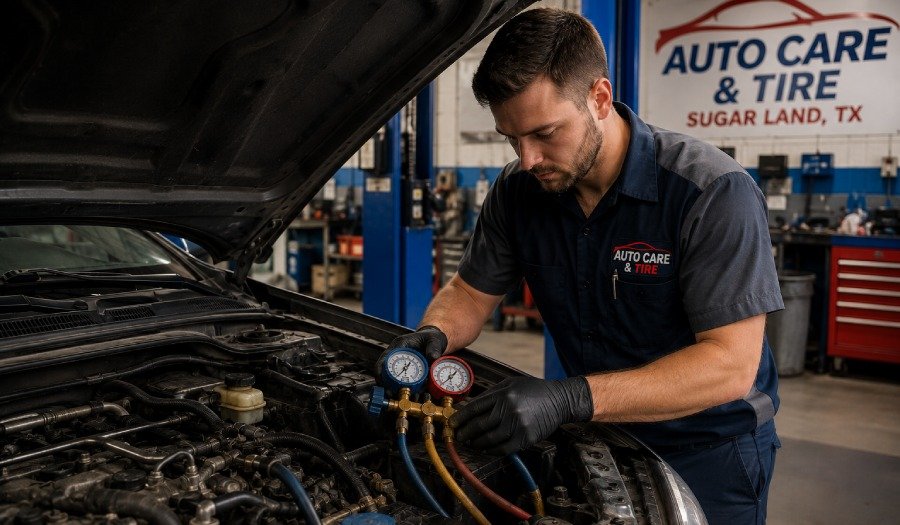
    Car AC repair technician servicing vehicle AC system in Sugar Land, TX

    Car AC Repair in Sugar Land, TX: Causes, Costs & When to Get It Fixed

    There’s nothing worse than climbing into your car on a hot Texas afternoon and realizing your air conditioning is blowing warm air instead of cold. In Sugar Land, where summer temperatures regularly climb past 95°F, a working car AC isn’t a luxury — it’s a necessity. If your car’s air conditioning has stopped cooling, started making strange noises, or simply isn’t working the way it used to, this guide will walk you through the most common causes, what to expect from repair costs, and how to find a trustworthy car AC repair shop in Sugar Land to get you back on the road in comfort.   Why Is My Car AC Not Cooling? This is one of the most common questions car owners search for, and the honest answer is that there are several possible causes. Here are the most frequent culprits behind a car AC that won’t cool properly: 1. Low or Leaking Refrigerant Refrigerant is the fluid that actually absorbs heat from your cabin air and releases it outside. Over time, small leaks can develop in hoses, seals, or connections, causing refrigerant levels to drop. Once levels fall too low, your AC simply can’t produce cold air, even though the system still runs. 2. A Failing Compressor The compressor is the heart of your AC system — it pressurizes the refrigerant and keeps it circulating. When a compressor fails or its clutch stops engaging, the whole system stops working. Compressor failure is often accompanied by loud grinding or squealing noises. 3. Clogged or Blocked Condenser The condenser sits at the front of your vehicle and releases heat from the refrigerant. Dirt, debris, and road grime can block airflow through the condenser, reducing its ability to cool the refrigerant effectively. 4. Electrical Issues Modern car AC systems rely on sensors, relays, and fuses to operate correctly. A blown fuse or a faulty pressure switch can prevent the compressor from engaging at all, even if every mechanical part is in good shape. 5. Faulty Expansion Valve or Orifice Tube This small component regulates how much refrigerant enters the evaporator. If it becomes clogged or stuck, it can cause inconsistent cooling or a complete loss of cold air. Signs Your Car AC Is Failing Catching AC problems early can save you from a more expensive repair down the road. Watch for these warning signs: Warm or weak airflow — the AC runs but doesn’t cool the cabin effectively Unusual odors — a musty or moldy smell often points to mold buildup in the evaporator or cabin filter Strange noises — clicking, grinding, or squealing when the AC is turned on usually signals a compressor or belt issue Refrigerant leaks — an oily residue or puddle under the front of the vehicle Cycling on and off rapidly — the compressor engaging and disengaging repeatedly, often due to low refrigerant or an electrical fault Foggy or humid windows — a sign the AC isn’t properly dehumidifying the cabin air If you notice any combination of these symptoms, it’s worth scheduling a diagnostic before the underlying issue gets worse — or before the compressor fails completely, which is a far more expensive repair. Car AC Recharge vs. Repair: What’s the Difference? Many drivers assume that a “recharge” and a “repair” are the same thing, but they solve very different problems. AC Recharge A recharge simply adds refrigerant back into the system to restore cooling performance. It’s quick and relatively inexpensive, but it does not fix the root cause if refrigerant is escaping through a leak. Think of it as refilling a tire that has a slow puncture — it works temporarily, but the underlying problem remains. AC Repair A full repair addresses the actual cause of the problem — replacing a leaking hose, fixing a faulty seal, repairing or replacing the compressor, or clearing a blocked condenser. While it costs more upfront, a proper repair prevents the same issue from recurring every few months. Rule of thumb: if this is the first time your AC has lost refrigerant, a recharge combined with a dye test (to detect leaks) is a reasonable first step. If you’ve needed a recharge more than once, it’s time for a full diagnostic and repair. Car AC Repair Cost Near Me: What to Expect Repair costs vary widely depending on what’s actually wrong with your system. Keep in mind these are general ranges — the exact cost depends on your vehicle’s make and model, the age of the system, and the specific parts affected. The best way to get an accurate number is a hands-on diagnostic rather than guessing based on symptoms alone. Best Car AC Repair Shop in Sugar Land, TX When your AC stops working in the Texas heat, you want a shop that diagnoses the problem correctly the first time — not one that just tops off refrigerant and sends you on your way. Here’s what to look for in a trustworthy car AC repair shop: ASE-certified technicians with AC/refrigerant handling certification Proper leak-detection equipment (electronic detectors and UV dye testing) Transparent, upfront pricing before any work begins Warranty on parts and labor Genuine or high-quality OEM-equivalent replacement parts At Auto Care & Tire in Sugar Land, our technicians perform a full system diagnostic — checking refrigerant pressure, scanning for leaks, and inspecting the compressor, condenser, and hoses — before recommending any repair. That means you get an accurate diagnosis and a fair price, not a guessing game. How to Prevent Future AC Problems A little routine maintenance goes a long way toward keeping your AC running smoothly year-round: Run your AC for a few minutes even in cooler months to keep seals lubricated Replace your cabin air filter every 12,000–15,000 miles Get your AC system inspected once a year, ideally before summer Address small leaks early rather than waiting for a full system failure Ready to Fix Your Car AC? If your car’s AC isn’t blowing cold, don’t wait for the problem to get worse. Bring

    Shopping cart close