Used Tires in Sugar Land, TX: The Complete Buyer’s Guid
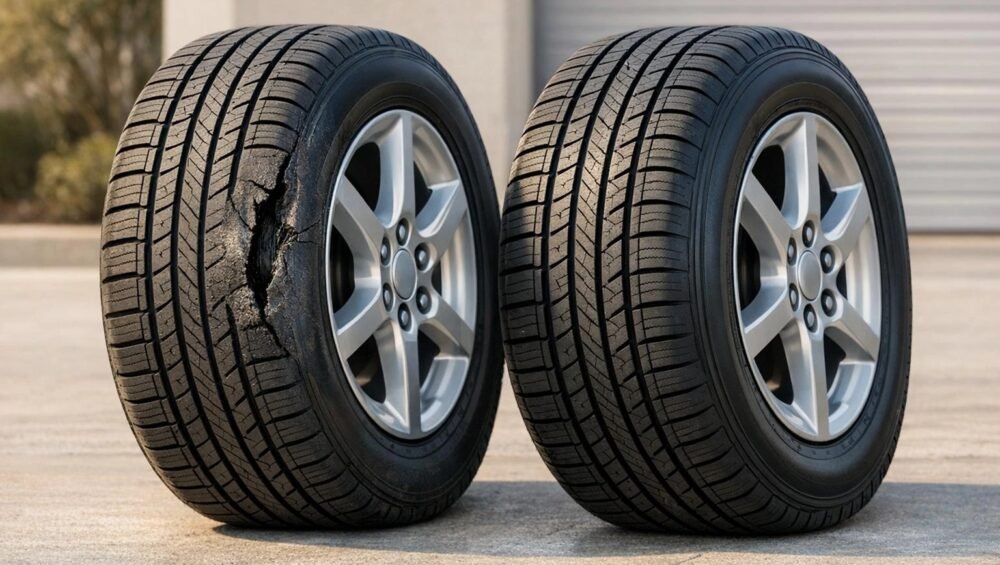
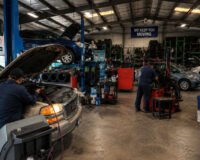
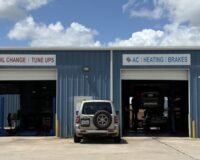
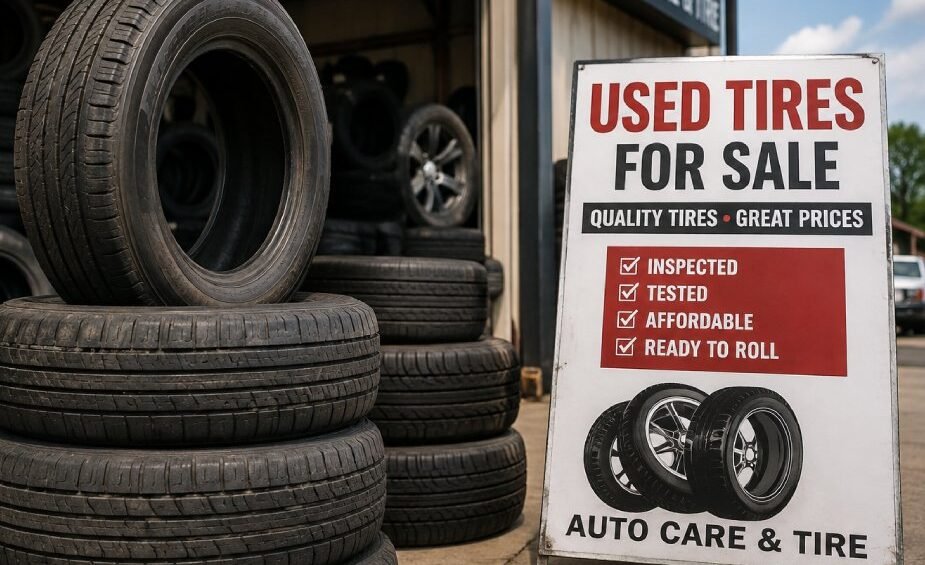
If your tires are worn down and a new set feels out of budget, you’re not alone. Plenty of drivers search for used tires Sugar Land TX to stay safe without draining their wallet — but buying secondhand isn’t as simple as grabbing whatever’s cheapest. Are Used Tires Safe to Buy? Yes, but only if you know what you’re looking at. A used tire isn’t unsafe just because it’s not new — plenty get pulled off vehicles with 60-70% of tread life remaining, maybe from a trade-in or rim upgrade, and can give thousands more safe miles for a fraction of the cost. The real risk comes from hidden damage: sidewall bulges, internal belt separation, dry rot, or tread worn past the legal limit. These aren’t always visible at a glance, which is why buying from an established shop that actually inspects its stock is safer than trusting a random online listing or unknown seller. “Used” and “unsafe” aren’t the same thing — it’s the lack of inspection, not the tire’s age, that usually causes problems. How to Inspect Used Tires Before Buying (Checklist) Run through this before committing to a purchase: Tread depth – Use a gauge or the penny test; aim for at least 5/32″. Wear pattern – Uneven wear can signal alignment issues or underinflation. Sidewalls – Check for cracks, bulges, cuts, or dry rot. DOT date code – The sidewall stamp shows the manufacture year; avoid tires older than 6-8 years. Interior check – Ask about patches or signs of a prior blowout repair. Size match – Confirm it matches your door jamb sticker. History – Ask if it came from a wrecked vehicle, lease turn-in, or trade-in. If a seller won’t let you inspect closely or dodges these questions, walk away. Where to Buy Used Tires in Sugar Land, TX Look for a shop that grades tires by condition rather than selling everything at one flat price, offers a short warranty or return window, mounts and balances on-site, and has recent reviews mentioning used tire quality specifically. If you’re shopping for used tires Sugar Land TX has several good options — independent tire shops, recycling centers, and used-tire warehouses all carry inventory, but stock changes constantly with trade-ins, so call ahead to confirm your size is available before driving over. One local option worth checking is Auto Care and Tire, which serves the Sugar Land area for used tire sales and installation. How Long Do Used Tires Actually Last? It depends on tread depth and age at purchase: 8/32″ or more – Often another 20,000-30,000 miles, depending on driving habits. 5/32″-7/32″ – Usable, but expect to replace within 10,000-15,000 miles. Below 4/32″ – Treat as a short-term fix, not a real purchase. Age matters as much as tread — a seven-year-old tire with plenty of tread can still fail from rubber degradation, so weigh both factors together. Tire Balancing vs. Alignment Balancing corrects uneven weight in the tire/wheel assembly — an imbalance shows up as vibration in the steering wheel at highway speed, fixed by attaching small weights to the wheel. Alignment adjusts wheel angles to your manufacturer’s specs; poor alignment causes pulling to one side or uneven tread wear. Balancing should happen every time a tire is mounted; alignment should be checked if you notice pulling. Skipping either shortens the life of the tire you just paid for. Used Tires vs. Retread Tires A used tire is simply a previously mounted tire, unaltered from its original state. A retread starts with a worn but structurally sound casing and gets a brand-new layer of tread bonded on — common in commercial trucking, safe when it meets DOT standards. The difference: a used tire’s tread is original and worn some amount, while a retread’s tread is new but built on a used foundation. Retreads suit trucks and trailers well; most drivers still prefer genuine used tires for daily passenger vehicles since there’s no bonding seam. Used Tires for Leased Vehicles: Is It a Good Idea? Proceed carefully. Most leases require a minimum tread depth at return (commonly 4/32″-5/32″) and tires matching the original size and rating. Check your lease’s tire condition clause before buying. Pick tread depth comfortably above the minimum, since lease-end inspectors are strict. Match size, load index, and speed rating exactly. Keep your receipt as proof in case of a dispute at turn-in. Used tires can work fine for a lease if you’re careful — cutting corners on tread depth can cost more in lease-end fees than you saved. Used Tire Pricing Guide Tire Condition Budget / low tread (3/32″-4/32″) Mid-range (5/32″-7/32″) Higher tread (8/32″+) Premium brands, good tread Expect an added 15-30 per tire for mounting, balancing, and disposal — confirm whether these are included before comparing shops. Used Tire Tread Depth Guide 10/32″ – New tire territory. 8/32″-9/32″ – Performs close to new, especially wet. 6/32″-7/32″ – Solid daily driving condition. 4/32″-5/32″ – Legally drivable but wet traction drops; start budgeting for replacement. 2/32″ – Legal minimum in most states, including Texas. Replace immediately. For used tires specifically, avoid anything under 5/32″ unless you plan to replace it again soon. Used Tire Warranty and Return Policy Ask sellers about: Road hazard coverage – Is a tire replaced or credited if it fails soon after purchase? Return window – Many shops offer 14-30 days for exchange. Warranty voids – Improper installation or accident damage typically isn’t covered. Proration – Some refunds are partial, based on remaining tread. Get any terms in writing — a shop unwilling to note this on the receipt isn’t worth relying on later. Best Tire Shop Near Sugar Land A strong pick for used tires Sugar Land TX inspects and grades tires rather than selling as-is, offers same-day mounting and balancing, has recent reviews mentioning fair pricing, and carries sizes for both passenger cars and trucks/SUVs. Cheap and Affordable Used Tires in Sugar Land Buy a matching set of four rather than mixing brands