7 How to Check Tire Pressure Properly? | Best Tire Repair Shop in Sugar Land
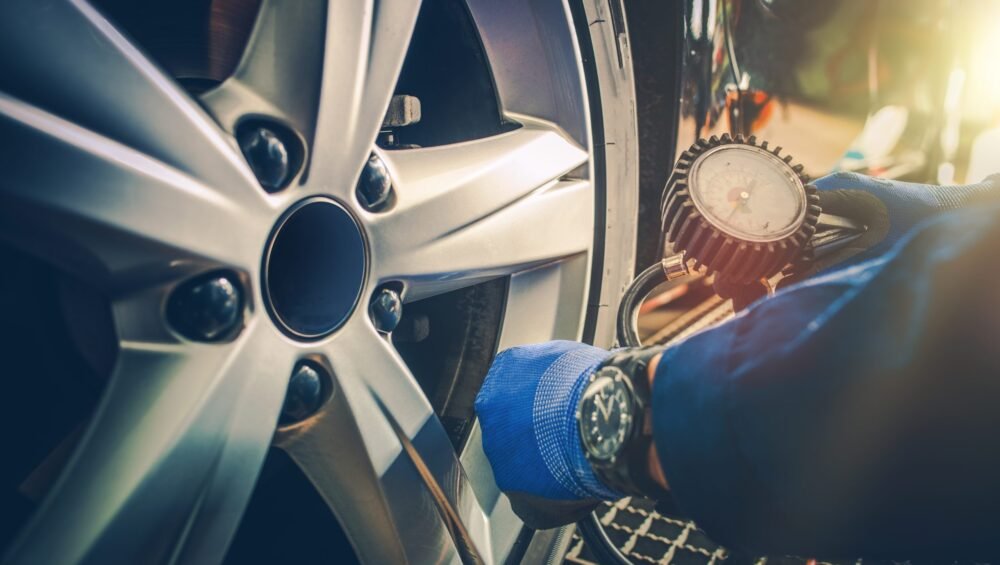
Expert Tire Safety Guide from the Best Tire Repair Shop in Sugar Land – Most drivers rarely think about how to check tire pressure until they notice a warning light, poor handling, or a flat tire. However, learning how to check tire pressure properly is one of the easiest and most important ways to improve your vehicle’s safety, fuel efficiency, tire lifespan, and overall performance. Many tire problems, uneven wear issues, and even dangerous blowouts happen simply because drivers ignore regular tire pressure checks. In this complete guide from the best tire repair shop in Sugar Land, you’ll learn exactly how to check tire pressure properly, why it matters, common mistakes to avoid, and how proper tire care can save you money while keeping you safe on the road. Why Tire Pressure Matters More Than You Think? Your tires are the only part of your vehicle that touches the road. Because of this, proper tire pressure directly affects: Vehicle safety Tire lifespan Fuel efficiency Driving comfort Braking performance Road traction Steering response Driving with incorrect tire pressure can increase the risk of: Tire blowouts Poor braking Uneven tire wear Suspension damage Reduced fuel economy At the best tire repair shop in Sugar Land, tire pressure issues are one of the most common causes of premature tire damage and unsafe driving conditions. What Happens If Tire Pressure Is Too Low? Underinflated tires may not seem dangerous at first, but they create serious long-term problems. Low tire pressure can cause: Increased rolling resistance Poor fuel efficiency Faster tread wear Tire overheating Reduced steering control When a tire doesn’t have enough air, more of the tire touches the road surface. This creates additional friction and heat buildup. In Texas heat, this becomes especially dangerous. At the best tire repair shop in Sugar Land, low tire pressure is one of the leading causes of tire blowouts during hot weather. What Happens If Tire Pressure Is Too High? Some drivers believe overinflating tires improves performance or gas mileage. In reality, excessive pressure can also create safety problems. Overinflated tires may cause: Reduced road grip Harsh driving feel Uneven center tread wear Longer stopping distances Increased vulnerability to pothole damage Too much air reduces the tire’s contact with the road, decreasing traction and stability. Proper tire pressure is all about maintaining the correct balance. How to Find the Correct Tire Pressure for Your Vehicle? One of the biggest mistakes drivers make is checking the number written on the tire sidewall. That number is NOT the recommended tire pressure for your car. The correct tire pressure is usually listed: Inside the driver-side door frame In the owner’s manual Sometimes inside the fuel door This number is measured in PSI (pounds per square inch). At the best tire repair shop in Sugar Land, we always recommend following the vehicle manufacturer’s recommended PSI for optimal performance and safety. Tools Needed to Check Tire Pressure Checking tire pressure is simple and requires only basic tools. Essential tools include: Tire pressure gauge Air compressor or air pump Portable tire inflator (optional) Digital gauges are usually easier to read and more accurate than traditional gauges. When Should You Check Tire Pressure? Timing matters when checking tire pressure. For the most accurate reading: Check tire pressure when the tires are cold. “Cold” means: The vehicle has been parked for several hours Or driven less than one mile Driving heats the tires and temporarily increases the pressure reading. At the best tire repair shop in Sugar Land, we recommend checking tire pressure early in the morning whenever possible. Step-by-Step Guide: How to Check Tire Pressure Properly? Checking tire pressure only takes a few minutes but can make a huge difference in your vehicle’s safety and performance. Step 1: Find the Recommended PSI Locate the recommended tire pressure inside the driver-side door frame or owner’s manual. Do not rely on the number printed on the tire itself. Step 2: Remove the Valve Cap Unscrew the valve cap from one tire and place it somewhere safe. Step 3: Attach the Tire Pressure Gauge Press the gauge firmly onto the valve stem. You may hear a brief hiss of air, which is normal. The gauge will display the current tire pressure. Step 4: Compare the Reading Compare the current PSI reading to the manufacturer’s recommended PSI. Step 5: Add or Release Air If the pressure is too low: ✔ Add air using an air compressor If the pressure is too high: ✔ Release small amounts of air slowly Step 6: Recheck the Pressure Always double-check the PSI after adjusting the tire pressure. Step 7: Replace the Valve Cap Secure the valve cap back onto the tire. Repeat this process for all four tires. Don’t Forget the Spare Tire Many drivers completely ignore the spare tire until an emergency happens. A flat or underinflated spare tire can become a serious problem during roadside emergencies. At the best tire repair shop in Sugar Land, we strongly recommend checking your spare tire regularly along with your main tires. How Proper Tire Pressure Saves Money? Many drivers don’t realize how much money proper tire maintenance can save. ✔ Improved Fuel Efficiency Underinflated tires create more rolling resistance, forcing your engine to work harder. This increases fuel consumption and gas expenses. ✔ Longer Tire Lifespan Correct tire pressure reduces uneven wear and helps tires last longer. ✔ Fewer Repairs Proper tire inflation reduces stress on: Suspension components Steering systems Tires themselves At the best tire repair shop in Sugar Land, regular tire maintenance helps customers avoid unnecessary repair costs. Weather Conditions Affect Tire Pressure Weather changes directly affect tire pressure. Hot Weather Heat increases tire pressure. Cold Weather Cold temperatures decrease tire pressure. Texas weather fluctuations make routine tire checks especially important. Common Tire Pressure Mistakes Drivers Make Many drivers unintentionally damage their tires through simple mistakes. Common mistakes include: Checking pressure when tires are hot Overinflating tires Ignoring seasonal weather changes Using incorrect PSI values Waiting for the