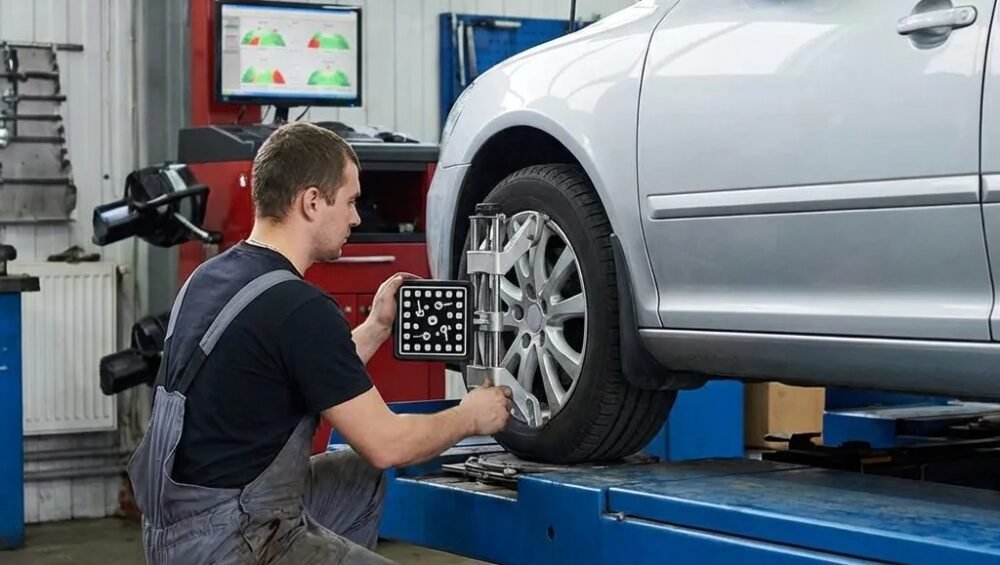
7 Warning Signs Your Car Needs a Wheel Alignment
7 Warning Signs Your Car Needs a Wheel Alignment Have you noticed your car pulling to one side, your steering wheel sitting at an unusual angle, or your tires wearing out faster than expected? These problems may seem minor at first, but they could indicate that your vehicle needs a professional wheel alignment. Discover 7 wheel alignment warning signs and find professional alignment services in Sugar Land. Proper wheel alignment is essential for maintaining driving stability, improving tire lifespan, and ensuring a comfortable driving experience. When your wheels are not aligned according to your vehicle manufacturer’s specifications, even everyday driving can become less predictable. Over time, poor alignment can also contribute to unnecessary tire wear and additional maintenance expenses. Whether you commute daily, travel with your family, or drive around Sugar Land, TX 7 Warning Signs Your Car Needs a Wheel Alignment , keeping your wheels properly aligned is an important part of vehicle maintenance. But how can you tell when your car needs an alignment? From uneven tire wear to steering wheel vibrations, your vehicle can show several warning signs when its wheel alignment is incorrect. Recognizing these symptoms early can help you avoid bigger problems and maintain better control on the road. If you are searching for a reliable Wheel alignment shop in Sugar Land, understanding these seven warning signs will help you know when it is time to schedule a professional inspection. Let’s take a closer look. What Is Wheel Alignment and Why Is It Important? Wheel alignment is the process of adjusting your vehicle’s suspension geometry so that the wheels maintain the correct angles according to manufacturer specifications. It is important to understand that wheel alignment does not simply mean adjusting the tires. Instead, technicians inspect and adjust specific suspension angles that determine how your tires make contact with the road. The three primary wheel alignment angles are: Camber: The inward or outward tilt of a tire when viewed from the front of the vehicle. Caster: The forward or backward angle of the steering axis when viewed from the side. Toe: The direction your tires point relative to each other when viewed from above. Incorrect alignment angles can affect handling, tire wear, and overall driving performance. A properly aligned vehicle can provide several benefits, including improved steering response, more consistent tire wear, better driving stability, and reduced unnecessary tire expenses. Now, let’s explore the warning signs that indicate your vehicle may need professional wheel alignment. 1. Your Car Pulls to the Left or Right While Driving – One of the most noticeable signs of poor wheel alignment is when your vehicle consistently pulls toward the left or right, even when you are trying to drive straight. For example, you may notice that your car gradually moves toward one side when travelling on a relatively straight road. You might find yourself constantly correcting the steering wheel just to keep the vehicle moving in the intended direction. This can happen when the alignment angles are outside the manufacturer’s recommended specifications. However, wheel misalignment is not the only possible cause. Uneven tire pressure, tire defects, brake problems, and road conditions can also cause a vehicle to pull to one side. Why should you take this seriously? A vehicle that consistently pulls to one side can make driving more tiring and affect your ability to maintain a predictable driving path. If you experience this problem regularly, schedule a professional inspection at a trusted wheel alignment shop. A technician can check your tires, brakes, suspension, and alignment angles to identify the actual cause. 2. Your Tires Are Wearing Unevenly – Your tires provide the only direct contact between your vehicle and the road. Their condition plays an important role in maintaining traction, handling, and driving safety. When your wheels are incorrectly aligned, your tires may not meet the road at the proper angles. This can create uneven pressure across the tire tread and cause certain areas to wear faster than others. Common tire wear patterns include: Inner-edge wear: The inside shoulder of the tire wears faster than the rest of the tread. Outer-edge wear: The outside shoulder experiences excessive wear. Feathering: Tread blocks develop a slightly sharp or smooth edge when touched across the tread. Uneven tread wear: Different sections of the tire show noticeably different wear patterns. These patterns can indicate alignment problems, although tire pressure, suspension condition, and other factors may also contribute. How does proper wheel alignment help? Correct alignment helps maintain the intended tire contact angles, supporting more even tread wear and potentially extending tire life. If you notice unusual tire wear, have your vehicle inspected before replacing your tires. Otherwise, newly installed tires may develop similar wear problems if the underlying issue remains unresolved. 3. Your Steering Wheel Is Off-Center – Have you noticed that your steering wheel does not sit straight when your vehicle is travelling forward? An off-center steering wheel is another common warning sign of possible wheel alignment problems. For example, your car may travel in a straight direction while the steering wheel remains slightly tilted to the left or right. This may indicate that the steering and alignment angles are not properly adjusted. Although a steering wheel that sits off-center can sometimes result from steering component damage or previous suspension work, incorrect alignment is a common possibility. Why does this matter? An improperly centred steering wheel can make driving uncomfortable and indicate that your vehicle’s steering geometry needs attention. A professional technician can measure the alignment angles and inspect the steering components to determine whether adjustments or repairs are necessary. If your steering wheel has recently become crooked, don’t ignore it. Getting the problem checked early can help prevent additional handling and tire wear concerns. 4. Your Steering Wheel Vibrates While Driving – Steering wheel vibrations can be uncomfortable, distracting, and sometimes indicate an underlying vehicle problem. If you notice your steering wheel shaking while driving, especially at certain speeds, it is worth arranging a professional inspection. Several issues can contribute to