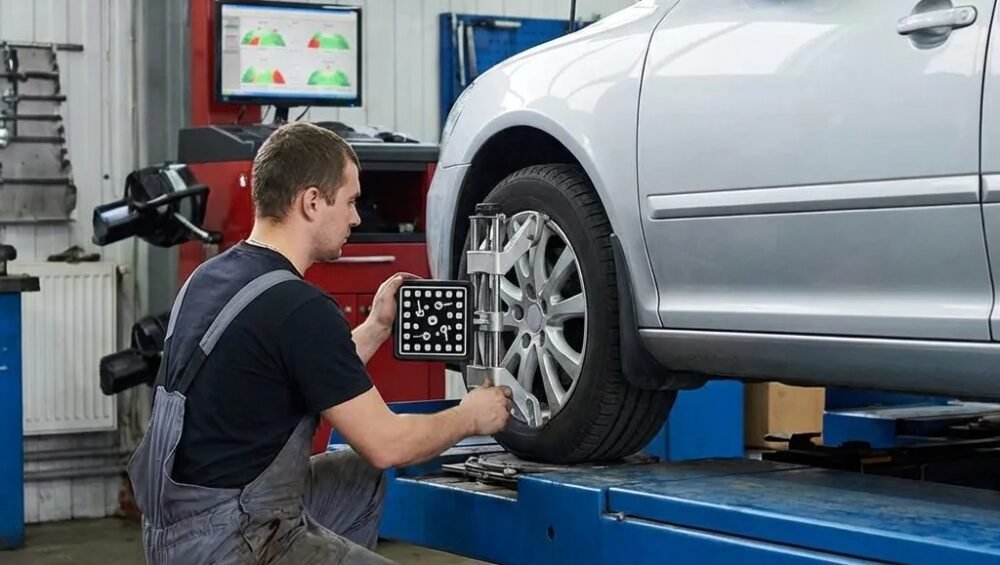
7 Warning Signs Your Car Needs a Wheel Alignment

Whether you commute daily, travel with your family, or drive around Sugar Land, TX 7 Warning Signs Your Car Needs a Wheel Alignment , keeping your wheels properly aligned is an important part of vehicle maintenance.
But how can you tell when your car needs an alignment?
From uneven tire wear to steering wheel vibrations, your vehicle can show several warning signs when its wheel alignment is incorrect. Recognizing these symptoms early can help you avoid bigger problems and maintain better control on the road.
If you are searching for a reliable Wheel alignment shop in Sugar Land, understanding these seven warning signs will help you know when it is time to schedule a professional inspection.
Let’s take a closer look.
What Is Wheel Alignment and Why Is It Important?
The three primary wheel alignment angles are:
Camber: The inward or outward tilt of a tire when viewed from the front of the vehicle.
Caster: The forward or backward angle of the steering axis when viewed from the side.
Toe: The direction your tires point relative to each other when viewed from above.
Now, let’s explore the warning signs that indicate your vehicle may need professional wheel alignment.
1. Your Car Pulls to the Left or Right While Driving – One of the most noticeable signs of poor wheel alignment is when your vehicle consistently pulls toward the left or right, even when you are trying to drive straight. For example, you may notice that your car gradually moves toward one side when travelling on a relatively straight road. You might find yourself constantly correcting the steering wheel just to keep the vehicle moving in the intended direction.
This can happen when the alignment angles are outside the manufacturer’s recommended specifications. However, wheel misalignment is not the only possible cause. Uneven tire pressure, tire defects, brake problems, and road conditions can also cause a vehicle to pull to one side.

Why should you take this seriously?
2. Your Tires Are Wearing Unevenly – Your tires provide the only direct contact between your vehicle and the road. Their condition plays an important role in maintaining traction, handling, and driving safety. When your wheels are incorrectly aligned, your tires may not meet the road at the proper angles. This can create uneven pressure across the tire tread and cause certain areas to wear faster than others.
Common tire wear patterns include:
Inner-edge wear: The inside shoulder of the tire wears faster than the rest of the tread.
Outer-edge wear: The outside shoulder experiences excessive wear.
Feathering: Tread blocks develop a slightly sharp or smooth edge when touched across the tread.
Uneven tread wear: Different sections of the tire show noticeably different wear patterns. These patterns can indicate alignment problems, although tire pressure, suspension condition, and other factors may also contribute.
How does proper wheel alignment help?
3. Your Steering Wheel Is Off-Center – Have you noticed that your steering wheel does not sit straight when your vehicle is travelling forward? An off-center steering wheel is another common warning sign of possible wheel alignment problems. For example, your car may travel in a straight direction while the steering wheel remains slightly tilted to the left or right.
This may indicate that the steering and alignment angles are not properly adjusted. Although a steering wheel that sits off-center can sometimes result from steering component damage or previous suspension work, incorrect alignment is a common possibility.
Why does this matter?
4. Your Steering Wheel Vibrates While Driving – Steering wheel vibrations can be uncomfortable, distracting, and sometimes indicate an underlying vehicle problem. If you notice your steering wheel shaking while driving, especially at certain speeds, it is worth arranging a professional inspection.
Several issues can contribute to steering wheel vibrations, including:
Incorrect wheel balancing
Tire damage or uneven tire wear
Bent wheels or rims
Worn suspension components
Loose steering components
Wheel alignment problems
If your steering wheel frequently vibrates, visit an experienced automotive repair technician for a complete tire, wheel, steering, and suspension evaluation.
5. Your Tires Make Unusual Noise While Driving – Unusual tire noise is another symptom that should not be overlooked. When your wheels are improperly aligned, tires may experience uneven contact with the road surface. This can contribute to irregular tread wear, which may produce humming, buzzing, or other unusual road noises.
You may notice these sounds becoming more noticeable as your vehicle travels at higher speeds. However, tire noise can also result from:
Worn or damaged tires
Uneven tread patterns
Wheel bearing problems
Incorrect tire pressure
Road surface conditions
6. Your Vehicle Feels Unstable or Difficult to Control – Your vehicle should feel predictable when accelerating, turning, and driving on straight roads. If your car feels unstable, wanders across the lane, or requires frequent steering corrections, it may have an alignment, tire, or suspension-related problem. Some drivers notice these symptoms more clearly when travelling at highway speeds.
Possible causes include:
Incorrect toe, camber, or caster settings
Worn suspension components
Damaged steering parts
Uneven tire wear
Improper tire pressure
7. Your Vehicle Recently Hit a Pothole or Curb – You don’t always need to notice a driving problem before your vehicle requires a wheel alignment inspection. Sometimes, a sudden impact is enough to change your vehicle’s alignment settings or damage suspension components. Common situations that may affect wheel alignment include:
Hitting a deep pothole
Striking a curb while parking
Driving over road debris
Experiencing a significant impact
Replacing certain steering or suspension components
What should you do after hitting a pothole?
How Often Should You Get a Wheel Alignment?
When you notice uneven tire wear.
If your vehicle consistently pulls to one side.
After hitting a significant pothole or curb.
Following certain steering or suspension repairs.
When installing new tires, especially if existing symptoms suggest misalignment.
During routine vehicle maintenance when recommended by your technician.
Wheel Alignment vs. Wheel Balancing: What’s the Difference?
Wheel Alignment: Adjusts suspension geometry to ensure that the wheels are positioned according to manufacturer specifications. It helps address problems such as uneven tire wear, vehicle pulling, and an off-center steering wheel. Wheel Balancing: Corrects uneven weight distribution in a wheel-and-tire assembly. It helps reduce vibrations, particularly at higher driving speeds.
Depending on your vehicle’s symptoms, you may need one or both services. A professional inspection can help determine which service is appropriate for your vehicle.

How to Choose the Best Wheel Alignment Shop in Sugar Land?
1. Professional Diagnostic Equipment – Look for a shop that uses appropriate wheel alignment equipment to measure your vehicle’s alignment angles accurately.
2. Experienced Automotive Technicians – Qualified technicians should understand different vehicle suspension systems and know how to identify related steering or tire problems.
3. Transparent Service Recommendations – A dependable repair facility should explain the inspection results, identify necessary adjustments, and discuss any additional repairs before performing the work.
4. Comprehensive Automotive Services – Choosing a repair facility that also handles tire, brake, steering, and suspension services can make vehicle maintenance more convenient.
5. Positive Customer Feedback – Read genuine customer reviews to understand the shop’s service quality, communication, and overall customer experience. If you are also searching for the Best auto repair shop in Sugar Land, prioritise a business that focuses on reliable diagnostics, professional service, and customer satisfaction. The right repair partner can help keep your vehicle properly maintained and ready for everyday driving.
Frequently Asked Questions About Wheel Alignment
The most common signs include your vehicle pulling to one side, uneven tire wear, an off-center steering wheel, steering vibrations, unusual tire noise, unstable handling, and alignment problems after hitting a pothole or curb.
2. How much does a wheel alignment cost in Sugar Land, TX?
Wheel alignment costs vary depending on your vehicle type, alignment requirements, and repair facility. Two-wheel and four-wheel alignment services may have different prices. Contact a local wheel alignment shop for an accurate estimate.
3. How long does a wheel alignment take?
A standard wheel alignment typically takes around 30 to 60 minutes, although the actual time depends on the vehicle, alignment requirements, and whether additional repairs are necessary.
4. Can bad wheel alignment damage my tires?
Yes. Incorrect alignment angles can cause uneven and accelerated tire tread wear. If the problem continues, your tires may need replacement sooner than expected.
5. Is wheel alignment necessary after replacing tires?
Installing new tires does not automatically mean an alignment adjustment is required. However, checking alignment is recommended when there are signs of misalignment, uneven wear, or steering problems. Correcting existing alignment issues can help protect your new tires.
6. What happens if I continue driving with bad wheel alignment?
Driving with incorrect wheel alignment can contribute to uneven tire wear, reduced handling consistency, and increased tire replacement expenses. Severe steering or suspension problems can also affect vehicle safety.
7. Is wheel alignment the same as wheel balancing?
No. Wheel alignment adjusts suspension angles, while wheel balancing corrects uneven weight distribution in the wheel-and-tire assembly. Both services can help improve driving comfort, but they address different issues.
Keep Your Vehicle Driving Straight – Schedule Your Wheel Alignment Today!
Ignoring alignment problems can contribute to unnecessary tire wear, uncomfortable driving, and additional maintenance expenses. Whether you need an alignment inspection, tire maintenance, or other automotive services, choosing a dependable local repair provider is an important step toward keeping your vehicle in excellent condition.
If you are looking for a trusted Wheel alignment shop in Sugar Land, consider Affordable Auto Care and Tires for your vehicle maintenance needs. Don’t wait until uneven tire wear forces you to replace your tires. Take action today, schedule your wheel alignment inspection, and enjoy a smoother, more confident driving experience.

Your safety, your tires, and your vehicle deserve professional care with our 7 Warning Signs Your Car Needs a Wheel Alignment !