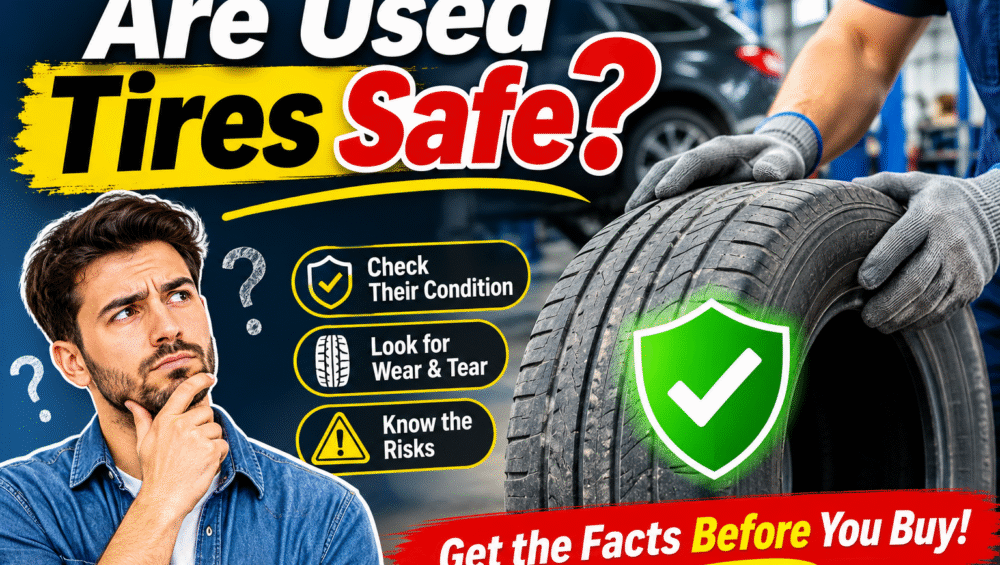
Are Used Tires Safe?
Question is that, Are Used Tires Safe? Buying new tires can be expensive, especially when you need to replace one or more tires unexpectedly. Whether you have noticed worn-out tread, experienced a flat tire, or simply need a more affordable replacement, used tires may seem like an attractive option. But there is one important question every driver should ask before making a purchase: Are used tires safe?
The answer is that some used tires may be suitable for continued use, but others can have hidden damage that makes them dangerous. Question Again that, Are Used Tires Safe? A tire may look perfectly fine from the outside while having internal structural problems, previous damage, or an unsafe repair. That is why choosing the right tire shop matters. If you are searching for the best tire repair shop in Sugar Land, it is important to find a professional team that understands tire safety, carefully evaluates tire condition, and helps you choose the right replacement for your vehicle.
At Affordable Auto Care & Tires, we understand that drivers want affordable tire solutions without compromising safety. In this guide, we explain when used tires may be appropriate, what warning signs to look for, how to inspect a used tire, and how to make a smarter tire-buying decision.
Are Used Tires Safe? – Affordable Auto Care & Tire
Used tires can be suitable for some vehicles if they are carefully selected, professionally inspected, compatible with the vehicle, and free from unsafe damage. However, not every used tire is safe to install. Unlike a new tire, a used tire has a previous history. It may have been driven on rough roads, exposed to excessive heat, operated under incorrect air pressure, repaired improperly, or stored in unsuitable conditions.
Some of these problems are difficult to identify through a simple visual inspection.
The U.S. Tire Manufacturers Association (USTMA) warns that used tires can have hidden damage and recommends against installing used tires with certain unsafe conditions, including internal damage, bead damage, bulges, exposed tire material, and punctures or other penetrations. This means you should never purchase a used tire based only on its appearance or remaining tread. A professional inspection is essential before installation.
Why Do Drivers Buy Used Tires?
Used tires are popular among budget-conscious drivers because they can offer a lower initial purchase price than new tires. For example, if one tire becomes damaged unexpectedly, a used replacement may appear to be a more affordable way to get the vehicle back on the road.
Here are some reasons drivers consider used tires:
1. Lower Initial Cost – One of the biggest advantages of used tires is their potentially lower purchase price. Drivers who are working with a limited budget may find them more accessible than buying a complete set of new tires.
2. Temporary Replacement Option – Depending on the tire’s condition and suitability, a used tire may be considered when a driver needs a replacement while managing immediate expenses. It should not be treated as a safe temporary solution unless a qualified professional confirms that it is suitable for use.
3. More Affordable Tire Choices – Some tire shops offer different used tire sizes and brands, giving customers additional options based on their vehicle and budget.
4. Less Immediate Spending – If a vehicle needs replacement tires sooner than expected, a suitable used tire may reduce the immediate financial burden. However, the lowest price should never be the only deciding factor. A damaged or unsuitable tire can create safety risks and additional expenses. The smartest purchase is not simply the cheapest tire. It is a tire that is appropriate for your vehicle and safe for the road.
9 Things to Check Before Buying Used Tires
If you are considering used tires, there are several important factors to evaluate before allowing them to be installed.
1. Check the Tire Tread Depth – Tread depth is one of the most important indicators of tire condition. Tire tread creates the grip needed to maintain traction on the road. It helps channel water away from the contact area, supporting vehicle control in wet conditions. As the tread wears down, a tire’s ability to maintain traction can decrease, particularly on wet roads.
In the United States, tires should be replaced when tread depth reaches 2/32 of an inch. This is the commonly recognised minimum replacement threshold.However, just because a used tire has slightly more than 2/32 of an inch remaining does not automatically make it a good purchase. A tire with very little tread remaining may need replacement soon.
Before purchasing, ask the tire professional to measure tread depth at multiple points across the tire. Check for:
Uneven tread depth.
Excessive wear on the inner or outer edges.
Bald areas.
Unusually smooth sections.
Visible tread separation.
Treadwear indicators that are level with the tread surface.
Pro tip: Do not judge a used tire by looking at its tread from a distance. Ask for an actual tread-depth measurement.
2. Inspect the Sidewalls for Cracks, Cuts, and Bulges – The sidewall is an important structural part of a tire. It flexes as the tire rotates and supports the vehicle under changing driving conditions. Damage to this area can compromise tire integrity.
Before purchasing a used tire, look carefully for:
Visible cracks.
Deep cuts.
Bulges or bubbles.
Exposed cords or body material.
Impact damage.
Unusual deformation.
Signs of deterioration from aging.
A bulge in the sidewall can indicate internal structural damage. A tire with this condition should not be installed. Likewise, significant cracks or cuts may indicate that the tire is no longer suitable for safe driving. If you notice any of these warning signs, ask a qualified tire technician to evaluate the tire. Do not assume that a tire is safe simply because it holds air.
3. Check the Tire’s Age and Manufacturing Date – Tires do not remain in the same condition forever. Even when a tire has sufficient tread, aging can affect its rubber compounds and structural integrity. To check the manufacturing date, locate the Department of Transportation (DOT) identification number on the tire sidewall.
The final four digits indicate the manufacturing week and year. For example:
2523 means the tire was manufactured during the 25th week of 2023.
4019 means the tire was manufactured during the 40th week of 2019.
A tire’s manufacturing date is useful information, but it does not tell you everything about its condition. Storage conditions, heat exposure, maintenance history, and previous use can all affect tire safety.
There is no single manufacturing age that automatically makes every tire safe or unsafe. Follow the tire manufacturer’s recommendations for inspection and replacement, and ask a qualified professional to assess older tires carefully. When purchasing used tires, avoid relying on tread depth alone. Always consider the tire’s age and overall condition.
4. Ask About Previous Repairs and Punctures – A used tire may have been repaired before it reached the shop. Some repairs may meet accepted industry procedures, while others may be improper or unsafe.
The USTMA recommends that passenger and light-truck replacement tires with previous punctures or other penetrations not be installed as used tires. This recommendation is intended to address the unknown history and potential risks associated with used tires. For tires already installed on a vehicle, a repair may be possible in certain circumstances. However, proper repair procedures are different from simply purchasing a previously repaired tire.
If you are buying a used tire, ask:
Has the tire previously been punctured?
Has it been repaired?
Was it operated while underinflated?
Has it experienced an impact?
Has it been inspected internally?
Never assume that a visible plug or patch means the tire is safe. If the tire’s repair history is uncertain, ask the shop to explain its inspection process and whether the tire meets applicable safety recommendations.
5. Make Sure There Is No Hidden Internal Damage – One of the biggest risks associated with used tires is damage that cannot be seen from the outside. A tire may look acceptable externally but have internal damage caused by driving while underinflated, carrying excessive loads, hitting road hazards, or previous improper repairs.
Possible warning signs include:
Inner liner damage.
Bead damage.
Signs of internal separation.
Irregular wear patterns.
Evidence of excessive heat.
Damage associated with run-flat operation.
Exposed internal tire materials.
The USTMA emphasises that certain damage can only be identified through a proper internal inspection. For this reason, a professional inspection should go beyond checking the outside of the tire. A qualified tire professional can determine whether a tire has conditions that make it unsuitable for installation.
6. Check for Uneven Wear – Uneven tread wear can reveal problems with a tire’s previous use or the vehicle it was installed on. For example:
Excessive inner-edge wear may indicate alignment or suspension problems.
Outer-edge wear may be associated with incorrect inflation or alignment.
Center wear can be associated with over inflation.
Feathering or irregular wear may indicate alignment or suspension concerns.
Cupping may indicate possible suspension, balance, or other mechanical issues.
Uneven wear is not simply a cosmetic problem. It can affect handling, traction, and the remaining useful life of the tire.
Before buying, inspect the entire tread surface rather than checking only the most visible area. A tire professional should also explain whether the wear pattern suggests an underlying issue that needs attention.
7. Confirm the Tire Size and Specifications – A used tire may have excellent tread and appear to be in good condition, but that does not mean it is compatible with your vehicle. Every vehicle has specific tire requirements. Before purchasing a replacement, check:
Tire width.
Aspect ratio.
Rim diameter.
Load index.
Speed rating.
Tire type and construction.
Manufacturer recommendations.
You can usually find the recommended tire specifications on the driver’s side door-jamb label and in the owner’s manual. Installing the wrong tire size or an unsuitable specification can affect handling, braking, vehicle clearance, and overall performance.
If your vehicle uses an all-wheel-drive system, tire circumference differences can also create problems for the drive train. Follow the manufacturer’s recommendations regarding matching tires and allowable tread-depth differences. A professional tire shop can help identify the correct tire specifications for your vehicle.
8. Check Whether the Tire Has Been Recalled – Before buying a used tire, it is worth checking its identification information and whether it is affected by a safety recall. The DOT identification number helps identify a tire’s manufacturer and production details. If you have concerns about a tire’s history, ask the seller for the complete identification information and check relevant recall information through official resources.
Never purchase a tire with missing or deliberately defaced identification information without understanding the reason and its implications.
9. Make Sure the Tire Is Professionally Mounted and Balanced – Even a suitable tire must be installed correctly. Improper mounting or balancing can create vibration, uneven wear, handling concerns, and other problems.
A professional installation should include:
Checking wheel and tire compatibility.
Inspecting the wheel before mounting.
Proper mounting procedures.
Correct inflation pressure.
Wheel balancing.
Checking for air leaks.
Confirming appropriate installation.
After installation, monitor the tire’s pressure and condition regularly.
If you notice vibration, air loss, unusual noises, or pulling while driving, arrange an inspection promptly.
What Are the Biggest Risks of Buying Unsafe Used Tires?
Buying an unsuitable used tire may save money initially, but the consequences can be serious. Here are some potential risks:
Reduced Wet-Road Traction
Worn tread can reduce a tire’s ability to channel water away from the contact area, increasing the risk of losing traction on wet roads.
Sudden Tire Failure
Internal structural damage, sidewall damage, or improper previous repairs can contribute to tire failure.
Poor Vehicle Handling
Uneven wear, incompatible tire specifications, or improper installation may affect steering response and vehicle stability.
Increased Replacement Costs
A tire with very little remaining tread may need replacement sooner than expected, reducing the value of the purchase.
Additional Vehicle Problems
Incorrect tire size, unsuitable specifications, or improper balancing can contribute to handling and vehicle-performance concerns.
These risks explain why professional inspection is essential when considering used tires.
When Should You Consider Used Tires?
Used tires may be worth considering when:
Your budget is limited.
The tire has been carefully evaluated.
It meets your vehicle’s specifications.
It has adequate tread remaining.
It has no unacceptable damage or unsafe conditions.
A qualified tire professional approves it for installation.
When Should You Choose New Tires Instead?
New tires are generally the better choice when:
You want a fresh set with full original tread.
Your vehicle requires a specific tire model or specification.
Available used tires have questionable histories.
Used tires show damage, aging, or uneven wear.
You need a longer-term replacement solution.
If you are uncertain, ask a tire professional to compare the available options and explain their advantages, limitations, and costs.
How to Find the Best Tire Repair Shop in Sugar Land, TX?
Choosing a tire shop is just as important as choosing the tire itself. If you are searching for the best tire repair shop in Sugar Land, look for a business that prioritises safety, honest recommendations, proper installation, and clear pricing.
Here are some qualities to consider:
1. Professional Tire Inspection: The shop should evaluate tread depth, sidewalls, visible damage, wear patterns, and other relevant safety conditions.
2. Honest Recommendations: A reliable tire professional should explain whether a used tire is suitable or whether replacement with a new tire is the safer option.
3. Proper Installation Equipment: Professional mounting and balancing equipment help ensure the tire is installed correctly.
4. Transparent Pricing: Ask for a clear explanation of tire prices, installation charges, balancing, and any additional fees.
5. Suitable Tire Selection: The shop should help you find tires that match your vehicle’s specifications and driving requirements.
6. Customer-Focused Service: Choose a shop where your questions are answered clearly and you are not pressured into unnecessary purchases.
A dependable tire shop should never prioritise selling a tire over explaining whether it is appropriate for your vehicle.
Why Choose Affordable Auto Care & Tires for Used Tires in Sugar Land?
Finding affordable tires should not mean compromising on your safety. At Affordable Auto Care & Tires, we understand that drivers need practical tire solutions that fit their vehicles and budgets. Our business offers new and used tire options in Sugar Land, TX, with a focus on helping customers find suitable products and professional automotive service.
Here is what customers can expect when discussing used tire options with our team:
Carefully Selected Used Tires
Our website describes our used tires as carefully selected from trusted sources, with attention to tread condition, overall quality, and performance.
Tire Fitting and Balancing
We offer tire fitting and balancing services to help ensure appropriate installation and a smoother driving experience.
Affordable Tire Options
We understand that every driver has a different budget. Our team can help you explore available tire choices and understand the differences between them.
Professional Automotive Service
Beyond tire services, we provide a range of automotive services, including brake service, oil changes, AC services, battery services, suspension work, and diagnostics.
Local and Family-Owned Business
Affordable Auto Care & Tires is a family-owned automotive service business serving Sugar Land and surrounding communities.
Our goal is to make vehicle care easier through helpful communication and practical service recommendations.
Important: Used tires are not automatically safe simply because they have been selected or inspected. Every tire must be evaluated individually, and any tire with unsafe damage or questionable condition should be rejected.
Frequently Asked Questions (FAQ) About Used Tires
1. Are used tires safe to drive on?
Used tires may be suitable for driving if they meet vehicle requirements and have been professionally inspected for tread condition, age, structural damage, and other safety concerns. However, tires with unsafe damage, internal separation, bulges, or other unacceptable conditions should not be installed.
2. How much tread should a used tire have?
In the United States, tires should be replaced when tread depth reaches 2/32 of an inch. However, a used tire with only slightly more tread may have limited remaining service life. Ask a tire professional to measure tread depth and evaluate overall condition before purchasing.
3. How can I tell if a used tire is too old?
Check the DOT identification number on the sidewall. Its final four digits indicate the manufacturing week and year. However, manufacturing date alone does not determine whether a tire is safe. Storage, maintenance, exposure, and physical condition also matter. Follow the tire manufacturer’s recommendations.
4. Can a used tire have a previous repair?
Yes, a used tire may have been repaired previously. However, the USTMA recommends against installing used passenger and light-truck tires with previous punctures or other penetrations. A qualified professional should assess any tire with a questionable repair history.
5. Are used tires good for long-distance driving?
That depends on the tire’s condition, specifications, and remaining service life. A used tire with uncertain history or inadequate tread should not be used for long-distance driving. Have the tire professionally inspected before relying on it.
6. Are used tires cheaper than new tires?
Used tires generally have a lower initial purchase price. However, the actual value depends on their condition, remaining tread, age, suitability, and installation cost. A tire with limited remaining life may not provide good long-term value.
7. Where can I buy used tires in Sugar Land, TX?
Drivers can contact Affordable Auto Care & Tires in Sugar Land to ask about available used tire options, suitable sizes, tire condition, and installation services.
8. Should I replace all four tires at the same time?
Not every vehicle requires all four tires to be replaced together. The correct approach depends on the vehicle’s drivetrain, tire condition, manufacturer recommendations, and allowable differences in tread depth. All-wheel-drive vehicles may have specific tire-matching requirements. Consult your owner’s manual or a qualified tire professional.
9. What should I check before buying used tires?
Check tread depth, manufacturing date, sidewall condition, visible damage, wear patterns, tire specifications, and identification information. Ask about previous repairs and request a professional inspection that includes the tire’s internal condition.
10. How do I find the best tire repair shop in Sugar Land?
Compare customer reviews, inspection practices, installation equipment, tire options, pricing transparency, and service quality. Choose a shop that explains tire condition honestly and recommends products appropriate for your vehicle.
Get Affordable Tire Solutions in Sugar Land, TX
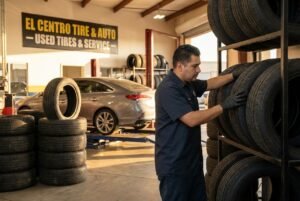
A low price or good-looking tread is never enough to guarantee that a used tire is safe. Before purchasing, take time to check its tread depth, manufacturing date, sidewall condition, wear pattern, previous repair history, and vehicle compatibility. Most importantly, have it evaluated by a qualified tire professional.
If you are looking for affordable used tires or professional tire services, Affordable Auto Care & Tires is ready to help. We serve drivers in Sugar Land, TX, with new and used tire options and a range of automotive maintenance and repair services.
Address: 13510 West Bellfort Ave, Sugar Land, TX 77498
Phone: 713-219-9472
Website: https://autocareandtire.com/
Contact our team or Book Online to ask about available used tires, confirm the correct size for your vehicle, and discuss professional tire installation. Choose your tires carefully. Protect your vehicle. Put safety first on every journey.