Autocareandtire

Call us

713-219-9472‬

Mon-Fri 8am-6pm

Saturday 8am-2pm

Auto Care & Tire

Schedule an online appointment

    car AC not blowing cold air

    Why is my car AC not blowing cold air? Most Common Issues

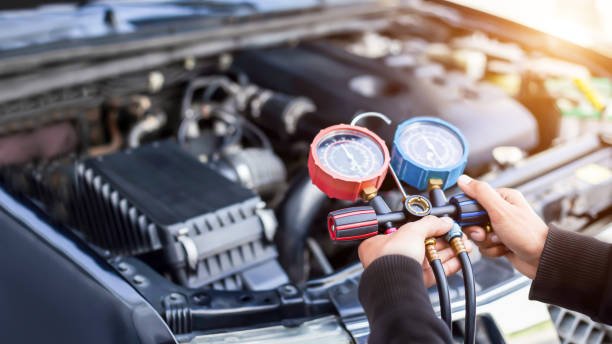
    A car AC not blowing cold air is one of the most frustrating summer problems a driver can face — you turn on the AC, hear the familiar click, feel the fan kick on, and still get hit with a wave of warm air. In a Texas summer, that’s not just inconvenient, it’s unbearable. The frustrating part is that a car AC not blowing cold air can have several different causes — and they all feel exactly the same from the driver’s seat. Without knowing what to look for, it’s easy to waste money on a refrigerant recharge that doesn’t fix the real problem, or panic about a compressor replacement you don’t actually need. The good news is that most AC failures follow clear, recognizable patterns. This guide walks you through all 7 of them — what causes each one, how to spot it, and what it takes to fix it. What you’ll learn: The 7 most common AC cooling failures and their symptoms How to tell which cause is affecting your specific car Which problems you can address yourself and which need a professional When to bring your vehicle to a trusted shop for an AC performance check 7 most common reasons that your car AC not blowing cold air 1. Low or Leaking Refrigerant Low refrigerant is the most commonly suspected reason behind a car AC not blowing cold air — and for good reason. Refrigerant is the chemical your AC system relies on to produce cold air. When the level drops due to a leak, cooling efficiency drops with it until the system stops working altogether. Unlike engine oil, refrigerant doesn’t get consumed during normal use. If your system is low, there’s a leak somewhere. Simply topping it off without finding and fixing that leak is a temporary fix at best. Signs your refrigerant may be low: Air from the vents is slightly cool but never truly cold The AC compressor clicks on and off rapidly Oily or greasy residue visible around AC line connections under the hood What to do: A professional AC performance check — like the one offered at Affordable Auto Care & Tire’s Car AC Repair Service — uses specialized gauges to measure system pressure and UV dye to pinpoint the exact leak location. This is the only reliable way to know for certain how low your refrigerant is and where it’s escaping. PRO TIPS: If you see oily residue around AC hose fittings or near the compressor, that’s often refrigerant oil left behind by a slow leak — a clear sign the system needs professional attention. 2. Compressor Clutch Not Engaging The AC compressor is the heart of the system. It pressurizes the refrigerant and drives the entire cooling cycle. But it doesn’t run continuously — it engages and disengages through a magnetic clutch on its front face. When that clutch fails to engage, no cooling happens, even if the refrigerant level is perfect. This is one of the trickiest causes to self-diagnose because the symptoms — warm air despite the fan running — look identical to low refrigerant. How to check it yourself: Start the car and turn the AC on max with the coldest temperature setting. Open the hood and locate the AC compressor — it’s a pulley-driven component on the front of the engine, connected to the serpentine belt. The outer ring of the clutch always spins with the belt. The inner hub should also be spinning when the AC is active. If only the outer ring turns, the clutch is not engaging. Listen for a distinct click when you switch the AC on. No click usually means no engagement. Common causes include a blown AC fuse, critically low refrigerant pressure (the system locks out the compressor to protect it), a failed clutch coil, or a bad AC pressure switch. PRO TIPS: Before assuming the compressor needs replacement, check the AC fuse in your fuse box. It’s a $1 fix that gets overlooked constantly. 3. Clogged or Dirty Condenser The condenser sits at the very front of your car — just in front of the radiator — and releases heat from the refrigerant as it passes through. Think of it as your AC system’s exhaust. When it gets clogged with bugs, road debris, leaves, or cottonwood seeds (very common in Texas springs), it can’t shed heat properly, and the whole system struggles. How to spot it: Look through the front grille with a flashlight. If the thin aluminum fins of the condenser appear dark, matted, or packed with debris, restricted airflow is likely hurting your AC performance. How to fix it: A gentle rinse with a garden hose from the engine side outward clears most blockages. Never use a pressure washer directly on the condenser — the delicate aluminum fins bend easily, and a damaged fin field is much harder to correct than a dirty one. If the fins are physically bent or the condenser is damaged from road debris, professional repair or replacement is the right call. Reduced condenser efficiency also stresses your auto cooling system as a whole, so catching it early matters. 4. Blocked Cabin Air Filter The cabin air filter cleans the air entering your car through the vents. When it’s severely clogged, airflow becomes so restricted that even a fully functioning AC system cannot push enough cold air into the cabin to make a noticeable difference. It’s one of the most overlooked parts on most vehicles — and one of the cheapest to fix. Most manufacturers recommend replacing the cabin air filter every 15,000–25,000 miles, but in high-pollen or dusty areas like Sugar Land and the greater Houston region, more frequent replacement is often necessary. How to check it: Locate the cabin air filter (typically behind the glove box or under the dashboard — check your owner’s manual), remove it, and inspect it visually. A heavily clogged filter is gray or brown, packed with dust, and may contain leaves or debris. If yours

    Power Steering

    Power Steering: How It Works, Common Problems, and Maintenance Tips of

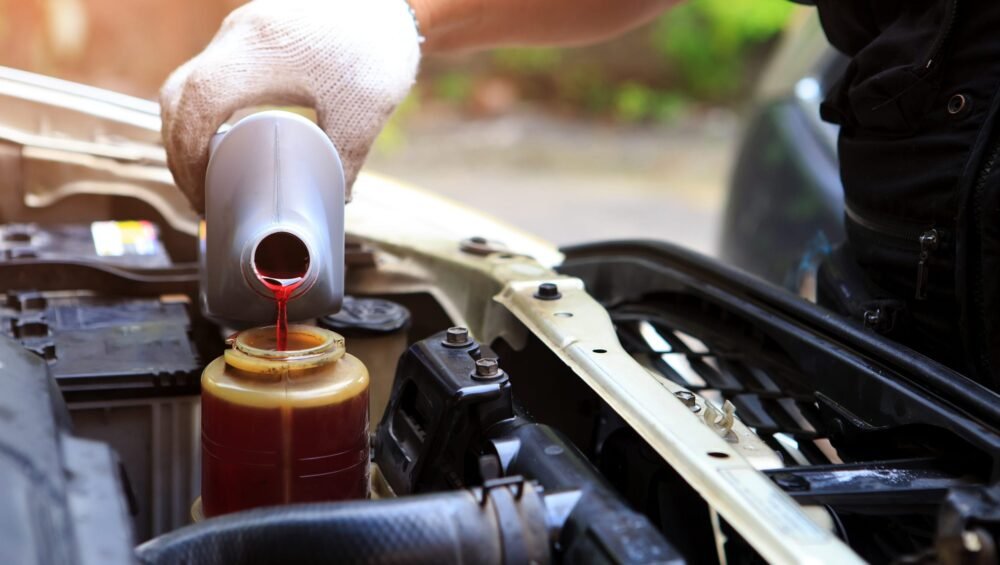
    Power steering is an essential automotive system that allows drivers to turn the steering wheel with minimal effort. Whether you’re navigating tight parking spaces or cruising on the highway, power steering ensures smooth and precise control of your vehicle. Without it, steering would require significant physical strength, especially at low speeds. In this comprehensive guide, we’ll explore what power steering is, how it works, common problems, maintenance tips, and why regular servicing is crucial for your vehicle’s safety and performance.     What Is Power Steering? Power steering is a system designed to reduce the effort required to steer a vehicle. It uses either hydraulic or electric components to assist the driver in turning the wheels. Modern vehicles primarily use two types of power steering systems: Both systems aim to improve driver comfort and enhance vehicle control, but they operate differently. How Hydraulic Power Steering Works Hydraulic power steering uses a pump powered by the engine to circulate power steering fluid under pressure. When the driver turns the steering wheel, the system directs the fluid to help move the steering rack, making it easier to turn the wheels. Key components include: Hydraulic systems are known for their reliability and strong steering feel, but they require regular fluid checks and maintenance. How Electric Power Steering Works Electric Power Steering (EPS) uses an electric motor instead of hydraulic fluid to assist steering. Sensors detect the driver’s steering input and provide the necessary assistance electronically. Advantages of EPS include: EPS systems are common in modern vehicles due to their efficiency and lower maintenance requirements. Benefits of Power Steering Power steering offers several important benefits: Without power steering, driving—especially in urban areas—would be physically demanding and less safe. Common Power Steering Problems Like any vehicle system, power steering can develop issues over time. Recognizing early warning signs can prevent costly repairs. 1. Steering Wheel Is Hard to Turn If your steering feels stiff, it could indicate low power steering fluid, a failing pump, or belt problems. 2. Whining or Squealing Noise Unusual noises while turning often suggest low fluid levels or a worn-out power steering pump. 3. Fluid Leaks Hydraulic systems rely on fluid. If you notice red or pink fluid under your vehicle, it may be a power steering fluid leak. 4. Vibrations While Steering Steering wheel vibrations can signal air in the system, worn components, or alignment issues. 5. Warning Light on Dashboard In vehicles with electric power steering, a warning light may indicate a system malfunction requiring professional diagnosis. Power Steering Maintenance Tips Regular maintenance ensures your power steering system operates efficiently and lasts longer. Check Fluid Levels Regularly For hydraulic systems, inspect the power steering fluid reservoir monthly. Low fluid can cause damage to the pump and steering components. Inspect for Leaks Look under your car for fluid spots. Address leaks immediately to avoid system failure. Replace Worn Belts A loose or damaged belt can prevent the pump from working properly. Replace belts as recommended by your vehicle manufacturer. Schedule Routine Inspections Professional mechanics can inspect the steering rack, pump, hoses, and electronic components to identify issues early. Use the Right Fluid Always use manufacturer-recommended power steering fluid to maintain optimal performance. When to Replace Power Steering Components Over time, certain components may wear out and require replacement. A failing power steering pump, damaged steering rack, or malfunctioning electric motor should be addressed promptly. Ignoring these issues can compromise your vehicle’s safety and lead to more expensive repairs. If your steering becomes unpredictable or excessively stiff, seek professional service immediately. Cost of Power Steering Repair The cost of power steering repair varies depending on the issue and vehicle type. Minor repairs, such as fluid replacement or belt adjustment, are relatively affordable. However, replacing a steering rack or electric motor can be more expensive. Regular maintenance significantly reduces the risk of major repair costs. Why Power Steering Service Is Important Power steering is directly linked to vehicle safety. A malfunctioning steering system can make it difficult to control your car, increasing the risk of accidents. Regular inspections ensure your system operates smoothly and reliably. Whether your vehicle uses hydraulic or electric power steering, preventative maintenance extends its lifespan and keeps your driving experience comfortable and safe. Final Thoughts Power steering plays a crucial role in modern driving, providing comfort, control, and safety. Understanding how the system works and recognizing early warning signs can help you avoid unexpected breakdowns. By maintaining proper fluid levels, scheduling regular inspections, and addressing problems promptly, you can ensure your power steering system remains in excellent condition for years to come. If you notice any steering issues, don’t delay—have your vehicle inspected by a qualified technician to keep your car running smoothly and safely.  
    Affordable Car Care

    Affordable Car Care: Tips and Tricks to Keep Your Car in Excellent Condition Without Breaking the Bank

    Owning a car can be a significant financial commitment, especially when it comes to maintenance and repairs. However, keeping your car in good condition doesn’t have to be expensive. Affordable car care is about making informed decisions, performing routine maintenance, and finding cost-effective solutions to ensure your vehicle stays running smoothly. In this guide, we’ll share practical tips to help you save money while ensuring your car performs at its best for years to come. 1. Regular Maintenance: The Best Way to Save Money One of the easiest and most effective ways to save money on car repairs is through regular maintenance. By addressing small issues before they escalate, you can prevent expensive repairs in the future. Here are some essential maintenance tasks that help you save: By staying on top of these simple tasks, you’ll avoid expensive breakdowns and keep your car in good condition. 2. DIY Car Care: Save on Labor Costs Many car maintenance tasks can be done yourself, saving you a significant amount on labor costs. Here are some easy DIY tasks to keep your car in top shape: By taking care of these simple tasks yourself, you can save on maintenance costs and extend the life of your vehicle. 3. Shop Around for Affordable Car care Services When professional help is needed, it’s important to shop around to find the best deals on Affordable Car Care services. Prices can vary greatly between auto shops, so here’s how you can save: 4. Use Quality Aftermarket Parts When it’s time to replace parts, consider using high-quality aftermarket parts instead of expensive OEM (original equipment manufacturer) parts. Aftermarket parts are often just as good as OEM parts but at a fraction of the cost. Here’s how you can save: 5. Improve Fuel Efficiency to Save on Gas One of the easiest ways to save money on car care is by improving your car’s fuel efficiency. The more efficiently your car runs, the less you’ll spend on gas. Here are some tips to help improve fuel efficiency: Conclusion: Affordable Car Care is Within Reach Caring for your car doesn’t have to drain your wallet. By performing routine maintenance, handling simple tasks yourself, shopping around for services, and using affordable parts, you can keep your car in excellent condition without overspending. With a little effort and smart choices, affordable car care is within everyone’s reach. Keep your car running smoothly, save money, and enjoy a reliable vehicle for years to come FAQ 1. How often should I change my car’s oil?Typically, oil should be changed every 3,000 to 7,000 miles, depending on the type of oil and your car’s make and model. Always follow your car manufacturer’s recommendation. 2. Can I replace my own air filter?Yes, replacing an air filter is a simple DIY task that takes only a few minutes. Check your car’s manual for instructions on how to access and replace the filter. 3. How can I improve my car’s fuel efficiency?Improving fuel efficiency can be done by driving smoothly, keeping your car light (removing unnecessary items), and ensuring your tires are properly inflated. Regular maintenance also helps. 4. Are aftermarket parts as good as OEM parts?High-quality aftermarket parts can be just as good as OEM parts, often at a lower price. Be sure to research reputable brands before making a purchase. 5. Is it worth getting a professional to check my car regularly?Yes, regular professional checks can help spot small issues before they turn into expensive repairs. It’s worth investing in preventive maintenance.  

    Quality Used Tires

    Quality Used Tires: Affordable, Safe, and Reliable for Your Vehicle

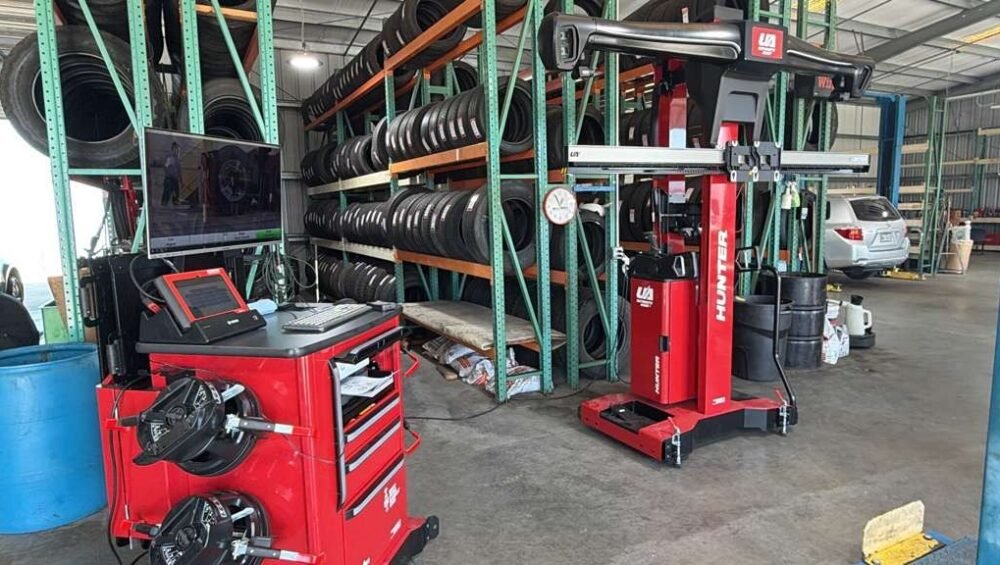
    When it comes to maintaining your vehicle, tires are one of the most essential components. They ensure safety, performance, and comfort while driving. However, buying brand-new tires can be expensive, especially when you need to replace all four. Fortunately, quality used tires provide an affordable alternative, offering drivers the opportunity to save money without compromising on safety or reliability. In this article, we’ll explore the benefits of quality used tires, how to choose them, and why they might be the perfect option for your car. Why Choose Quality Used Tires     How to Choose Quality Used Tires   Benefits of Buying Quality Used Tires Conclusion Quality used tires provide an affordable, reliable, and eco-friendly option for vehicle owners. By purchasing used tires that are carefully inspected and in good condition, you can save money while still enjoying safe and reliable driving. Be sure to check the tire’s tread depth, inspect for any damage, and buy from a reputable source to ensure you get the best value for your money. With the right used tires, you can keep your vehicle running smoothly without breaking the bank. FAQ 1. Are used tires safe to drive on?Yes, used tires can be safe as long as they are inspected for quality. Ensure that the tread depth is sufficient, the tire is free from visible damage, and the tire is not too old. Always buy from a reputable seller who thoroughly checks the tires before selling them. 2. How can I tell if a used tire is in good condition?Look for sufficient tread depth (at least 4/32 inches), check for any visible damage like punctures or bulges, and check the tire’s age using the DOT code. A reputable seller should also provide you with these details. 3. How much can I save by buying used tires?Used tires can save you up to 50% compared to buying new ones. The amount of savings depends on the brand, condition, and size of the tire. 4. How long do used tires last?The lifespan of a used tire depends on its age, tread depth, and how well it was maintained. A good quality used tire can last for thousands of miles if properly cared for. 5. Can I buy just one used tire?Yes, you can buy just one used tire if needed. However, it’s often recommended to replace tires in pairs (front or rear) to ensure balanced handling and performance.  

    Affordable Auto Repair Shop

    Affordable Auto Repair Shop: Quality Service at Budget-Friendly Prices

    When it comes to maintaining your vehicle, finding an Affordable auto repair shop that offers reliable, affordable services is essential. Whether you’re dealing with routine maintenance or a more complex repair, you want a shop that can deliver top-notch work at competitive prices. In this guide, we’ll explore the benefits of choosing an affordable auto repair shop and what factors to consider when looking for a trusted mechanic. Why Choose an Affordable Auto Repair Shop? What to Look for in an Affordable Auto Repair Shop Finding the right affordable auto repair shop for your needs involves more than just comparing prices. Several factors come into play to ensure that you receive the best service for your money.     Affordable Auto Care and Tires Shop Services Affordable auto repair shops offer a wide array of services to keep your vehicle running smoothly. Here are some of the common services you can expect: Conclusion An Affordable auto care and tires shop is more than just a place to fix your car; it’s a partner in maintaining your vehicle and ensuring it operates efficiently. By choosing a shop that offers quality repairs at affordable prices, you can keep your car running smoothly without breaking the bank. Look for a shop that provides transparency, uses quality parts, and employs skilled technicians to ensure the best results. With the right auto repair shop, you’ll enjoy peace of mind knowing that your car is in capable hands, all while saving money on necessary repairs and maintenance. Choose an affordable auto care and tires shop that values customer satisfaction, quality service, and fair pricing—because your car deserves the best!  

    Car Ac Servicing

    Affordable Car AC Servicing Near Me – Keep Your Car Cool and Comfortable

    Your car’s air conditioning system is essential, especially during the hot months. If you’re searching for car AC servicing near me, look no further! At Affordable Auto Care and Tire, we specialize in providing top-quality car AC repair, maintenance, and recharging services. Whether your car’s AC isn’t cooling effectively or it has stopped working altogether, our expert technicians are here to ensure you stay cool and comfortable on the road.   Why Regular Car AC Servicing is Important? Car air conditioners work tirelessly to keep the cabin cool, but over time, they can face issues that affect their performance. Regular car AC servicing near me helps keep your air conditioning system running efficiently and can prevent major breakdowns. Here’s why servicing your car AC is essential: What Our Car AC Servicing Includes ? At Affordable Auto Care and Tire, we provide thorough car AC servicing to ensure your air conditioning system is in perfect working order. Our service includes:   Car AC Servicing Near Me In addition to regular maintenance, we also offer car AC repair services. If your AC system isn’t working properly or is making unusual noises, our technicians are here to help. Common issues we handle include: If you experience any of these issues, it’s important to get your car’s AC serviced promptly to avoid further damage. Our team of experienced professionals will quickly diagnose and fix the problem, ensuring your car’s AC works like new.   Why Choose Us for Car AC Servicing Near Me? Find Car AC Servicing Near You Today If you’re looking for car AC servicing near me, don’t wait until your AC breaks down completely. Contact Affordable Auto Care and Tire today to schedule your car AC maintenance or repair. Our team is ready to ensure your air conditioning system works at its best, keeping you comfortable no matter the temperature outside.  

    Shopping cart close