Autocareandtire

Call us

713-219-9472‬

Mon-Fri 8am-6pm

Saturday 8am-2pm

Auto Care & Tire

Schedule an online appointment

    10 Car Problems You Should Never Ignore

    10 Car Problems You Should Never Ignore | Best Car Repair Shop in Sugar Land

    Your car gives warning signs before major problems happen, and knowing the car problems you should never ignore can save you both money and safety. Unfortunately, many drivers ignore these early symptoms until a small issue turns into an expensive repair — or worse, a dangerous breakdown. Whether it’s a strange noise, warning light, fluid leak, or unusual vibration, ignoring vehicle problems can seriously affect your safety, fuel efficiency, and repair costs. In this complete guide from the best car repair shop in Sugar Land, we’ll cover the 10 most important car problems you should never ignore and explain why acting early can save you thousands of dollars in repairs. Why Ignoring Car Problems Is Dangerous? Many drivers delay repairs because: The car still runs The issue seems minor They want to avoid repair costs However, most major vehicle failures start as small problems. At the best car repair shop in Sugar Land, we regularly see minor issues become: Engine damage Brake failure Transmission breakdowns Expensive repair bills Early action always saves money and improves safety. 1. Engine Warning Light The check engine light is one of the most ignored dashboard warnings. Some drivers continue driving for weeks or even months without checking it. That can be a huge mistake. The warning light may indicate: Engine misfires Sensor failures Fuel system problems Emission issues Serious internal engine damage At the best car repair shop in Sugar Land, diagnostic inspections help identify the exact issue before it becomes a major repair.Never assume the warning light is “nothing serious.” 2. Brake Problems Your brakes are one of the most critical safety systems in your vehicle. Common warning signs include: Squeaking or grinding noises Soft brake pedal Vibrations while braking Longer stopping distance Ignoring brake issues can lead to: Brake rotor damage Complete brake failure Dangerous accidents At the best car repair shop in Sugar Land, brake inspections are one of the most important preventive maintenance services. 3. Engine Overheating If your temperature gauge rises too high or steam comes from under the hood, stop driving immediately. Overheating can cause: Blown head gaskets Warped engine components Complete engine failure Common causes include: Coolant leaks Broken radiator Faulty thermostat Water pump issues Ignoring overheating can turn a small repair into a massive engine replacement bill. 4. Oil Leaks Many drivers ignore oil spots under their vehicle. However, oil leaks are often signs of: Worn seals Damaged gaskets Engine wear Low oil levels increase friction inside the engine, which can lead to severe internal damage. At the best car repair shop in Sugar Land, regular inspections help catch oil leaks early before they become expensive problems. 5. Transmission Problems Transmission repairs are among the most expensive vehicle repairs. Warning signs include: Delayed shifting Slipping gears Burning smell Transmission fluid leaks Jerking movements Ignoring these symptoms can lead to complete transmission failure. Early diagnosis can often prevent major repair costs. 6. Car AC Not Cooling Properly In Texas heat, a failing AC system is more than just uncomfortable. Weak cooling may indicate: Refrigerant leaks Compressor problems Electrical issues Clogged filters At the best car repair shop in Sugar Land, AC issues are especially common during hot weather. Ignoring small AC problems often leads to complete system failure and much higher repair costs. 7. Tire Problems Tires directly affect: Safety Fuel efficiency Handling Braking performance Signs of tire issues include:Uneven wear Low tread depth Cracks or bulges Frequent air loss Vibrations while driving Ignoring tire problems increases the risk of:Blowouts Accidents Poor fuel economy At the best car repair shop in Sugar Land, tire inspections help drivers avoid dangerous road situations. 8. Battery Problems A weak battery often gives warning signs before complete failure. Common symptoms include: Slow engine cranking Dim headlights Electrical problems Difficulty starting the car Ignoring battery issues can leave you stranded unexpectedly. Extreme Texas heat can also shorten battery lifespan significantly. 9. Strange Noises While Driving Your car should not make unusual sounds. Common warning noises include: Grinding Knocking Squealing Clicking Humming Different noises often indicate different mechanical problems. For example: Grinding may indicate brake issues Knocking could signal engine damage Humming may indicate wheel bearing problems At the best car repair shop in Sugar Land, identifying noises early can prevent expensive repairs later. 10. Fluid Leaks Vehicles rely on multiple fluids to operate properly. Leaks may involve: Coolant Transmission fluid Brake fluid Power steering fluid Engine oil Ignoring fluid leaks can lead to: System failures Overheating Brake failure Expensive repairs Any visible fluid leak should be inspected immediately. Why Small Problems Become Big Repairs? One of the biggest mistakes drivers make is waiting too long. A small repair today may cost: ✔ A few hundred dollars The same issue ignored for months may cost: ❌ Thousands of dollars At the best car repair shop in Sugar Land, preventive repairs save customers significant money over time. Importance of Regular Vehicle Inspections Routine inspections help detect: Early wear Hidden problems Fluid issues Safety concerns Regular inspections improve:Vehicle lifespan Reliability Fuel efficiency Driving safety How Early Repairs Save Money? Fixing issues early prevents:Secondary damage Major breakdowns Expensive emergency repairs For example: Replacing brake pads early is far cheaper than replacing rotors and calipers later Fixing a coolant leak early prevents engine damage Prevention is always more affordable than major repairs. How Proper Maintenance Prevents Most Car Problems? Many serious repairs can be avoided through regular maintenance. Essential maintenance includes: Oil changes Tire rotation Brake inspections Fluid checks Battery testing AC system inspections At the best car repair shop in Sugar Land, maintenance services help drivers avoid unexpected breakdowns and expensive repairs. Why Drivers Trust the Best Car Repair Shop in Sugar Land? Choosing the right repair shop matters. At the best car repair shop in Sugar Land, customers receive: ✔ Professional diagnostics ✔ Honest recommendations ✔ Experienced technicians ✔ Affordable repair solutions ✔ Preventive maintenance services ✔ Long-term vehicle care support Professional inspections help catch problems early and reduce long-term repair costs. Pro Tips

    Best Budget Tires in Texas

    5 Best Budget Tires in Texas | Best Tire Repair Shop in Sugar Land

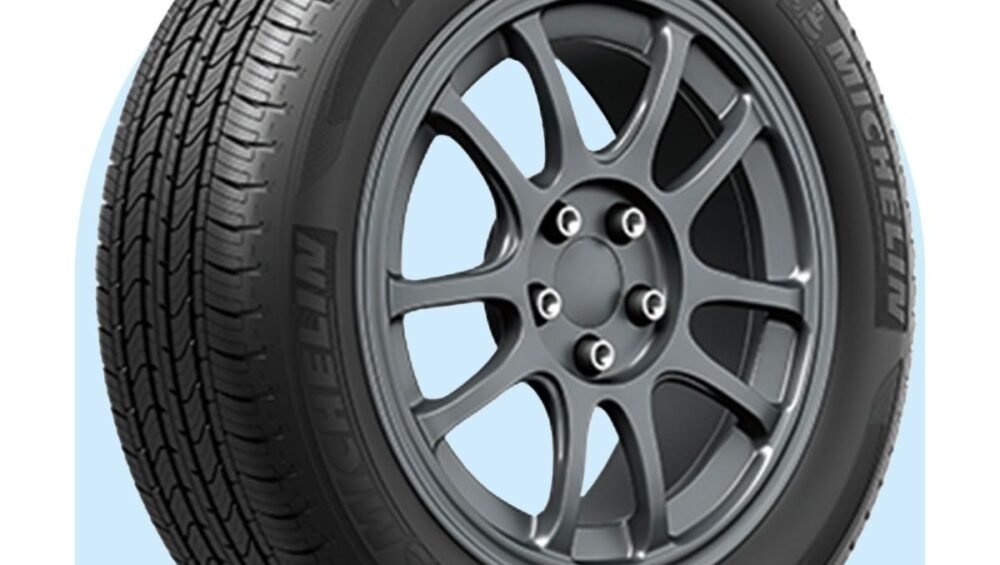
    Best budget tires in Texas aren’t always easy to find – especially when you’re trying to balance quality, performance, durability, and price. Many drivers assume that affordable tires automatically mean lower quality, but that’s not always true. The reality is that some budget-friendly tires offer impressive durability, safety, and comfort without the premium price tag. The key is knowing how to choose the right tire for Texas roads and driving conditions. In this complete guide from the best tire repair shop in Sugar Land, you’ll learn everything you need to know about choosing the best budget tires in Texas while maximizing performance, safety, and long-term savings. Why Choosing the Right Tires Matters in Texas? Texas roads and weather conditions can be extremely demanding on tires. Drivers often face: High temperatures Long-distance driving Heavy traffic Hot road surfaces Sudden rainstorms These conditions can quickly wear out poor-quality tires and reduce overall vehicle performance. At the best tire repair shop in Sugar Land, we regularly help drivers choose tires that can handle Texas conditions without exceeding their budget. Are Budget Tires Actually Worth It? One of the biggest misconceptions about tires is that cheaper always means worse. While extremely low-quality tires should be avoided, many budget-friendly tire options provide: Reliable traction Decent lifespan Comfortable driving Good fuel efficiency The key is understanding the difference between: ❌ Cheap tires ✅ Budget-friendly value tiresAt the best tire repair shop in Sugar Land, we always recommend focusing on value – not just price. What Makes a Tire “Budget-Friendly”? A good budget tire should offer a balance of: Affordability Durability Safety Fuel efficiency Comfortable driving experience The best budget tires are designed for drivers who want dependable performance without paying premium prices. Why Many Texas Drivers Prefer Budget Tires? Not every driver needs expensive high-performance tires. For daily commuting and regular city driving, many drivers simply want: Safe driving Smooth handling Long-lasting tread Affordable replacement costs That’s why budget tires remain one of the most popular choices among drivers in Texas. At the best tire repair shop in Sugar Land, many customers prefer affordable tire options that still deliver excellent value. Texas Heat and Tire Performance Texas heat can be brutal on tires. High temperatures increase: Tire wear Air pressure fluctuations Risk of blowouts This is why choosing the right tire is especially important in Texas. At the best tire repair shop in Sugar Land, we recommend tires that provide: Heat resistance Strong tread durability Reliable traction on hot roads Budget tires that cannot handle heat properly may wear out quickly and become unsafe. Features to Look for in Budget Tires When shopping for budget tires, it’s important to focus on performance and reliability rather than just price. ✔ Good Tread Design A quality tread pattern improves: Wet-road traction Braking performance Stability ✔ Long Tread Life A longer-lasting tire provides better long-term value. At the best tire repair shop in Sugar Land, we often recommend tires with strong treadwear ratings for drivers looking to maximize savings. ✔ Fuel Efficiency Some tires reduce rolling resistance, which helps improve gas mileage. This can save drivers significant money over time. ✔ Comfortable Ride Quality Good tires should reduce: Road noise Vibrations Rough driving feel ✔ Strong Heat Resistance Texas drivers need tires capable of handling hot pavement and long-distance driving. Common Mistakes Drivers Make When Buying Budget Tires Many people focus only on finding the cheapest tire possible. This often leads to problems such as: Faster wear Poor traction Reduced safety Frequent replacements At the best tire repair shop in Sugar Land, we help customers avoid these costly mistakes by recommending tires that offer real long-term value. Budget Tires vs Premium Tires Premium tires usually offer: Advanced technology Enhanced performance Better cornering Quieter rides However, many drivers never fully utilize these premium features. Budget tires can still provide excellent everyday performance for: Commuting Family vehicles Regular highway driving For most drivers, a high-quality budget tire is often the smarter financial choice. Safety Should Always Come First! No matter your budget, safety should never be compromised. The best budget tires should still provide: Reliable braking Strong road grip Stable handling Wet-weather traction At the best tire repair shop in Sugar Land, we prioritize safe and dependable tire options for every customer. Importance of Proper Tire Installation Even the best tires can perform poorly if they are installed incorrectly. Professional installation includes: Tire balancing Proper inflation Wheel alignment checks These services help: Extend tire lifespan Improve comfort Reduce uneven wear That’s why working with the best tire repair shop in Sugar Land is essential for long-term tire performance. How to Make Budget Tires Last Longer? Buying affordable tires is only part of the equation. Proper maintenance plays a huge role in maximizing tire life. ✔ Maintain Correct Air Pressure Incorrect tire pressure can reduce lifespan and fuel efficiency. ✔ Rotate Tires Regularly Tire rotation prevents uneven wear and improves longevity. ✔ Check Wheel Alignment Misaligned wheels can destroy tires quickly. ✔ Drive Smoothly Aggressive braking and speeding increase tire wear. ✔ Inspect Tires Frequently Regular inspections help catch issues before they become expensive problems. Wet Weather Performance Matters Texas weather can change quickly, and heavy rain can make roads dangerous. Good budget tires should provide: Reliable wet traction Hydroplaning resistance Strong braking performance At the best tire repair shop in Sugar Land, we always recommend tires that perform well in both dry and wet conditions. Choosing Tires Based on Vehicle Type Different vehicles require different tire characteristics are: Sedans Need comfort, fuel efficiency, and balanced handling. SUVs Require stronger tires with higher load capacity. Trucks Need durability and heavy-duty performance. Family Vehicles Need safety, reliability, and long tread life. At the best tire repair shop in Sugar Land, tire recommendations are always based on vehicle type and driving habits. Long-Term Savings Matter More Than Upfront Cost Many drivers make the mistake of focusing only on the purchase price. However, true tire value comes from: Long lifespan Better fuel efficiency Reduced

    Choose the Best Tires for Your Car

    12 How to Choose the Best Tires for Your Car? | Best Tire Repair Shop in Sugar Land

    Expert Advice from the Best Tire Repair Shop in Sugar Land – Choosing the right tires for your vehicle is one of the most important decisions you can make as a driver. Tires are not just rubber components attached to your car – they directly affect your safety, fuel efficiency, driving comfort, braking performance, and overall vehicle handling. Yet many drivers choose tires based only on price or appearance, without understanding what their vehicle actually needs. This often leads to poor performance, faster wear, lower fuel efficiency, and expensive replacements. In this complete guide from the best tire repair shop in Sugar Land, you’ll learn exactly how to choose the best tires for your car while saving money, improving safety, and maximizing performance.   Why Choosing the Right Tires Matters? Your tires are the only part of your vehicle that touches the road. Because of this, they play a critical role in: Vehicle control Braking performance Road traction Fuel efficiency Driving comfort Safety during bad weather Using the wrong tires can negatively affect your vehicle’s handling and increase the risk of accidents. At the best tire repair shop in Sugar Land, we often see drivers struggling with tire-related problems simply because they purchased the wrong type of tire for their needs. Step 1: Understand Your Driving Needs Before buying tires, the first thing you should ask yourself is: “How do I actually use my vehicle?”Different drivers need different types of tires.For example: Daily commuters need durability and fuel efficiency Highway drivers need comfort and stability Performance drivers need better grip and handling Family vehicles need safety and reliability At the best tire repair shop in Sugar Land, understanding your driving habits is always the first step toward choosing the perfect tire. Step 2: Know the Main Types of Tires One of the biggest mistakes drivers make is buying tires without understanding the differences between tire categories. All-Season Tires These are the most common tires and are ideal for everyday driving. They offer a balance of: Comfort Longevity Fuel efficiency Moderate weather performance For most drivers in Texas, all-season tires are often the best option. Performance Tires Performance tires provide: Better grip Improved cornering Enhanced handling However, they usually wear out faster and cost more. These tires are ideal for sports cars or drivers who prioritize performance over longevity. Touring Tires  Touring tires focus on: Smooth rides Low road noise Long-lasting durability Many drivers choose touring tires for comfort and long-distance driving. Winter Tires Winter tires are designed for: Snow Ice Extremely cold temperatures While they are not commonly needed in Texas, they are essential in colder regions. Step 3: Learn How to Read Tire Size Every tire has a specific size printed on its sidewall. Example: 225/65R17 This number tells you: Tire width Aspect ratio Tire construction Wheel diameter Using the wrong size can affect: Fuel efficiency Speedometer accuracy Vehicle stability At the best tire repair shop in Sugar Land, we always recommend following the manufacturer’s recommended tire size unless advised otherwise by a professional. Step 4: Balance Budget and Quality Many drivers try to save money by buying the cheapest tires available. However, cheap tires can lead to: Faster wear Poor traction Reduced safety More frequent replacement Instead of focusing only on price, focus on: Durability Warranty Long-term value At the best tire repair shop in Sugar Land, we help customers choose tires that provide the best balance between affordability and performance. Step 5: Prioritize Safety Features Safety should never be compromised when choosing tires. High-quality tires provide: Better wet-road traction Shorter braking distance Improved stability Look for tires with: Strong tread patterns Reliable traction ratings Good temperature resistance This is especially important in Texas, where hot roads can put extra stress on tires. Step 6: Consider Weather Conditions Your local climate plays a major role in tire selection. In Sugar Land and other Texas areas, drivers often deal with: High temperatures Heavy rain Hot road surfaces That’s why many customers at the best tire repair shop in Sugar Land prefer tires that perform well in both heat and wet conditions. Step 7: Think About Tire Lifespan Not all tires last the same amount of time. Some tires focus on: Performance Grip Speed Others focus on: Durability Mileage Long-term value If you drive frequently, choosing long-lasting tires can save you significant money over time. Step 8: Check Tire Warranty A tire warranty provides extra protection and peace of mind. Good warranties often cover: Manufacturing defects Tread life Early wear issues At the best tire repair shop in Sugar Land, we always encourage drivers to consider warranty coverage before making a final decision. Step 9: Don’t Ignore Tire Maintenance Even the best tires will wear out quickly without proper maintenance. To maximize tire life: Check air pressure regularly Rotate tires every few thousand miles Inspect tread depth Maintain wheel alignment Proper maintenance improves: Safety Fuel efficiency Tire lifespan Step 10: Avoid Tire Buying Mistakes Many drivers unknowingly make costly mistakes when buying tires. Common mistakes include: Buying based only on price Choosing the wrong tire size Ignoring tread quality Mixing different tire types Delaying replacement These mistakes can lead to: Poor performance Uneven wear Increased fuel costs Safety risks At the best tire repair shop in Sugar Land, professional guidance helps drivers avoid these expensive problems. Step 11: Understand the Real Value of Tires The cheapest tire is not always the most affordable option. A quality tire that lasts longer can save you money by: Reducing replacement frequency Improving fuel economy Lowering maintenance costs Long-term value matters more than short-term savings. Step 12: Choose Tires Based on Your Vehicle Type Different vehicles require different tire characteristics. Sedans Need comfort, fuel efficiency, and balanced performance.SUVs Require stronger tires with higher load capacity.Trucks Need durability and towing support. Sports Cars Require maximum traction and handling. At the best tire repair shop in Sugar Land, selecting tires based on vehicle type ensures better performance and safety. Why Choosing the Best Tire Repair

    Used Tires vs New Tires – Full Comparison

    6 Used Tires vs New Tires – Full Comparison | Best Tire Repair Shop in Sugar Land

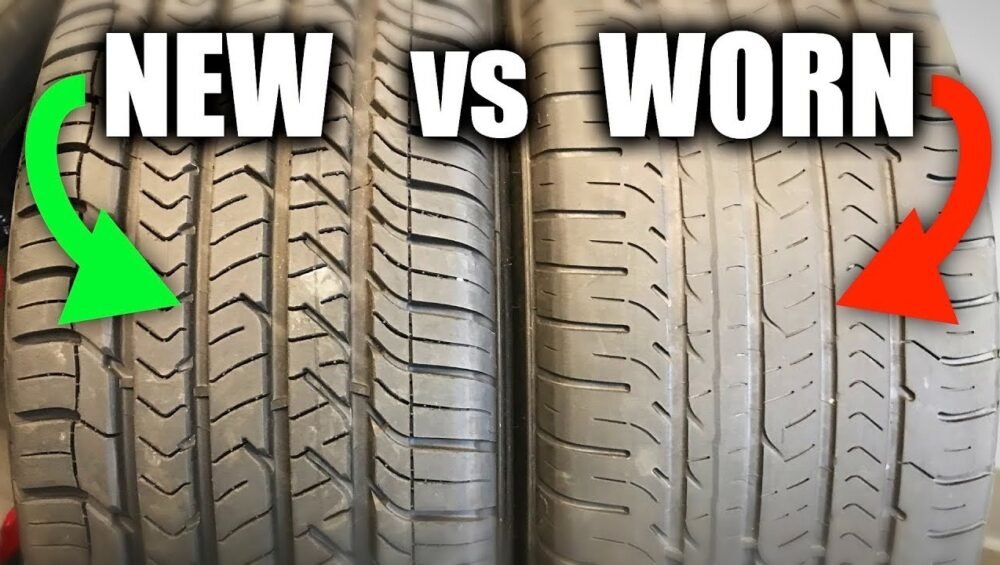
    Used tires vs new tires – when it’s time to replace your vehicle’s tires, this is one of the biggest decisions drivers face. At first glance, used tires may seem like the smarter financial choice because of their lower price. However, many drivers later realize that cheaper doesn’t always mean better. The truth is that both used and new tires have their own advantages and disadvantages. The right option depends on your budget, driving habits, safety priorities, and long-term goals. In this detailed guide from the best tire repair shop in Sugar Land, we’ll break down the complete comparison between used tires and new tires so you can make the smartest decision for your vehicle and your wallet.   Why Choosing the Right Tires Matters? Your tires are one of the most important safety components of your vehicle. They affect: Road grip and traction Fuel efficiency Braking performance Driving comfort Vehicle handling Overall safety Poor-quality or worn-out tires can increase the risk of accidents, reduce fuel efficiency, and lead to expensive repairs. That’s why choosing between used and new tires is more than just a price decision – it’s a long-term investment in your vehicle’s performance and safety. What Are Used Tires? Used tires are previously owned tires that still have remaining tread and usable life. These tires are usually removed from vehicles because of trade-ins, upgrades, lease returns, or minor wear. Many drivers choose used tires because they are significantly cheaper than new ones. In some cases, they can be a practical short-term solution for drivers on a tight budget.   At the best tire repair shop in Sugar Land, customers often ask whether used tires are worth it. The answer depends on the condition of the tire and how it will be used. What Are New Tires? New tires are factory-fresh tires that have never been used. They come with full tread depth, manufacturer warranty, and the latest tire technology. New tires are designed to deliver: Maximum traction Longer lifespan Better fuel efficiency Improved driving comfort Although they cost more upfront, they often provide greater long-term value. At the best tire repair shop in Sugar Land, many daily drivers and families prefer new tires because of the added reliability and safety. Price Comparison: Which Option Is More Affordable? One of the biggest reasons people choose used tires is the lower initial cost. Used tires are generally much cheaper than new tires, making them attractive for: Emergency replacements Temporary use Older vehicles However, lower upfront cost does not always mean lower long-term cost. New tires cost more initially, but they usually last much longer and require fewer replacements over time.This means the real question is not: “Which tire is cheaper today?” It’s: “Which tire saves more money over time?” Long-Term Cost Comparison This is where many drivers make a mistake. Used tires may seem budget-friendly, but because they already have wear, they often need replacement much sooner. New tires, on the other hand: Last longer Provide better durability Offer better fuel efficiency Over several years, repeatedly replacing used tires can actually cost more than buying one quality set of new tires. At the best tire repair shop in Sugar Land, we always encourage drivers to think beyond the upfront price and focus on overall value. Safety Comparison: Which Option Is Safer? Safety should always be a top priority when choosing tires. New tires clearly have an advantage because they come with: Full tread depth No hidden damage Manufacturer quality standards Used tires may look fine on the outside, but internal damage is often difficult to detect.Potential risks with used tires include: Weak sidewalls Uneven wear Previous puncture damage Reduced traction These issues can increase the risk of: Blowouts Hydroplaning Poor braking performance At the best tire repair shop in Sugar Land, safety inspections are extremely important before recommending any used tire. Performance Comparison New tires provide better overall performance because they are designed with: Advanced rubber compounds Modern tread patterns Improved handling technology Drivers often notice: Smoother rides Better grip Improved steering response Used tires can still perform reasonably well if they are in good condition, but they generally cannot match the performance of new tires. For drivers who travel long distances or drive frequently, new tires are usually the better option. Lifespan Comparison One major advantage of new tires is their longer lifespan.Because they start with full tread depth, they can last several years with proper maintenance.Used tires already have partial wear, which means: Shorter remaining life Faster replacement needs At the best tire repair shop in Sugar Land, we often see customers replacing used tires much sooner than expected. Weather Performance Matters Tire performance becomes even more important during: Rain Wet roads High temperatures New tires generally perform better in difficult weather conditions because of their deeper tread and improved grip. Used tires with low tread depth may struggle to maintain traction, especially during heavy rain. This can increase stopping distance and reduce control. Maintenance Requirements Both used and new tires require proper maintenance to maximize lifespan. However, used tires often need closer monitoring because they may wear unevenly or develop issues faster. To extend tire life: Maintain proper air pressure Rotate tires regularly Check wheel alignment Inspect for damage frequently At the best tire repair shop in Sugar Land, routine tire maintenance helps drivers save money and avoid unexpected problems. When Used Tires Make Sense? Used tires can still be a smart choice in some situations. They may be suitable if: You need a temporary solution Your budget is very limited You drive an older vehicle You rarely drive long distances However, it’s essential to buy from a trusted source that properly inspects the tires. When New Tires Are the Better Choice than Used Tires? New tires are generally the best option if: You drive daily Safety is a top concern You travel frequently You want long-term savings At the best tire repair shop in Sugar Land, new tires are often recommended for drivers who want reliability, performance, and

    14 Best Affordable Car Repair tips to Save Money

    14 Best Affordable Car Repair tips to Save Money

    In this 14 Best Affordable Car Repair tips to Save Money guide from the best vehicle repair shop in Sugar Land, you’ll discover practical, proven, and budget-friendly car repair tips that will help you save money – without compromising quality. Car repairs can quickly become one of the biggest unexpected expenses for any driver without the affordable car repair tips. Whether it’s a sudden breakdown or a routine fix, the costs can add up faster than you think. With the right knowledge and smart decisions, you can significantly reduce repair costs while maintaining safety and performance. Our 14 best affordable car repair tips to save money will be the best solution for every users.   Why Car Repairs Feel So Expensive? Before we dive into saving strategies, it’s important to understand why car repairs often seem costly. Most drivers wait until something breaks before taking action. By that time, small issues have already turned into major problems. At the best vehicle repair shop in Sugar Land, we often see customers who could have saved hundreds of dollars with early maintenance and smarter repair decisions. The key to saving money is prevention, awareness, and smart choices. Tip 01: Don’t Ignore Small Problems One of the biggest mistakes drivers make is ignoring minor issues. A small noise, vibration, or warning light may not seem urgent – but it often signals a developing problem. For example: A small brake issue can turn into complete brake failure A minor oil leak can damage your engine Slight AC problems can lead to full system breakdown Fixing problems early is always cheaper than repairing major damage. At the best vehicle repair shop in Sugar Land, we always recommend addressing issues as soon as they appear. Tip 2: Follow a Regular Maintenance Schedule Routine maintenance is the foundation of affordable car care. Skipping maintenance might save money today, but it almost always leads to higher repair costs later. Essential maintenance includes: Oil changes Tire rotation Brake inspections Fluid checks Regular maintenance helps prevent major breakdowns and extends the life of your vehicle. Think of it as an investment, not an expense. Tip 3: Understand Basic Car Problems You don’t need to be a mechanic – but having basic knowledge can save you money. Understanding common issues helps you: Avoid unnecessary repairs Communicate better with mechanics Make informed decisions At the best vehicle repair shop in Sugar Land, we believe informed customers make smarter choices and avoid overpaying. Tip 4: Compare Repair Options Not all repair solutions are equal. Sometimes you may have options such as: Repair vs replacement Used parts vs new parts OEM vs aftermarket components Choosing the right option depends on your budget and long-term goals. A trusted shop will always explain your options clearly. Tip 5: Choose the Right Repair Shop Where you take your car matters more than you think. At the best vehicle repair shop in Sugar Land, customers benefit from: ✔ Honest pricing ✔ Accurate diagnostics ✔ Experienced technicians ✔ Long-term solutions Choosing a reliable shop helps you avoid: Unnecessary repairs Overcharging Poor-quality work The right shop saves you money in the long run. Tip 6: Avoid Cheap, Low-Quality Repairs Trying to save money by choosing the cheapest repair option can backfire. Low-quality parts or inexperienced technicians may: Fail quickly Cause additional damage Increase future repair costs Smart savings come from value, not just low price. Tip 7: Focus on Long-Term Value When it comes to repairs, always think long-term. For example: A slightly more expensive part that lasts longer can save money Proper repair now can prevent repeated issues At the best vehicle repair shop in Sugar Land, we always prioritize solutions that offer the best long-term value. Tip 8: Maintain Your Tires Properly Tires play a major role in both safety and cost. Poor tire maintenance can lead to: Increased fuel consumption Faster wear Risk of accidents Simple ways to save: Check tire pressure regularly Rotate tires Align wheels properly Proper tire care reduces repair costs and improves efficiency. Tip 9: Don’t Delay Oil Changes Oil is essential for your engine’s health. Skipping oil changes can lead to: Engine overheating Increased wear Expensive engine repairs Regular oil changes are one of the cheapest ways to prevent major damage. Tip 10: Pay Attention to Warning Signs Your car gives you signals when something is wrong. Common warning signs include: Strange noises Dashboard warning lights Reduced performance Unusual smells Ignoring these signs can lead to costly repairs. Tip 11: Use Preventive Maintenance Preventive maintenance is one of the best ways to save money. This includes: Regular inspections Replacing worn parts early Keeping systems clean and efficient At the best vehicle repair shop in Sugar Land, preventive care is a top priority for long-term savings. Tip 12: Ask Questions Before Repair Never hesitate to ask your mechanic questions. Ask about: Repair options Cost breakdown Urgency of the issue Transparency helps you avoid unnecessary expenses. Tip 13: Take Advantage of Discounts & Offers Many repair shops offer: Seasonal discounts Service packages Loyalty programs These can significantly reduce your overall cost. Tip 14: Drive Smart to Reduce Repairs Your driving habits directly affect repair costs. Aggressive driving can lead to: Brake wear Tire damage Engine strain Smooth driving = fewer repairs = more savings Common Mistakes That Cost You More Avoid these mistakes if you want to save money: ❌ Ignoring maintenance ❌ Choosing the cheapest option blindly ❌ Delaying repairs ❌ Visiting untrusted repair shops These mistakes often lead to higher expenses. Why the Best Vehicle Repair Shop in Sugar Land Makes a Difference? Working with professionals ensures: ✔ Accurate problem diagnosis ✔ Cost-effective solutions ✔ Reliable repairs ✔ Long-term savings At the best vehicle repair shop in Sugar Land, the goal is not just to fix your car – but to help you save money and avoid future problems. Final Thoughts Saving money on car repairs isn’t about cutting corners – it’s about making smart decisions. By following these tips, you

    8 Best Budget Friendly Tire Buying Guide

    8 Best Budget Friendly Tire Buying Guide

    Smart Savings Tips which is called as best budget friendly tire buying guide from the Best Tire Repair Shop in Sugar Land where buying new tires can feel expensive – but here’s the truth: You don’t have to overspend to get quality, safety, and performance. Many drivers think cheaper tires always mean lower quality, while expensive ones guarantee the best performance. In reality, the smartest buyers know how to balance price, durability, and long-term value. In this guide from the best tire repair shop in Sugar Land, you’ll discover how to buy the right tires on a budget – without compromising safety or performance.   Why this budget-friendly tire buying guide is needed? Tires are one of the most important components of your vehicle. They affect: 1. Safety 2. Fuel efficiency 3. Driving comfort 4. Vehicle performance 5. That’s why choosing the wrong tires can cost you more in the long run. At the best tire repair shop in Sugar Land, we’ve seen many customers overspend simply because they didn’t know what to look for. The good news? With the right strategy, you can save money and get better value.   Step 1: Understand What You Actually Need Before buying tires, ask yourself: How often do I drive? Do I drive long distances? What kind of roads do I use? Do I need performance or just reliability? Not everyone needs premium tires. Many drivers can save money by choosing mid-range or budget-friendly options that still meet their needs. At the best tire repair shop in Sugar Land, we always recommend buying based on usage – not hype. Step 2: Know the Difference Between Cheap and Budget-Friendly Tires There’s a big difference between: ❌ Cheap tires (low quality, unsafe) ✅ Budget-friendly tires (affordable but reliable) Cheap tires may: 1. Wear out quickly 2. Reduce safety 3. Increase long-term cost Budget-friendly tires, on the other hand: 1. Offer decent lifespan 2. Maintain safety standards 3. Provide better value for money The goal is not to spend less – it’s to spend smart. Step 3: Choose the Right Tire Type in Budget Choosing the right type of tire can save you hundreds of dollars. Because: All-Season Tires – 1. Best for everyday use 2. Affordable and versatile 3. Ideal for most drivers in Texas Performance Tires – 1. Better grip and handling 2. More expensive 3. Not necessary for daily driving Touring Tires – 1. Comfortable and long-lasting 2. Slightly higher cost but great value For most drivers, all-season or touring tires are the best budget-friendly choice. Step 4: Consider Used Tires (Smartly) Used tires can be a great option if you’re on a tight budget – but only if you buy them wisely. At the best tire repair shop in Sugar Land, we always recommend: ✔ Checking tread depth ✔ Inspecting for damage ✔ Buying from a trusted source Never buy used tires blindly – it can cost you more later. Step 5: Think Long-Term, Not Just Price Many people make the mistake of choosing the cheapest option. But here’s what matters more: 1. Cost per mile 2. Lifespan 3. Maintenance cost A slightly more expensive tire that lasts longer will save you more money than a cheap tire that wears out quickly. At the best tire repair shop in Sugar Land, we help customers choose tires that offer maximum long-term value. Step 6: Don’t Ignore Tire Maintenance Buying the right tire is only half the job. Proper maintenance can double your tire lifespan. ✔ Maintain Proper Air Pressure – Improves fuel efficiency and reduces wear ✔ Rotate Tires Regularly – Ensures even wear ✔ Check Alignment – Prevents damage and extends lifespan ✔ Inspect Tires Monthly – Catch problems early These small steps can save you hundreds of dollars. Step 7: Avoid These Costly Mistakes At the best tire repair shop in Sugar Land, we often see drivers make these mistakes: ❌ Buying tires based only on price ❌ Ignoring tire size and specifications ❌ Skipping professional installation ❌ Delaying replacement These mistakes can lead to: 1. Poor performance 2. Safety risks 3. Higher long-term costs Step 8: Look for Deals & Discounts You don’t always have to pay full price. Ways to Save: 1. Seasonal discounts 2. Bundle deals 3. Buy 3 get 1 free offers 4. Local shop promotions Many drivers save big just by timing their purchase right. Why Choosing the Best Tire Repair Shop in Sugar Land Matters?   At the best tire repair shop in Sugar Land, you will get: ✔ Expert advice tailored to your budget ✔ Honest recommendations ✔ High-quality options at affordable prices ✔ Professional installation ✔ Long-term support This ensures you get the best value for your money. Pro Tips to Maximize Your Savings from Our Tire Buying Guide Want to save even more? Follow these expert tips: > Don’t mix different tire types > Replace all four tires when possible > Choose trusted brands (even in budget range) > Monitor tire wear regularly > Avoid aggressive driving Smart habits = longer tire life = more savings The Smart Buyer’s Mindset during buying Tires The smartest drivers don’t just look for cheap options – they look for value. They understand: 1. Quality matters 2. Safety is important 3. Long-term savings beat short-term gains That’s why they trust the best tire repair shop in Sugar Land for expert guidance. Finally: Save Money Without Compromise Buying tires on a budget doesn’t mean sacrificing safety or performance. With the right knowledge, you can: ✔ Choose the right type of tire ✔ Avoid unnecessary costs ✔ Maximize lifespan ✔ Drive safely and confidently The key is making informed decisions – not just cheap ones. Take Action Today! Looking for the best budget-friendly tire options? Visit us today which is the best tire repair shop in Sugar Land, texas and get expert guidance tailored to your needs. And get: Proper Inspection Expert recommendations Affordable tire options Affordable Repairing Options Professional service Make the smart choice today and drive

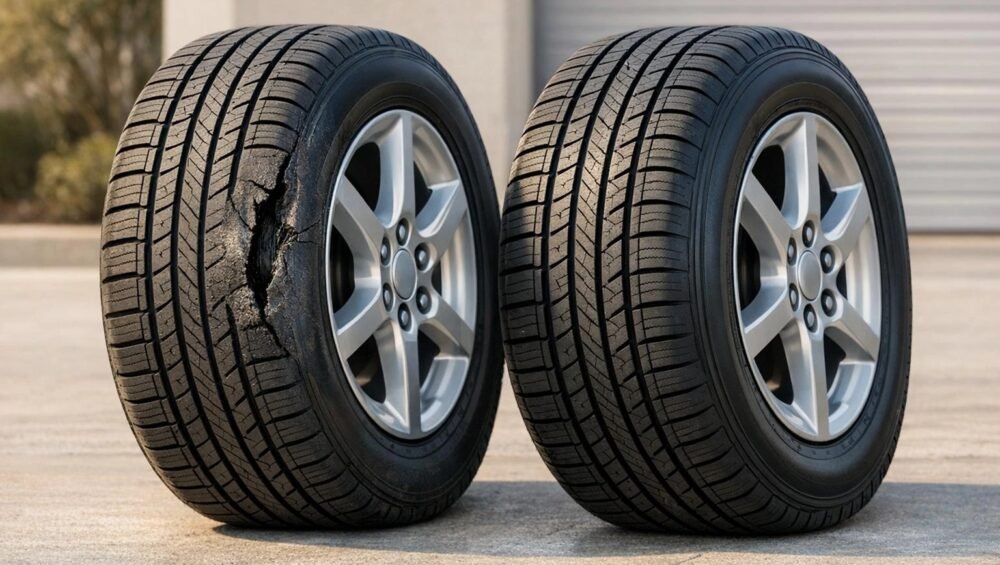
    Worn used tire with crack next to a new tire, showing which saves more money on tires

    5 Reasons between Used Tires vs New Tires: Which one is Best?

    Which saves more money on tires – used or new? This is the question every driver asks when it’s time for a replacement. Should you choose used tires to save money, or invest in new tires for long-term value? Many drivers in Texas face this exact dilemma. At the best tire repair shop in Sugar Land, we often see customers trying to balance affordability with safety – and the right choice depends on more than just price. Understanding the Real Cost of Tires Saving money on tires isn’t just about paying less today. It’s about how much you’ll spend over time. At the best tire repair shop in Sugar Land, we always advise customers to consider: Lifespan of the tire Performance and safety Fuel efficiency impact Replacement frequency Because the cheapest option upfront is not always the most cost-effective in the long run. This is exactly why understanding which saves more money on tires matters so much before you buy. Used Tires: Affordable but Risky? Used tires are a popular choice for drivers looking to cut costs quickly. They come at a lower price and can be a practical solution in certain situations. However, when customers visit the best tire repair shop in Sugar Land, we always explain the hidden factors: Unknown driving history Possible internal damage Reduced tread life Faster wear and tear While used tires may seem like a good deal, they often require more frequent replacement, which increases overall costs. New Tires: Higher Cost, Better Value New tires provide maximum performance, durability, and safety. At the best tire repair shop in Sugar Land, most long-term drivers prefer new tires because they offer: Full tread depth Longer lifespan Better traction and control Manufacturer warranty Although the initial cost is higher, the long-term savings are often greater. Hidden Costs You Shouldn’t Ignore One of the biggest mistakes we see at the best tire repair shop in Sugar Land is customers focusing only on upfront cost. Here’s what many people overlook: Short Lifespan: Used tires wear out faster, meaning you’ll need replacements sooner. Fuel Efficiency Loss: Worn tires increase resistance, causing your car to consume more fuel. Safety Risks: Hidden damage in used tires can lead to blowouts or accidents. No Warranty Protection: Most used tires don’t come with guarantees, which means more risk. Long-Term Savings: Which Saves More Money on Tires? When comparing long-term value, new tires usually come out ahead. At the best tire repair shop in Sugar Land, we’ve seen countless cases where customers who initially chose used tires ended up spending more over time due to repeated replacements. New tires: Last longer Perform better Cost less per mile When Used Tires Make Sense? Used tires can still be a smart option in certain cases: Temporary use Tight budget situations Older vehicles However, at the best tire repair shop in Sugar Land, we strongly recommend a professional inspection before purchasing any used tire. When You Should Choose New Tires? If you want reliability and long-term savings, new tires are the better investment. At the best tire repair shop in Sugar Land, we recommend new tires if: You drive daily You travel long distances Safety is a priority You want to avoid frequent replacements Why Choosing the Right Shop Matters? Your choice of repair shop is just as important as your choice of tires. At the best tire repair shop in Sugar Land, you get: Expert advice based on your needs Honest recommendations (not sales pressure) Professional installation Proper alignment and balancing This ensures you actually save money—not just today, but long-term. Expert Tips to Maximize Tire Life To get the most value from your tires, follow these expert tips from the best tire repair shop in Sugar Land: Maintain proper tire pressure Rotate tires regularly Check alignment Inspect for damage frequently Address small issues early These simple steps can significantly extend tire lifespan and reduce costs. Mistakes That Cost You More Money Avoid these common mistakes: Choosing price over quality Ignoring worn-out tires Buying used tires without inspection Skipping maintenance At the best tire repair shop in Sugar Land, we’ve seen how these mistakes can lead to expensive repairs. Avoiding them is the first step toward knowing which saves more money on tires in your specific situation. If your goal is short-term savings, used tires may work. But if you’re thinking long-term, the answer is clear: New tires save more money over time. Because they last longer, perform better, and reduce the risk of costly problems. Take Action Today Still unsure which option is right for you? Visit us today which is the best tire repair shop in Sugar Land and get expert guidance tailored to your needs. ✔ Proper Inspection✔ Honest Recommendations✔ Affordable Repairing Options✔ Professional service Make the smart choice today and drive with confidence through our affortable and best tire services in the texas.

    Car AC Struggles in Texas Heat

    6 reasons of Car AC Struggles in Texas Heat

    When the Texas heat hits its peak, your Car AC Struggles in Texas Heat which isn’t just a luxury – it’s a necessity. So, when your AC suddenly starts blowing warm air, it can quickly turn your drive into an uncomfortable experience. If you’re searching for solutions, this guide from the Best vehicle repair shop in Sugar Land will help you understand the real reasons behind AC failure – and what you should do next. Why Your Car AC Struggles in Texas Heat? Texas temperatures can easily exceed 100°F (38°C), putting extreme pressure on your vehicle’s cooling system. Your car’s AC must work harder than usual, and even a small issue can lead to complete failure. Here are the most common reasons your car AC is not cooling properly: 1. Low Refrigerant Level (Most Common Issue) Refrigerant (AC gas) is the key component that cools the air inside your car. If levels drop due to leaks or natural loss over time, your AC will stop cooling effectively. Signs: Warm air instead of cold AC takes too long to cool Hissing sound from AC system Solution:A professional inspection and refrigerant recharge from the best vehicle repair shop in Sugar Land ensures proper cooling performance. 2. AC Compressor Failure The compressor is the heart of your AC system. It circulates refrigerant and maintains pressure. Signs: AC not cooling at all Loud noises when AC is on AC clutch not engaging Why it happens: Wear and tear Lack of maintenance Electrical issues 3. Blocked or Dirty Condenser The condenser releases heat from the refrigerant. In dusty environments like Texas, it can easily get clogged with dirt, debris, or bugs. Signs: AC cools only while driving Overheating engine Reduced airflow Fix:Cleaning or replacing the condenser restores cooling efficiency. 4. Electrical or Sensor Issues Modern vehicles rely heavily on sensors and electronics. A faulty sensor or wiring problem can disrupt the entire AC system. Signs: AC works intermittently Sudden temperature changes AC stops working randomly Solution:Advanced diagnostics by a professional technician is required. 5. Faulty Blower Motor The blower motor pushes cool air into your cabin. If it’s weak or damaged, airflow will be reduced. Signs: Weak airflow from vents No air coming out Strange noises 6. Cabin Air Filter Blockage A dirty cabin air filter restricts airflow, making your AC feel ineffective. Signs: Low airflow Musty smell Poor cooling performance Quick fix:Replacing the air filter can significantly improve cooling. Why You Should NOT Ignore This Problem? Ignoring AC issues can lead to: Higher repair costs Complete system failure Uncomfortable and unsafe driving conditions Increased fuel consumption Why Choose the Best Vehicle Repair Shop in Sugar Land? When it comes to AC repair, expertise matters. A quick DIY fix might not solve the root problem. At a trusted repair shop, you get: ✔ Accurate diagnostics✔ Certified technicians✔ High-quality parts✔ Affordable pricing✔ Long-term solutions Pro Tips to Keep Your Car AC Working Perfectly Run your AC regularly (even in winter) Get AC service every 6–12 months Keep condenser clean Replace cabin air filter regularly Fix small issues early When Should You Visit a Professional? You should visit a repair shop immediately if: Your AC blows hot air Cooling is inconsistent You hear unusual noises There is a bad smell from vents Finally Your car AC system is essential – especially in Texas heat. Most AC problems start small but can quickly become expensive if ignored. If you’re experiencing any of the issues mentioned above, don’t wait. Get your vehicle checked by the Best vehicle repair shop in Sugar Land where we situated and enjoy a cool, comfortable drive again. Because we at Affordable Auto Care & Tires provide their servcies with care and potentiality.

    Scheduled Car Maintenance Service

    What Does a Scheduled Car Maintenance Service Include?

    A scheduled car maintenance service is routine care for your vehicle performed at set mileage or time intervals. It covers fluid changes, brake inspections, filter replacements, belt checks, and a full diagnostic scan. Staying on schedule protects your warranty, keeps your car safe, and prevents small problems from turning into expensive ones. If you’re in Sugar Land, TX, Affordable Auto Care & Tire handles all of this — and has for over 15 years. What Is a Scheduled Car Maintenance Service? A scheduled car maintenance service is routine care performed at specific intervals set by your vehicle’s manufacturer. These intervals are based on mileage — typically every 5,000 or 10,000 miles — or time, such as every six or twelve months, whichever comes first. Think of it like a health checkup for your car. Your doctor doesn’t wait until you’re sick to see you — and your mechanic shouldn’t either. Minor Service vs. Major Service — What’s the Difference? A minor service (typically every 5,000–7,500 miles) covers the essentials: oil change, oil filter replacement, fluid top-ups, and a visual inspection of key components. A major service (usually every 30,000 miles or annually) goes significantly deeper — full fluid replacements, spark plug inspection, belt and hose checks, brake measurements, and a complete OBD-II diagnostic scan. Your owner’s manual is the authoritative source for your specific vehicle’s schedule. That book isn’t just paperwork — it’s an engineered plan built specifically for your engine. Why Follow a Maintenance Schedule? Skipping scheduled service rarely saves money. It borrows against future repair costs at a very unfavorable rate. Here’s what’s actually at stake: Warranty protection: Most manufacturers require documented, scheduled maintenance to honor powertrain and bumper-to-bumper warranties. A missed service can create grounds for a claim denial. Safety: Brake fluid condition, tire tread depth, and belt integrity directly affect whether your car stops when you need it to. Resale value: A complete, documented service history is one of the strongest selling points for a used vehicle. Buyers pay more for proof of care. Cost efficiency: Catching a worn belt or low coolant during a routine service prevents the far larger repair bill that follows when it’s ignored. The good news is that staying on schedule doesn’t have to be complicated or expensive — especially when you have a trusted local shop handling it. What’s Typically Included in a Car Maintenance Service? Here’s an honest breakdown of what a quality shop covers during a routine service visit. Essential Fluid Checks and Changes Fluids are your car’s lifeblood. A proper service checks and either tops off or fully replaces: Engine oil and oil filter — the most critical interval item; degraded oil leads to engine wear and sludge buildup Coolant / antifreeze — prevents overheating in summer and freezing in winter Brake fluid — absorbs moisture over time, which lowers its boiling point and quietly reduces your stopping power Transmission fluid — protects gears and ensures smooth, consistent shifting Power steering fluid — on vehicles without electric power steering systems Windshield washer fluid — easy to overlook, important for safe visibility At Affordable Auto Care & Tire, every oil and filter change includes a courtesy fluid check — so nothing gets missed between major service intervals. Filters, Belts, and Wear Items Engine air filter — a clogged filter visibly hurts fuel economy and reduces engine responsiveness Cabin air filter — affects the air quality inside your vehicle and the output of your A/C system Serpentine belt — drives the alternator, A/C compressor, and power steering pump simultaneously Timing belt (where applicable) — one of the most critical wear items on any vehicle; failure on an interference engine can cause complete engine destruction Safety Inspections — Brakes, Tires, and Lights Every service should include a documented multi-point safety inspection covering: Brake pad thickness and rotor condition — measured precisely, not just visually estimated Tire tread depth and inflation pressure — including the spare tire in the trunk Wheel alignment check — uneven wear patterns across tires point directly to an alignment problem All exterior lighting — headlights, brake lights, turn signals, and reverse lights Suspension and steering components — inspected for unusual wear, looseness, or play The team at Affordable Auto Care & Tire performs courtesy inspections covering brakes, tires, fluids, and more — at no charge — so you always know the actual condition of your vehicle. Diagnostic Scan and Battery Test Modern vehicles are essentially computers on wheels. A qualified technician connects an OBD-II scanner to your vehicle’s diagnostic port to read stored fault codes — including pending codes that haven’t triggered your check engine light yet. Catching a code early is significantly cheaper than diagnosing a full system failure down the road. A battery load test is also standard. A battery can measure 12.6 volts at rest and still fail under real-world starting load — especially on cold Texas mornings. A proper load test tells you what the battery actually delivers when it counts. Major Maintenance Milestones Beyond routine service, your vehicle hits specific mileage markers that require more comprehensive attention. These aren’t upsells — they’re engineering requirements built into your vehicle’s design. 30,000-Mile Service The 30,000-mile mark is your first major service interval. It goes well beyond an oil change: Full fluid inspection and replacement (coolant, brake fluid, transmission fluid where due) Engine and cabin air filter replacement Spark plug inspection (replacement on some engines) Tire rotation and precise brake measurement Comprehensive multi-point inspection with full OBD-II scan 60,000-Mile Service By 60,000 miles, several components are due for replacement regardless of how they look. This interval typically includes everything from the 30,000-mile service, plus: Spark plug replacement on most gasoline engines Serpentine belt inspection or replacement — this is the interval most manufacturers specifically cite Full coolant flush and refill — not just a top-up Brake fluid flush — a full system replacement, not a top-off Transmission fluid change — depending on vehicle type and driving conditions 90,000-Mile Service The 90,000-mile service is

    Essential Car Maintenance Checklist

    10 Best Essential Car Maintenance Checklist for Every Drivers

    Essential Car Maintenance Checklist Your car doesn’t warn you before it lets you down. One morning it simply won’t start — dead battery, engine trouble, something worse — and you’re left wondering when you last had it checked. That moment of dread is exactly what a solid maintenance routine prevents. Our Essential Car Maintenance Checklist will be the solution. More than 9 in 10 car owners admit to putting off at least one maintenance task longer than they should. And that procrastination has a real price tag — delaying maintenance costs the average driver an extra $1,193 over their vehicle’s life, assuming nothing major breaks down. Our Essential Car Maintenance Checklist can be helpful. The good news? Keeping a car reliable comes down to a short, repeatable checklist. And having a trusted shop like Affordable Auto Care & Tire in your corner makes following it even easier. Our Essential Car Maintenance Checklist is the best solution. 10 critical maintenance items — with intervals, cost estimates, and what you can do yourself. Why Car Maintenance Is Non-Negotiable ? A car depreciates fast, and even faster when neglected. Our Essential Car Maintenance Checklist is best. Neglect increases repair costs 2–3x compared to well-maintained vehicles. Skipping a $50 oil change can eventually trigger a $5,000–$10,000 engine failure. Meanwhile, a properly maintained vehicle costs roughly $1,424 per year to run — far less than a single major repair. Most people don’t skip maintenance out of laziness. Life gets busy, costs feel unclear, and the car seems fine. But that’s exactly the thinking that leads to a $4,000 transmission bill that $40 worth of fluid checks would have caught. Shops like Affordable Auto Care & Tire exist precisely to help you stay ahead of those moments — without the guesswork or the sticker shock. Our Essential Car Maintenance Checklist will definately helped you. The 10 Essential Car Maintenance Checklist 1 — Engine Oil & Oil Filter Interval: Every 5,000–7,500 miles (conventional) / 7,500–10,000 miles (synthetic) Oil lubricates, cools, and protects your engine. Old or low oil does none of those things. Check your dipstick monthly — dark brown or black means it’s overdue. Affordable Auto Care & Tire offers fast, affordable oil change services so this one never slips through the cracks. Cost: $30–$150 2 — Tire Pressure & Rotation Interval: Check pressure monthly; rotate every 5,000–7,500 miles Low pressure hurts fuel economy and risks a blowout. A $15 tire gauge takes two minutes to use. Regular rotation ensures even wear and extends tire life significantly. As a dedicated tire service provider, Affordable Auto Care & Tire handles rotations, balancing, and pressure checks with same-day turnaround. Cost: Free to check / $20–$50 to rotate 3 — Brake System Inspection Interval: Every 12,000 miles or once a year Brakes are your most critical safety system. Squealing, grinding, or a vibrating pedal means don’t wait — act now. Worn pads damage rotors, turning a $150 fix into an $800 one. Brake fluid should also be inspected at every oil change and replaced every two years. Cost: $150–$300 per axle 4 — Battery Check Interval: Test annually; replace every 3–5 years Most batteries fail without warning. Cold weather accelerates the process. Watch for slow cranking, dimming headlights, or flickering electronics. The team at Affordable Auto Care & Tire can run a battery load test and advise on replacement before you’re ever left stranded. Cost: Free test / $100–$250 to replace 5 — Air Filters (Engine & Cabin) Interval: Engine filter every 15,000–30,000 miles; cabin filter every 15,000–25,000 miles The engine air filter protects performance and fuel efficiency. The cabin filter — the one most people forget — cleans the air you breathe inside the car. Both are inexpensive and often replaced quickly during a routine service visit at Affordable Auto Care & Tire. Cost: $20–$50 engine / $15–$40 cabin 6 — All Essential Fluid Levels Interval: Check monthly; service as manufacturer recommends Your car runs on more than just engine oil. Check these five regularly: Coolant — Prevents overheating and freezing Transmission fluid — Keeps your gearbox running smoothly Brake fluid — Directly affects stopping power Power steering fluid — Rarely low, but worth a monthly glance Windshield washer fluid — Critical in bad weather A quick hood-check takes under five minutes. If you’re unsure about any fluid condition, Affordable Auto Care & Tire includes a full fluid inspection as part of their multi-point vehicle check. Cost: Most top-offs under $10; flushes $50–$150 7 — Spark Plugs Interval: Every 30,000–100,000 miles depending on plug type Worn spark plugs cause rough idling, sluggish acceleration, and poor fuel economy. They’re one of the cheapest engine parts to replace, and checking them annually keeps your engine firing efficiently. Cost: $50–$250 8 — Belts & Hoses Interval: Inspect every 25,000 miles; timing belt at 60,000–100,000 miles A snapped timing belt can destroy your engine entirely. Replacing it proactively costs $576–$659. Not replacing it can cost 3–4x that in engine damage. Serpentine belts and radiator hoses should be visually checked for cracking or fraying at every oil change — something the technicians at Affordable Auto Care & Tire do as standard practice. Cost: $100–$700 for belts; $50–$150 for hoses 9 — Lights & Wiper Blades Interval: Monthly visual check; replace wipers every 6–12 months Streaky wipers in a downpour or a burnt-out brake light can both lead to accidents — or a citation. Walk around your car monthly with lights on. Replace wiper blades before they start smearing. Cost: $15–$40 for wipers / $5–$30 per bulb 10 — Wheel Alignment & Suspension Interval: Annually, or after hitting a significant pothole or curb Misalignment quietly destroys tires through uneven wear. One in five drivers has gone two months or more with a misaligned axle — but the delay can cost 14–18x more than the alignment itself once tires and suspension parts need replacing. Signs: car drifts, steering wheel vibrates, tires wearing unevenly. Affordable Auto Care & Tire specializes in precision alignment and suspension

    What does an air filter do in a car

    What Does an Air Filter Do in a Car & When to Replace?

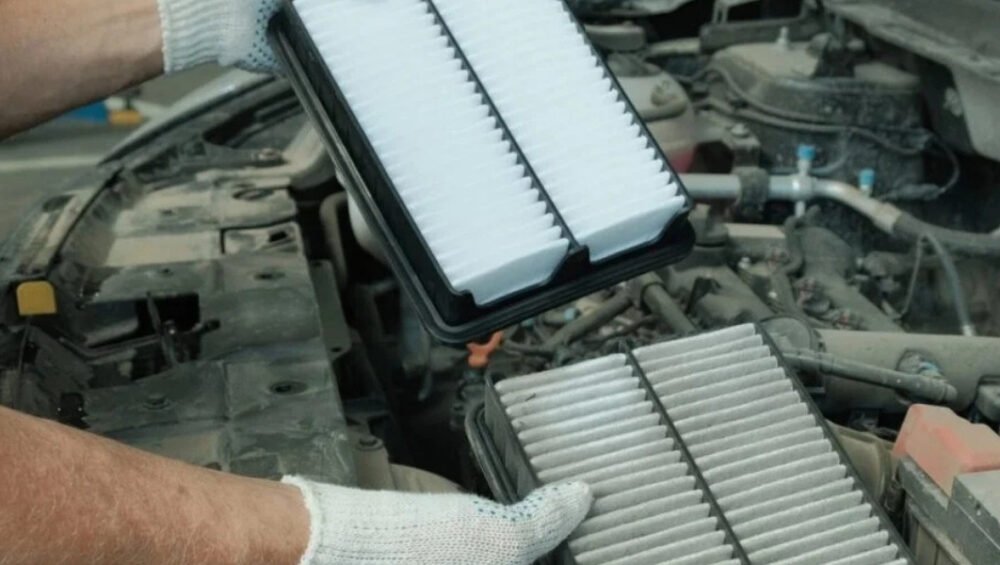
    Wondering what does an air filter do in a car? Your vehicle has hundreds of moving parts, and most of them get plenty of attention — oil, tires, brakes. But the humble air filter? It usually gets ignored until something goes wrong. Here’s the thing: your engine can’t run without air. And not just any air – clean air. The air filter is what stands between your engine and every bit of road dust, pollen, and debris swirling around outside your car. Get it wrong, and you’re looking at poor performance, a glowing check engine light, or worse, expensive engine damage. The air filter cleans the air entering your engine before combustion. A clogged filter leads to reduced power, poor fuel economy, dirty spark plugs and left too long – serious engine damage. Most filters should be replaced every 12,000–15,000 miles or once a year. What an Air Filter Actually Does Think of your car’s engine like a person running a marathon. Just like you need clean, steady breaths to perform your best, your engine needs a consistent supply of clean air to generate power efficiently. An engine air filter’s job is straightforward: it catches dust, dirt, sand, and other airborne debris before they can enter the engine and damage internal parts. Without it, every tiny particle swirling in the air — including things as fine as a grain of salt — would go straight into your engine. How the Car Air Filtration System Works Air enters your vehicle through the intake system, flows through the air filter (housed in an airbox under the hood), and then travels into the combustion chamber where it mixes with fuel. This system includes the air filter, airbox, and intake manifold — all working together to deliver clean air to the engine. The filter itself is made of pleated fibrous material — paper, foam, or cotton — specifically designed to trap particles while still allowing enough airflow for the engine to breathe freely. The Air-to-Fuel Ratio — Why Clean Air Is Everything Here’s something most people don’t realize: for every gallon of fuel your engine burns, roughly 10,400 gallons of air flow through the filter. That’s an enormous amount of air passing through a single component every time you drive. A clean air filter maintains the correct fuel-air balance, allowing your engine to run smoothly. A dirty one forces the engine to work harder, which affects performance and efficiency.The combustion process simply can’t function properly without the right mixture of clean air and fuel. Engine Air Filter vs. Cabin Air Filter — Know the Difference A lot of car owners mix these two up. They sound similar, but they serve completely different purposes. Your vehicle actually has two air filters, and both matter. What Does the Engine Air Filter Do? The engine air filter cleans the air entering the engine before combustion, ensuring that the air helping the fuel ignite is free of particulates that could cause longer-term damage. It lives in the engine bay — usually in a rectangular or round housing that’s easy to access. This is the filter that directly protects your pistons, cylinder walls, valves, and other engine internals from abrasive particles. What Does the Cabin Air Filter Do? The cabin air filter works to prevent dust, pollen, dirt, and other pollutants from entering the cabin through your A/C and heat vents. It’s the one protecting you — not the engine. You’ll find the cabin air filter behind the dashboard or near the glove compartment. It traps bugs, tiny dirt particles, pollen, and other air pollutants before they circulate inside the car. If you have allergies or asthma, this filter is especially important. Bottom line: the engine air filter protects your car. The cabin air filter protects you. Both need regular attention. What Happens When Your Air Filter Gets Dirty? Let’s be honest — this is where things get real. Ignoring a dirty air filter isn’t just an inconvenience. Over time, it can cause a chain reaction of problems that gets expensive fast. Performance Problems You’ll Feel A clogged engine air filter reduces engine power, decreases throttle response, weakens acceleration, and increases engine wear. Imagine you’re merging onto a highway and press the gas — and the car feels sluggish, almost reluctant to respond. That’s often a clogged air filter at work. The engine isn’t getting enough clean air to generate the power you’re asking for. A dirty or damaged air filter changes the car’s air-fuel balance, which can pollute spark plugs, cause the engine to miss or idle roughly, and trigger the check engine light to come on. Champion Auto Parts On top of that, a clogged air filter is believed to reduce gas mileage by as much as 10% in some cases — meaning you’re paying more at the pump for no good reason. Warning Signs You Shouldn’t Ignore Check Engine Light — the mass airflow sensor can detect lower levels of air entering the intake than normal, and when combined with oxygen sensor readings showing poor combustion, it can trigger the check engine light. Black smoke from the exhaust — black smoke from the tailpipe signals a fuel mixture that’s too rich, meaning there’s too much fuel relative to air — a classic sign of a blocked filter. Sluggish acceleration — your car hesitates or stumbles when you press the gas Strange engine noises — coughing, popping, or rough idling Fuel smell from the exhaust — unburned fuel exiting through the tailpipe Visually dirty filter — brand new filters appear nearly white; over time they turn brown or black as contaminants accumulate. Driving too long with a clogged air filter can also cause carbon deposits on spark plugs, and in worst-case scenarios, allow dirt and particulates to enter the engine itself – causing substantial wear and tear over time. How Often Should You Replace Your Car’s Air Filter? This is one of the most common questions, and the answer is simpler than you’d think. Standard Replacement

    car AC not blowing cold air

    Why is my car AC not blowing cold air? Most Common Issues

    A car AC not blowing cold air is one of the most frustrating summer problems a driver can face — you turn on the AC, hear the familiar click, feel the fan kick on, and still get hit with a wave of warm air. In a Texas summer, that’s not just inconvenient, it’s unbearable. The frustrating part is that a car AC not blowing cold air can have several different causes — and they all feel exactly the same from the driver’s seat. Without knowing what to look for, it’s easy to waste money on a refrigerant recharge that doesn’t fix the real problem, or panic about a compressor replacement you don’t actually need. The good news is that most AC failures follow clear, recognizable patterns. This guide walks you through all 7 of them — what causes each one, how to spot it, and what it takes to fix it. What you’ll learn: The 7 most common AC cooling failures and their symptoms How to tell which cause is affecting your specific car Which problems you can address yourself and which need a professional When to bring your vehicle to a trusted shop for an AC performance check 7 most common reasons that your car AC not blowing cold air 1. Low or Leaking Refrigerant Low refrigerant is the most commonly suspected reason behind a car AC not blowing cold air — and for good reason. Refrigerant is the chemical your AC system relies on to produce cold air. When the level drops due to a leak, cooling efficiency drops with it until the system stops working altogether. Unlike engine oil, refrigerant doesn’t get consumed during normal use. If your system is low, there’s a leak somewhere. Simply topping it off without finding and fixing that leak is a temporary fix at best. Signs your refrigerant may be low: Air from the vents is slightly cool but never truly cold The AC compressor clicks on and off rapidly Oily or greasy residue visible around AC line connections under the hood What to do: A professional AC performance check — like the one offered at Affordable Auto Care & Tire’s Car AC Repair Service — uses specialized gauges to measure system pressure and UV dye to pinpoint the exact leak location. This is the only reliable way to know for certain how low your refrigerant is and where it’s escaping. PRO TIPS: If you see oily residue around AC hose fittings or near the compressor, that’s often refrigerant oil left behind by a slow leak — a clear sign the system needs professional attention. 2. Compressor Clutch Not Engaging The AC compressor is the heart of the system. It pressurizes the refrigerant and drives the entire cooling cycle. But it doesn’t run continuously — it engages and disengages through a magnetic clutch on its front face. When that clutch fails to engage, no cooling happens, even if the refrigerant level is perfect. This is one of the trickiest causes to self-diagnose because the symptoms — warm air despite the fan running — look identical to low refrigerant. How to check it yourself: Start the car and turn the AC on max with the coldest temperature setting. Open the hood and locate the AC compressor — it’s a pulley-driven component on the front of the engine, connected to the serpentine belt. The outer ring of the clutch always spins with the belt. The inner hub should also be spinning when the AC is active. If only the outer ring turns, the clutch is not engaging. Listen for a distinct click when you switch the AC on. No click usually means no engagement. Common causes include a blown AC fuse, critically low refrigerant pressure (the system locks out the compressor to protect it), a failed clutch coil, or a bad AC pressure switch. PRO TIPS: Before assuming the compressor needs replacement, check the AC fuse in your fuse box. It’s a $1 fix that gets overlooked constantly. 3. Clogged or Dirty Condenser The condenser sits at the very front of your car — just in front of the radiator — and releases heat from the refrigerant as it passes through. Think of it as your AC system’s exhaust. When it gets clogged with bugs, road debris, leaves, or cottonwood seeds (very common in Texas springs), it can’t shed heat properly, and the whole system struggles. How to spot it: Look through the front grille with a flashlight. If the thin aluminum fins of the condenser appear dark, matted, or packed with debris, restricted airflow is likely hurting your AC performance. How to fix it: A gentle rinse with a garden hose from the engine side outward clears most blockages. Never use a pressure washer directly on the condenser — the delicate aluminum fins bend easily, and a damaged fin field is much harder to correct than a dirty one. If the fins are physically bent or the condenser is damaged from road debris, professional repair or replacement is the right call. Reduced condenser efficiency also stresses your auto cooling system as a whole, so catching it early matters. 4. Blocked Cabin Air Filter The cabin air filter cleans the air entering your car through the vents. When it’s severely clogged, airflow becomes so restricted that even a fully functioning AC system cannot push enough cold air into the cabin to make a noticeable difference. It’s one of the most overlooked parts on most vehicles — and one of the cheapest to fix. Most manufacturers recommend replacing the cabin air filter every 15,000–25,000 miles, but in high-pollen or dusty areas like Sugar Land and the greater Houston region, more frequent replacement is often necessary. How to check it: Locate the cabin air filter (typically behind the glove box or under the dashboard — check your owner’s manual), remove it, and inspect it visually. A heavily clogged filter is gray or brown, packed with dust, and may contain leaves or debris. If yours

    Shopping cart close