Which Is Better for Your Vehicle?
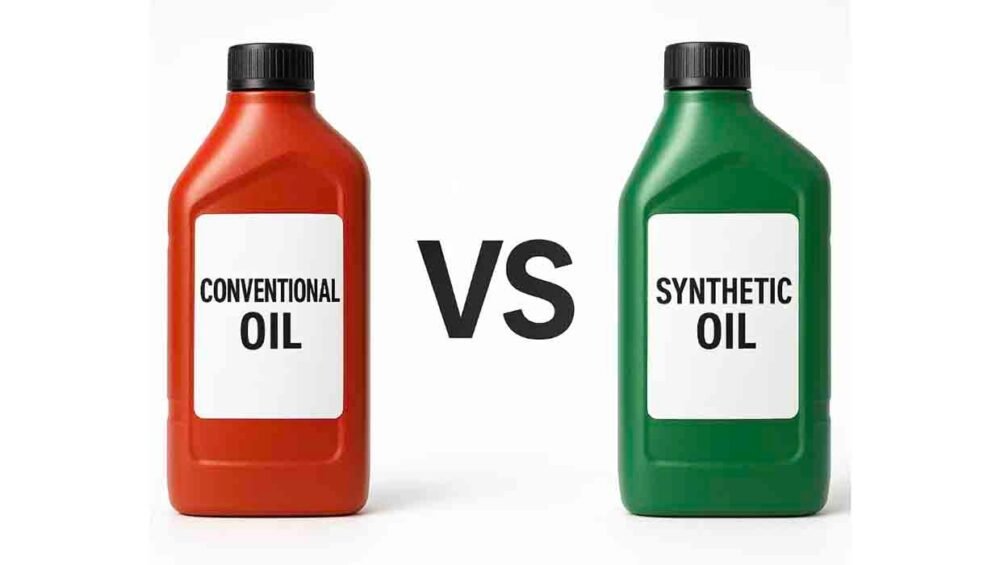
Conventional vs. Synthetic Oil: Should you choose conventional oil to save money, or is synthetic oil worth the additional cost?
The answer depends on several factors, including your vehicle’s age, engine design, driving habits, mileage, and manufacturer’s recommendations. Selecting the wrong oil can affect engine performance and potentially increase maintenance costs over time. If you are searching for the Best oil changer in Sugar Land, understanding the differences between conventional and synthetic oil can help you make a more informed maintenance decision.

What Is Conventional Engine Oil?

Benefits of Conventional Oil
2. Suitable for Certain Older Vehicles – Some older vehicles were originally designed to operate with conventional engine oil. When the manufacturer’s specifications allow it, conventional oil can provide appropriate lubrication and protection.
3. Widely Available – Conventional engine oil is readily available at many automotive service centres, making it easy for drivers to find a suitable oil change option.
Disadvantages of Conventional Oil
It generally breaks down faster under demanding operating conditions.
It may be less resistant to extreme temperatures than full synthetic oil.
It can require more frequent replacement, depending on the vehicle and operating conditions.
It may provide less consistent performance in some modern, high-performance engines.
What Is Synthetic Engine Oil?
Many modern vehicles require or recommend synthetic oil because of their advanced engine designs and tighter internal tolerances.
Benefits of Synthetic Oil
2. Improved Engine Protection – Its formulation can help reduce friction and protect engine components against wear, particularly under demanding driving conditions.
3. Better Resistance to Oil Breakdown – Full synthetic oil generally offers greater resistance to oxidation and thermal breakdown than conventional oil. This helps it maintain its performance over the manufacturer’s recommended service interval.
4. Helps Keep Engine Components Cleaner – Synthetic oil formulations often include detergents and dispersal that help control deposits and suspend contaminants, supporting engine cleanliness.
5. Potentially Longer Oil Change Intervals – Depending on your vehicle, oil specification, and driving conditions, synthetic oil may support longer oil change intervals than conventional oil.
However, always follow the manufacturer’s recommended maintenance schedule rather than assuming every synthetic oil lasts the same amount of time.
Disadvantages of Synthetic Oil
It generally costs more than conventional oil.
Not every vehicle requires full synthetic oil.
Choosing an incorrect viscosity or specification can negatively affect engine performance.
Extended oil change intervals are not automatically appropriate for every vehicle.
For many modern vehicles, however, the additional protection and performance characteristics make synthetic oil a worthwhile investment.
Which one is better?

Which Engine Oil Is Better for Your Vehicle?
Here are some situations to consider:
1. For Newer Vehicles – Many newer vehicles require or recommend full synthetic oil because of their advanced engine technology, turbochargers, and tighter manufacturing tolerances. Using the recommended synthetic oil can help maintain proper lubrication and support long-term engine performance.
2. For Older Vehicles – Older vehicles may be compatible with conventional, synthetic blend, or full synthetic oil. However, vehicle age alone does not determine which oil is appropriate. Check the manufacturer’s recommendations and consider the engine’s current condition before making a decision.
3. For High-Mileage Vehicles – High-mileage engines may benefit from specially formulated high-mileage oils. These products are available in conventional, synthetic blend, and full synthetic formulations. They may contain additives designed to help condition seals and manage deposits. However, they cannot repair worn or damaged engine components.
4. For Vehicles Driven in Hot Weather – Drivers in Sugar Land, TX, experience hot summer temperatures that can place additional demands on vehicle cooling and lubrication systems. Although the engine’s operating temperature is regulated by its cooling system, ambient heat and demanding driving conditions can influence overall engine stress. A suitable synthetic oil may provide additional resistance to thermal breakdown, but selecting the correct viscosity and specification remains essential.
5. For Frequent Stop-and-Go Driving – Regular traffic, short trips, and frequent acceleration can place additional demands on your engine. Drivers who frequently experience stop-and-go traffic may benefit from an oil formulation designed for demanding operating conditions. Synthetic oil can be a good option when it meets the vehicle manufacturer’s requirements.
Is Synthetic Oil Worth the Extra Money?
Better resistance to high-temperature breakdown.
Improved lubrication during cold starts.
Enhanced resistance to oxidation.
Better deposit control in many formulations.
Potentially longer manufacturer-approved service intervals.
However, the most expensive oil is not automatically the best oil for every vehicle.

How Often Should You Change Your Engine Oil?
These are general examples, not universal recommendations. Always follow your owner’s manual and oil-life monitoring system where applicable.
You should also consider an oil inspection if you notice:
Dark, contaminated, or unusually thick oil.
An illuminated oil pressure warning light.
Unusual engine noises.
An oil level that repeatedly drops.
Visible oil leaks.
An oil change reminder on your dashboard.
Why Professional Oil Change Service Matters?
When choosing an oil change service in Sugar Land, consider these important benefits:
Correct Oil Selection: Professional technicians can help identify the appropriate oil viscosity and specifications for your vehicle.
Oil Filter Replacement: Replacing the oil filter when required helps remove contaminants and maintain proper oil circulation.
Fluid Level Inspection: A routine service provides an opportunity to check engine oil levels and identify potential leaks.
Early Problem Detection: Technicians may identify visible maintenance concerns during a routine inspection.
Convenience and Peace of Mind: Professional service saves time and helps ensure that essential maintenance procedures are completed correctly.
If you want to maintain your vehicle’s reliability, regular oil changes should be an essential part of your maintenance routine.
Where Can You Get a Professional Oil Change in Sugar Land, TX?
Affordable Auto Care and Tires is a local automotive service business in Sugar Land, TX, where drivers can explore professional vehicle maintenance and repair solutions. Whether your vehicle requires a routine oil change or additional maintenance attention, choosing an experienced automotive service provider can help you stay ahead of potential problems.
Before scheduling your next service, make sure to ask about:
Available conventional and synthetic oil options.
Recommended oil viscosity for your vehicle.
Appropriate oil filter replacement.
Manufacturer-recommended maintenance intervals.
Any additional maintenance concerns identified during inspection.
Frequently Asked Questions About Conventional and Synthetic Oil
Full synthetic oil generally offers better temperature stability, oxidation resistance, and protection under demanding operating conditions. However, conventional oil remains suitable for vehicles whose manufacturers approve it. Always follow your owner’s manual.
2. Can I switch from conventional oil to synthetic oil?
Yes. Most vehicles compatible with conventional oil can also use full synthetic oil, provided the synthetic product meets the manufacturer’s required viscosity and specifications. Switching between the two does not normally require an engine flush.
3. How long does synthetic oil last?
Synthetic oil may support service intervals of 7,500–10,000 miles or more in certain vehicles. However, the correct interval depends on the vehicle manufacturer’s recommendations, oil specifications, and driving conditions.
4. Is synthetic oil better for older cars?
Synthetic oil can be appropriate for many older vehicles, provided it meets the engine’s requirements. High-mileage formulations may also be worth considering depending on the vehicle’s condition.
5. Does synthetic oil improve fuel efficiency?
Synthetic oil can potentially help reduce internal engine friction, which may contribute to improved fuel efficiency in some applications. However, the actual difference depends on the engine, oil formulation, and driving conditions.
6. How do I choose the right oil change service in Sugar Land?
Look for a reliable automotive service provider that checks your vehicle’s manufacturer specifications, recommends the correct oil, replaces the appropriate filter, and communicates maintenance recommendations clearly.
7. Is synthetic oil worth the additional cost?
For vehicles that require synthetic oil or operate under demanding conditions, the additional cost can be worthwhile because of its performance and protection characteristics. For other vehicles, conventional oil may be perfectly suitable.
Final Thoughts: Choose the Right Engine Oil for Better Vehicle Protection
Conventional oil can be an economical choice for compatible vehicles, while full synthetic oil generally provides enhanced protection against temperature extremes, oxidation, and demanding driving conditions. Ultimately, the best engine oil is the one that meets your vehicle manufacturer’s specifications and supports your driving needs.
If you are searching for the Best oil changer in Sugar Land, make engine maintenance a priority and choose a dependable professional service provider. Don’t wait until neglected maintenance leads to unnecessary engine problems. Schedule your next oil change service in Sugar Land and give your vehicle the attention it deserves.
Protect Your Engine. Improve Your Maintenance Routine. Drive With Confidence. And Book Our Service Now!