
Signs of Car Batteries Replacement !!
7 Signs Your Car Battery Needs Replacement! Your car battery plays a vital role in keeping your vehicle running. It supplies the electrical power needed to start the engine and supports essential systems such as headlights, dashboard electronics, power windows, and other electrical components. Without a properly functioning battery, even a well-maintained vehicle can leave you stranded unexpectedly.
However, car batteries rarely fail without warning. In many cases, they show noticeable symptoms before completely losing their ability to hold a charge. Recognising these early warning signs can help you avoid inconvenient breakdowns, unexpected repair expenses, and unnecessary stress. Whether you commute daily, travel around Sugar Land, or take occasional road trips, understanding your battery’s condition is essential for reliable vehicle performance.
So, how do you know when your car battery needs replacement?
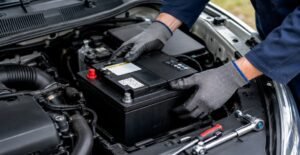
In this guide, we’ll explore seven important signs of a failing car battery, explain when you should seek professional assistance, and help you understand how to find the Best Car battery replacement in Sugar Land.
How Long Does a Car Battery Typically Last?
In Sugar Land, TX, hot summer temperatures can be particularly challenging for automotive batteries. Excessive heat can accelerate internal chemical reactions, increase fluid loss in certain battery designs, and contribute to premature battery deterioration.
Other factors that may shorten battery life include:
Frequent short-distance driving
Leaving headlights or interior lights switched on
Corroded or loose battery terminals
Electrical system problems
Extended periods without driving
Repeated deep battery discharges
Even if your battery appears to be working normally, regular testing can help determine whether it is still capable of providing reliable starting power.
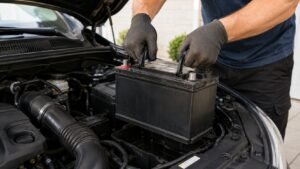
7 Warning Signs Your Car Battery Needs Replacement
1. Your Engine Takes Longer to Start – One of the earliest and most noticeable signs of a weak car battery is slow engine cranking. When you turn the ignition key or press the start button, the battery supplies the electrical energy required to operate the starter motor. If the battery is losing its ability to deliver sufficient power, the engine may take longer than usual to start.
You might notice:
The engine cranks more slowly than before.
Your vehicle struggles to start in the morning.
You hear repeated clicking sounds when starting.
The engine requires multiple attempts to turn over.
What should you do?
Have your battery and charging system professionally tested. A technician can measure battery voltage, assess its starting performance, and determine whether replacement is necessary. If you notice repeated starting difficulties, don’t wait until your vehicle stops starting completely.
2. Your Headlights Become Dim or Flicker – Your vehicle’s electrical system depends on a stable power supply. When the battery becomes weak, you may notice changes in the brightness of your headlights and interior lights.
Some common warning signs include:
Headlights appear dimmer than usual.
Dashboard lights flicker.
Interior lights become unusually weak.
Electrical accessories operate inconsistently.
Lights change brightness when the engine is idling.
If your lights frequently flicker or become noticeably dim, professional inspection can help identify the underlying issue. Getting the problem checked early can help prevent electrical failures and unexpected vehicle breakdowns.
3. Your Battery Warning Light Appears on the Dashboard – Modern vehicles are equipped with dashboard warning systems that alert drivers when electrical or charging system problems occur. If you see a battery-shaped warning light on your dashboard, you should not ignore it. Although many drivers assume this warning always means the battery is defective, it often indicates a problem with the vehicle’s charging system.
Possible causes include:
A failing alternator
A loose or damaged serpentine belt
Corroded battery connections
Damaged electrical wiring
A weak or failing battery
Charging system malfunctions
Is it safe to drive with the battery warning light on?
Driving with an illuminated battery warning light can be risky because the vehicle may be operating on limited stored battery power. Electrical systems may eventually stop functioning, and the engine could stall. Arrange a professional inspection as soon as possible. If the vehicle shows additional electrical problems or begins losing power, stop driving when safe and seek roadside assistance.
4. Your Battery Terminals Have Corrosion – Have you noticed white, blue, or greenish deposits around your car battery terminals? These deposits are commonly associated with battery terminal corrosion.
Corrosion can interfere with the electrical connection between the battery and your vehicle. As a result, the battery may struggle to deliver sufficient power to start the engine or operate electrical components. Common signs of battery terminal corrosion include:
Powdery deposits around the terminals
Difficulty starting your vehicle
Loose battery connections
Intermittent electrical problems
Visible damage around battery cables
If the battery is also old, weak, or unable to hold a charge, replacement may be the most reliable solution. Never touch leaking battery fluid or attempt to handle a damaged battery without proper safety precautions.
5. Your Battery Case Looks Swollen or Damaged – Physical damage to your car battery is a serious warning sign that should never be overlooked. A healthy battery should maintain its normal shape. If you notice that the battery case looks swollen, cracked, or deformed, it may indicate internal damage or excessive heat exposure.
Potential causes include:
Excessive heat
Overcharging
Internal battery failure
Freezing conditions
Physical damage
What should you do if your battery looks swollen?
Do not attempt to charge, jump-start, open, or repair a swollen battery. Avoid touching it and arrange professional assistance for safe inspection and replacement. In hot climates like Sugar Land, excessive under-hood temperatures can place additional stress on automotive batteries. Regular inspections can help identify physical deterioration before it becomes a more serious concern.
6. Your Car Battery Is More Than Three to Five Years Old – Age is one of the most important factors when evaluating your car battery’s condition. Most traditional car batteries have an expected lifespan of approximately three to five years. As the battery ages, its internal components gradually deteriorate, reducing its ability to hold a charge and provide sufficient starting power.
Even if your vehicle starts normally, an older battery may fail unexpectedly.
Consider getting your battery tested if:
It is approaching three years of use.
It has been in service for more than five years.
You frequently experience slow starting.
Your vehicle has recently required jump-starting.
You notice declining electrical performance.
7. You Frequently Need to Jump-Start Your Vehicle – If you regularly need jumper cables or a portable jump starter to get your car running, your battery or charging system may have a problem. A healthy automotive battery should generally start your vehicle without repeated external assistance.
Frequent jump-starting may indicate:
An aging or failing battery
A malfunctioning alternator
Parasitic electrical drain
Loose battery connections
An electrical system malfunction
Excessive battery discharge
If your battery repeatedly loses power, have the battery, alternator, and electrical system inspected by an experienced technician. Professional testing can determine whether you need a new battery or a different electrical system repair.
Why Professional Car Battery Replacement Matters?
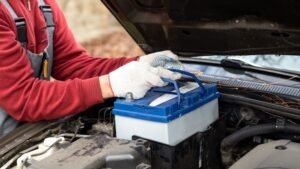
1. Accurate Battery Testing: Technicians can assess battery condition and determine whether replacement is actually necessary.
2. Correct Battery Selection: The replacement battery should match your vehicle’s specifications, including size, terminal configuration, and required performance.
3. Safe Battery Installation: Proper installation helps prevent loose connections, electrical problems, and damage to surrounding components.
4. Charging System Inspection: Checking the alternator and related components helps identify problems that could cause a new battery to fail prematurely.
5. Reliable Vehicle Performance: A properly selected and installed battery helps ensure dependable starting and consistent electrical operation.
If you’re searching for the Best Car battery replacement in Sugar Land, look for an experienced auto repair provider that offers professional battery testing, suitable replacement options, and transparent service recommendations.
How to Find the Best Auto Repair Shop in Sugar Land for Battery Replacement?
Professional Experience: Choose a shop with experience handling automotive battery and electrical system services.
Battery Testing: Look for providers that test the existing battery before recommending replacement.
Quality Replacement Options: Ensure the shop offers batteries that meet your vehicle manufacturer’s specifications.
Transparent Pricing: Ask for clear information about battery costs, installation, and any additional charges.
Customer Reviews: Read genuine customer feedback to understand the quality of service and customer experience.
Convenient Booking: Choose a repair provider that makes scheduling an appointment straightforward.
Frequently Asked Questions About Car Battery Replacement?
Common warning signs include slow engine cranking, dim headlights, dashboard battery warnings, corroded terminals, a swollen battery case, frequent jump-starting, and an older battery that fails testing. If you experience these symptoms, schedule a professional battery inspection.
2. How long does a car battery last in Sugar Land, TX?
Most conventional car batteries last approximately three to five years. However, high temperatures, frequent short trips, electrical problems, and maintenance conditions can affect battery lifespan.
3. Can a car battery be recharged instead of replaced?
Yes. A discharged battery may sometimes be recharged if it is still in good condition. However, a battery with damaged internal components or insufficient capacity may require replacement. Professional testing can help determine the best option.
4. How much does car battery replacement cost in Sugar Land?
The cost depends on your vehicle’s make and model, battery type, required specifications, and installation requirements. Contact a local auto repair provider for an accurate estimate.
5. Can a bad alternator damage a new car battery?
Yes. A malfunctioning alternator can fail to charge the battery properly or may overcharge it. This can shorten battery life and create electrical problems. That is why checking the charging system during battery replacement is important.
6. How often should I have my car battery tested?
Consider having your battery tested during routine maintenance, especially as it approaches three years of age. You should also arrange testing whenever you experience starting problems or notice electrical performance changes.
7. Should I replace my car battery before it completely dies?
If testing shows that your battery has significantly deteriorated or cannot reliably provide sufficient starting power, replacing it before complete failure is a sensible preventive measure. This can help reduce the risk of unexpected breakdowns.
Get Reliable Car Battery Replacement in Sugar Land Today!
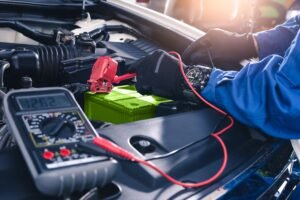
The good news is that early battery testing and timely replacement can help prevent many unexpected starting problems. If your vehicle is showing signs of battery failure, don’t wait until it stops working completely.
Looking for the Best Car battery replacement in Sugar Land?
Schedule your car battery inspection today and enjoy greater confidence every time you start your engine with Affordable Auto Care and Tires !!