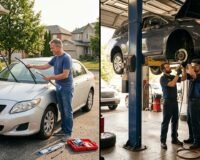
10 Causes of Frequent Tire Punctures
Your vehicle’s tires are the only components that maintain direct contact with the road. They play an essential role in maintaining traction, handling, braking performance, and overall driving safety. Even a small puncture can gradually reduce tire pressure, affect vehicle stability, and increase the risk of tire failure. But what causes tires to get punctured so frequently? Is it simply bad luck, or could something else be damaging your tires?

Understanding the most common causes can help you prevent repeated flat tires, avoid unnecessary replacement costs, and keep your vehicle road-ready. If you frequently experience tire problems, visiting a professional Auto tire repair shop in Sugar Land can help identify the actual source of the issue and determine the right solution.
Let’s explore the 10 most common causes of frequent tire punctures and what you can do to prevent them.
1. Driving Over Nails, Screws, and Sharp Metal Object – One of the most common reasons for tire punctures is driving over sharp objects left on roads, parking areas, and construction sites. Nails, screws, metal fragments, and other debris can penetrate the tire’s rubber surface and create small holes that allow air to escape. Sometimes, these objects remain embedded in the tread, making the damage difficult to notice during a quick visual inspection.
Common warning signs include:
Gradual loss of tire pressure
Repeated low-pressure warnings
A visible nail or screw in the tread
Frequent need to inflate the same tire
How can you prevent it?
2. Driving on Roads With Potholes and Rough Surfaces – Potholes, uneven pavement, broken asphalt, and rough road surfaces can significantly increase the risk of tire damage. When your vehicle hits a deep pothole, the tire may become compressed between the road surface and the wheel rim. This impact can damage the tire’s internal structure, cause a sidewall bulge, or create a pinch-related puncture. In some cases, the impact can also bend the wheel or damage the suspension system.
Warning signs of impact-related tire damage include:
Sudden loss of tire pressure
Visible bulges on the tire sidewall
Cracks or cuts in the rubber
Steering wheel vibrations
Unusual handling after hitting a pothole
How can you prevent it?
3. Incorrect Tire Pressure – Maintaining proper tire pressure is essential for tire durability and safe vehicle operation. Both under inflation and over inflation can contribute to tire problems. When a tire is underinflated, its sidewalls flex excessively while driving. This creates additional heat and stress, increasing the risk of internal damage and tire failure.
Overinflated tires, meanwhile, have a smaller contact area with the road and may be more vulnerable to certain types of impact damage. Incorrect tire pressure does not necessarily create a puncture by itself, but it can make existing damage worse and increase the likelihood of tire failure.

How can you prevent it?
4. Worn-Out or Aging Tires – Tires naturally deteriorate over time because of road friction, heat, weather exposure, and regular use. As the tread becomes thinner, the tire loses some of its ability to resist road hazards. Older tires may also develop cracks, weakened rubber, and structural deterioration. These conditions can increase the risk of punctures and other tire-related failures.
Common signs of tire deterioration include:
Low or uneven tread depth
Visible cracks in the rubber
Bulges or deformities
Exposed internal tire material
Repeated damage in different areas
How can you prevent it?
If your tires are repeatedly getting damaged, a professional inspection can help determine whether repair or replacement is the safer option.
5. Damaged or Faulty Tire Valves – Not every tire that loses air has a puncture in its tread. Sometimes, the problem comes from the tire valve. The valve stem allows air to enter and remain inside the tire. If it becomes cracked, loose, corroded, or damaged, air can gradually escape. A faulty valve core can also create a slow leak that may look like a recurring puncture.
Common symptoms include:
Repeated pressure loss without visible tire damage
Air escaping around the valve stem
A damaged or missing valve cap
Pressure dropping even when the vehicle is parked
How can you prevent it?

6. Improper Tire Installation or Poor Previous Repairs – Incorrect tire installation and low-quality previous repairs can contribute to recurring air leaks. For example, a tire that is not properly seated against the wheel rim may develop a bead leak. Similarly, an incorrectly repaired puncture may continue losing air because the damaged area was not sealed properly. Improper repairs can also compromise tire safety, particularly when damage is located outside the repairable tread area.
Common warning signs include:
Air leaking from a previously repaired area
Repeated pressure loss after tire installation
Air escaping around the tire bead
Visible irregularities around the repaired section
How can you prevent it?
Choose a professional tire repair facility that follows established tire industry repair procedures. A proper puncture repair generally requires removing the tire from the wheel for an internal inspection and using an approved combination repair unit, such as a patch-plug, when the damage is eligible.
Simply inserting an external plug without inspecting the inside of the tire may not provide an appropriate permanent repair. If a tire continues losing air after repair, have it reinspected rather than repeatedly inflating it.
7. Driving Too Close to Road Construction Areas – Road construction zones can expose your tires to numerous sharp objects and hazardous materials. Loose nails, screws, metal fragments, broken glass, and other construction debris may accumulate along roadsides and temporary driving lanes. Driving through these areas regularly can increase your chances of experiencing repeated tire punctures. This is particularly frustrating for people who commute through construction-heavy routes or frequently visit commercial and industrial locations.
How can you prevent it?
Maintain a safe distance from construction vehicles.
Avoid driving over visible debris.
Reduce your speed in construction zones.
Avoid sudden steering movements around road hazards.
Inspect your tires after encountering potentially hazardous road conditions.
If you frequently experience punctures after driving through construction areas, have your tires checked by a qualified technician.
8. Damaged Wheels or Bent Rims – Your vehicle’s wheels play an important role in maintaining an airtight connection with the tires. When a wheel becomes bent, cracked, or damaged, the tire may not seal correctly against the rim. This can result in gradual air loss, even when there is no visible puncture. Wheel damage often occurs after hitting potholes, curbs, road debris, or other obstacles.
Common symptoms include:
Repeated tire pressure loss
Air bubbles around the wheel rim
Steering wheel vibrations
Visible bends or cracks
Uneven tire wear

How can you prevent it?
9. Overloading Your Vehicle – Carrying more weight than your vehicle is designed to handle can place excessive stress on your tires. Every tire has a specified load capacity. When the combined weight of passengers, luggage, cargo, and other items exceeds the vehicle’s recommended limits, tires may experience increased heat buildup and structural stress. Overloading does not directly cause every puncture, but it can increase the risk of tire damage, particularly when combined with under inflation or rough road conditions.
Warning signs may include:
Tires appearing excessively compressed
Increased heat during longer drives
Reduced vehicle handling
Unusual tire wear
Frequent tire-related problems when carrying heavy loads
How can you prevent it?
10. Extreme Heat and High Operating Temperatures – High temperatures can place additional stress on vehicle tires. During hot weather, road surfaces can become extremely warm, increasing tire operating temperatures. When combined with under inflation, excessive vehicle loads, or prolonged high-speed driving, this can increase the risk of tire damage and failure. Drivers in Sugar Land and the surrounding Houston area should pay particular attention to tire maintenance during hot summer months.
Common signs of heat-related tire problems include:
Excessive tire wear
Cracking or deterioration
Frequent pressure fluctuations
Sidewall damage
Unusual tire vibrations
How can you prevent it?
Check tire pressure when tires are cold, preferably before driving or after the vehicle has been parked for several hours. Avoid overloading your vehicle, maintain recommended tire pressure, and inspect your tires regularly for cracks, bulges, and other signs of damage. If you notice unusual tire deterioration or repeated pressure loss, arrange a professional inspection.
Why Do My Tires Keep Getting Punctured in the Same Place?
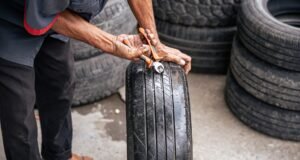
An improperly repaired previous puncture
Multiple punctures in the same tire
A damaged valve stem or valve core
A bent or cracked wheel
A leaking tire bead
Internal tire damage
Simply adding air or repeatedly applying temporary repairs may not resolve the actual issue.
A professional tire inspection can identify the source of the leak and determine whether the tire is safe to repair. Remember that punctures in the shoulder or sidewall generally cannot be safely repaired. Tires with structural damage, exposed cords, or other serious defects may require replacement.
How Can You Prevent Frequent Tire Punctures?
Here are some important tips:
Check tire pressure regularly: Maintain the recommended pressure for your vehicle.
Inspect tire tread: Look for embedded nails, screws, cracks, and uneven wear.
Avoid road debris: Stay alert around construction zones and damaged road surfaces.
Maintain proper wheel alignment: Correct alignment helps prevent uneven tire wear.
Avoid overloading: Follow your vehicle’s recommended load capacity.
Inspect tire valves: Replace damaged valve stems and faulty valve cores.
Schedule regular tire maintenance: Professional inspections can identify developing problems.
Replace unsafe tires: Do not continue driving on tires with serious structural damage.
When Should You Visit a Professional Auto Tire Repair Shop in Sugar Land?
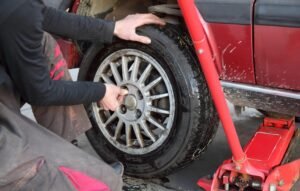
When choosing a tire repair provider, look for:
Experienced tire technicians
Proper tire inspection and diagnostic procedures
Professional puncture repair services
Tire pressure and leak testing
Wheel and valve inspections
Honest repair or replacement recommendations
Clear communication about service costs
What Are the 10 Causes of Frequent Tire Punctures? At Affordable Auto Care and Tire, drivers can explore professional automotive and tire care services to help address their vehicle maintenance needs. Whether you are dealing with a slow air leak, a damaged tire, or repeated punctures, getting the problem inspected is an important step toward safer and more reliable driving.
Frequently Asked Questions About Frequent Tire Punctures
Frequent tire punctures can result from nails, screws, sharp road debris, potholes, worn tires, incorrect tire pressure, damaged valves, bent wheels, or improper previous repairs. A professional inspection can help identify the underlying cause.
2. Can a tire be repaired after multiple punctures?
Sometimes. A tire may be repairable if the punctures meet recognized repairability requirements, are within the permitted tread area, and are sufficiently separated. Damage to the shoulder or sidewall generally makes the tire unsuitable for repair. An internal inspection is necessary before determining whether repair is safe.
3. How often should I check my tire pressure?
Check your tire pressure at least once a month and before long trips. Also check it when significant temperature changes occur. Always measure pressure when the tires are cold and follow the manufacturer’s recommended specifications.
4. Is it safe to drive with a slow tire leak?
Driving with a slow leak is not recommended because tire pressure can continue dropping, increasing heat buildup and the risk of tire failure. Inflate the tire to the recommended pressure if safe to do so, and arrange prompt professional inspection. If the tire is significantly underinflated or damaged, do not continue driving.
5. Can improper wheel alignment cause tire punctures?
Improper wheel alignment does not directly create punctures. However, it can cause uneven and excessive tire wear, which may make tires more vulnerable to damage and reduce their service life.
6. How do I find the best tire repair shop in Sugar Land?
Look for a tire repair provider with experienced technicians, proper inspection equipment, transparent pricing, professional repair procedures, and positive customer feedback. Make sure the shop evaluates tire safety before recommending a repair.
Stop Dealing With Frequent Flat Tires – Get Professional Tire Repair Today!
The key is to identify the actual cause instead of repeatedly treating the same symptoms. If you are experiencing frequent flat tires or searching for a dependable Auto tire repair shop in Sugar Land, don’t wait until another unexpected puncture leaves you stranded.
Affordable Auto Care and Tires is a local option for drivers looking for automotive and tire care services in Sugar Land. Take care of your tires before small problems become bigger concerns. Get your tires professionally inspected, address recurring air leaks, and enjoy greater confidence on every drive.
Contact Affordable Auto Care and Tire today to learn more about professional tire services and schedule your next appointment!