Autocareandtire

Call us

713-219-9472‬

Mon-Fri 8am-6pm

Saturday 8am-2pm

Auto Care & Tire

Schedule an online appointment

    Choose the Best Tires for Your Car

    12 How to Choose the Best Tires for Your Car? | Best Tire Repair Shop in Sugar Land

    Expert Advice from the Best Tire Repair Shop in Sugar Land – Choosing the right tires for your vehicle is one of the most important decisions you can make as a driver. Tires are not just rubber components attached to your car – they directly affect your safety, fuel efficiency, driving comfort, braking performance, and overall vehicle handling. Yet many drivers choose tires based only on price or appearance, without understanding what their vehicle actually needs. This often leads to poor performance, faster wear, lower fuel efficiency, and expensive replacements. In this complete guide from the best tire repair shop in Sugar Land, you’ll learn exactly how to choose the best tires for your car while saving money, improving safety, and maximizing performance.   Why Choosing the Right Tires Matters? Your tires are the only part of your vehicle that touches the road. Because of this, they play a critical role in: Vehicle control Braking performance Road traction Fuel efficiency Driving comfort Safety during bad weather Using the wrong tires can negatively affect your vehicle’s handling and increase the risk of accidents. At the best tire repair shop in Sugar Land, we often see drivers struggling with tire-related problems simply because they purchased the wrong type of tire for their needs. Step 1: Understand Your Driving Needs Before buying tires, the first thing you should ask yourself is: “How do I actually use my vehicle?”Different drivers need different types of tires.For example: Daily commuters need durability and fuel efficiency Highway drivers need comfort and stability Performance drivers need better grip and handling Family vehicles need safety and reliability At the best tire repair shop in Sugar Land, understanding your driving habits is always the first step toward choosing the perfect tire. Step 2: Know the Main Types of Tires One of the biggest mistakes drivers make is buying tires without understanding the differences between tire categories. All-Season Tires These are the most common tires and are ideal for everyday driving. They offer a balance of: Comfort Longevity Fuel efficiency Moderate weather performance For most drivers in Texas, all-season tires are often the best option. Performance Tires Performance tires provide: Better grip Improved cornering Enhanced handling However, they usually wear out faster and cost more. These tires are ideal for sports cars or drivers who prioritize performance over longevity. Touring Tires  Touring tires focus on: Smooth rides Low road noise Long-lasting durability Many drivers choose touring tires for comfort and long-distance driving. Winter Tires Winter tires are designed for: Snow Ice Extremely cold temperatures While they are not commonly needed in Texas, they are essential in colder regions. Step 3: Learn How to Read Tire Size Every tire has a specific size printed on its sidewall. Example: 225/65R17 This number tells you: Tire width Aspect ratio Tire construction Wheel diameter Using the wrong size can affect: Fuel efficiency Speedometer accuracy Vehicle stability At the best tire repair shop in Sugar Land, we always recommend following the manufacturer’s recommended tire size unless advised otherwise by a professional. Step 4: Balance Budget and Quality Many drivers try to save money by buying the cheapest tires available. However, cheap tires can lead to: Faster wear Poor traction Reduced safety More frequent replacement Instead of focusing only on price, focus on: Durability Warranty Long-term value At the best tire repair shop in Sugar Land, we help customers choose tires that provide the best balance between affordability and performance. Step 5: Prioritize Safety Features Safety should never be compromised when choosing tires. High-quality tires provide: Better wet-road traction Shorter braking distance Improved stability Look for tires with: Strong tread patterns Reliable traction ratings Good temperature resistance This is especially important in Texas, where hot roads can put extra stress on tires. Step 6: Consider Weather Conditions Your local climate plays a major role in tire selection. In Sugar Land and other Texas areas, drivers often deal with: High temperatures Heavy rain Hot road surfaces That’s why many customers at the best tire repair shop in Sugar Land prefer tires that perform well in both heat and wet conditions. Step 7: Think About Tire Lifespan Not all tires last the same amount of time. Some tires focus on: Performance Grip Speed Others focus on: Durability Mileage Long-term value If you drive frequently, choosing long-lasting tires can save you significant money over time. Step 8: Check Tire Warranty A tire warranty provides extra protection and peace of mind. Good warranties often cover: Manufacturing defects Tread life Early wear issues At the best tire repair shop in Sugar Land, we always encourage drivers to consider warranty coverage before making a final decision. Step 9: Don’t Ignore Tire Maintenance Even the best tires will wear out quickly without proper maintenance. To maximize tire life: Check air pressure regularly Rotate tires every few thousand miles Inspect tread depth Maintain wheel alignment Proper maintenance improves: Safety Fuel efficiency Tire lifespan Step 10: Avoid Tire Buying Mistakes Many drivers unknowingly make costly mistakes when buying tires. Common mistakes include: Buying based only on price Choosing the wrong tire size Ignoring tread quality Mixing different tire types Delaying replacement These mistakes can lead to: Poor performance Uneven wear Increased fuel costs Safety risks At the best tire repair shop in Sugar Land, professional guidance helps drivers avoid these expensive problems. Step 11: Understand the Real Value of Tires The cheapest tire is not always the most affordable option. A quality tire that lasts longer can save you money by: Reducing replacement frequency Improving fuel economy Lowering maintenance costs Long-term value matters more than short-term savings. Step 12: Choose Tires Based on Your Vehicle Type Different vehicles require different tire characteristics. Sedans Need comfort, fuel efficiency, and balanced performance.SUVs Require stronger tires with higher load capacity.Trucks Need durability and towing support. Sports Cars Require maximum traction and handling. At the best tire repair shop in Sugar Land, selecting tires based on vehicle type ensures better performance and safety. Why Choosing the Best Tire Repair


    14 Best Affordable Car Repair tips to Save Money

    14 Best Affordable Car Repair tips to Save Money

    In this 14 Best Affordable Car Repair tips to Save Money guide from the best vehicle repair shop in Sugar Land, you’ll discover practical, proven, and budget-friendly car repair tips that will help you save money – without compromising quality. Car repairs can quickly become one of the biggest unexpected expenses for any driver without the affordable car repair tips. Whether it’s a sudden breakdown or a routine fix, the costs can add up faster than you think. With the right knowledge and smart decisions, you can significantly reduce repair costs while maintaining safety and performance. Our 14 best affordable car repair tips to save money will be the best solution for every users.   Why Car Repairs Feel So Expensive? Before we dive into saving strategies, it’s important to understand why car repairs often seem costly. Most drivers wait until something breaks before taking action. By that time, small issues have already turned into major problems. At the best vehicle repair shop in Sugar Land, we often see customers who could have saved hundreds of dollars with early maintenance and smarter repair decisions. The key to saving money is prevention, awareness, and smart choices. Tip 01: Don’t Ignore Small Problems One of the biggest mistakes drivers make is ignoring minor issues. A small noise, vibration, or warning light may not seem urgent – but it often signals a developing problem. For example: A small brake issue can turn into complete brake failure A minor oil leak can damage your engine Slight AC problems can lead to full system breakdown Fixing problems early is always cheaper than repairing major damage. At the best vehicle repair shop in Sugar Land, we always recommend addressing issues as soon as they appear. Tip 2: Follow a Regular Maintenance Schedule Routine maintenance is the foundation of affordable car care. Skipping maintenance might save money today, but it almost always leads to higher repair costs later. Essential maintenance includes: Oil changes Tire rotation Brake inspections Fluid checks Regular maintenance helps prevent major breakdowns and extends the life of your vehicle. Think of it as an investment, not an expense. Tip 3: Understand Basic Car Problems You don’t need to be a mechanic – but having basic knowledge can save you money. Understanding common issues helps you: Avoid unnecessary repairs Communicate better with mechanics Make informed decisions At the best vehicle repair shop in Sugar Land, we believe informed customers make smarter choices and avoid overpaying. Tip 4: Compare Repair Options Not all repair solutions are equal. Sometimes you may have options such as: Repair vs replacement Used parts vs new parts OEM vs aftermarket components Choosing the right option depends on your budget and long-term goals. A trusted shop will always explain your options clearly. Tip 5: Choose the Right Repair Shop Where you take your car matters more than you think. At the best vehicle repair shop in Sugar Land, customers benefit from: ✔ Honest pricing ✔ Accurate diagnostics ✔ Experienced technicians ✔ Long-term solutions Choosing a reliable shop helps you avoid: Unnecessary repairs Overcharging Poor-quality work The right shop saves you money in the long run. Tip 6: Avoid Cheap, Low-Quality Repairs Trying to save money by choosing the cheapest repair option can backfire. Low-quality parts or inexperienced technicians may: Fail quickly Cause additional damage Increase future repair costs Smart savings come from value, not just low price. Tip 7: Focus on Long-Term Value When it comes to repairs, always think long-term. For example: A slightly more expensive part that lasts longer can save money Proper repair now can prevent repeated issues At the best vehicle repair shop in Sugar Land, we always prioritize solutions that offer the best long-term value. Tip 8: Maintain Your Tires Properly Tires play a major role in both safety and cost. Poor tire maintenance can lead to: Increased fuel consumption Faster wear Risk of accidents Simple ways to save: Check tire pressure regularly Rotate tires Align wheels properly Proper tire care reduces repair costs and improves efficiency. Tip 9: Don’t Delay Oil Changes Oil is essential for your engine’s health. Skipping oil changes can lead to: Engine overheating Increased wear Expensive engine repairs Regular oil changes are one of the cheapest ways to prevent major damage. Tip 10: Pay Attention to Warning Signs Your car gives you signals when something is wrong. Common warning signs include: Strange noises Dashboard warning lights Reduced performance Unusual smells Ignoring these signs can lead to costly repairs. Tip 11: Use Preventive Maintenance Preventive maintenance is one of the best ways to save money. This includes: Regular inspections Replacing worn parts early Keeping systems clean and efficient At the best vehicle repair shop in Sugar Land, preventive care is a top priority for long-term savings. Tip 12: Ask Questions Before Repair Never hesitate to ask your mechanic questions. Ask about: Repair options Cost breakdown Urgency of the issue Transparency helps you avoid unnecessary expenses. Tip 13: Take Advantage of Discounts & Offers Many repair shops offer: Seasonal discounts Service packages Loyalty programs These can significantly reduce your overall cost. Tip 14: Drive Smart to Reduce Repairs Your driving habits directly affect repair costs. Aggressive driving can lead to: Brake wear Tire damage Engine strain Smooth driving = fewer repairs = more savings Common Mistakes That Cost You More Avoid these mistakes if you want to save money: ❌ Ignoring maintenance ❌ Choosing the cheapest option blindly ❌ Delaying repairs ❌ Visiting untrusted repair shops These mistakes often lead to higher expenses. Why the Best Vehicle Repair Shop in Sugar Land Makes a Difference? Working with professionals ensures: ✔ Accurate problem diagnosis ✔ Cost-effective solutions ✔ Reliable repairs ✔ Long-term savings At the best vehicle repair shop in Sugar Land, the goal is not just to fix your car – but to help you save money and avoid future problems. Final Thoughts Saving money on car repairs isn’t about cutting corners – it’s about making smart decisions. By following these tips, you

    Car AC Struggles in Texas Heat

    6 reasons of Car AC Struggles in Texas Heat

    When the Texas heat hits its peak, your Car AC Struggles in Texas Heat which isn’t just a luxury – it’s a necessity. So, when your AC suddenly starts blowing warm air, it can quickly turn your drive into an uncomfortable experience. If you’re searching for solutions, this guide from the Best vehicle repair shop in Sugar Land will help you understand the real reasons behind AC failure – and what you should do next. Why Your Car AC Struggles in Texas Heat? Texas temperatures can easily exceed 100°F (38°C), putting extreme pressure on your vehicle’s cooling system. Your car’s AC must work harder than usual, and even a small issue can lead to complete failure. Here are the most common reasons your car AC is not cooling properly: 1. Low Refrigerant Level (Most Common Issue) Refrigerant (AC gas) is the key component that cools the air inside your car. If levels drop due to leaks or natural loss over time, your AC will stop cooling effectively. Signs: Warm air instead of cold AC takes too long to cool Hissing sound from AC system Solution:A professional inspection and refrigerant recharge from the best vehicle repair shop in Sugar Land ensures proper cooling performance. 2. AC Compressor Failure The compressor is the heart of your AC system. It circulates refrigerant and maintains pressure. Signs: AC not cooling at all Loud noises when AC is on AC clutch not engaging Why it happens: Wear and tear Lack of maintenance Electrical issues 3. Blocked or Dirty Condenser The condenser releases heat from the refrigerant. In dusty environments like Texas, it can easily get clogged with dirt, debris, or bugs. Signs: AC cools only while driving Overheating engine Reduced airflow Fix:Cleaning or replacing the condenser restores cooling efficiency. 4. Electrical or Sensor Issues Modern vehicles rely heavily on sensors and electronics. A faulty sensor or wiring problem can disrupt the entire AC system. Signs: AC works intermittently Sudden temperature changes AC stops working randomly Solution:Advanced diagnostics by a professional technician is required. 5. Faulty Blower Motor The blower motor pushes cool air into your cabin. If it’s weak or damaged, airflow will be reduced. Signs: Weak airflow from vents No air coming out Strange noises 6. Cabin Air Filter Blockage A dirty cabin air filter restricts airflow, making your AC feel ineffective. Signs: Low airflow Musty smell Poor cooling performance Quick fix:Replacing the air filter can significantly improve cooling. Why You Should NOT Ignore This Problem? Ignoring AC issues can lead to: Higher repair costs Complete system failure Uncomfortable and unsafe driving conditions Increased fuel consumption Why Choose the Best Vehicle Repair Shop in Sugar Land? When it comes to AC repair, expertise matters. A quick DIY fix might not solve the root problem. At a trusted repair shop, you get: ✔ Accurate diagnostics✔ Certified technicians✔ High-quality parts✔ Affordable pricing✔ Long-term solutions Pro Tips to Keep Your Car AC Working Perfectly Run your AC regularly (even in winter) Get AC service every 6–12 months Keep condenser clean Replace cabin air filter regularly Fix small issues early When Should You Visit a Professional? You should visit a repair shop immediately if: Your AC blows hot air Cooling is inconsistent You hear unusual noises There is a bad smell from vents Finally Your car AC system is essential – especially in Texas heat. Most AC problems start small but can quickly become expensive if ignored. If you’re experiencing any of the issues mentioned above, don’t wait. Get your vehicle checked by the Best vehicle repair shop in Sugar Land where we situated and enjoy a cool, comfortable drive again. Because we at Affordable Auto Care & Tires provide their servcies with care and potentiality.

    Power Steering

    Power Steering: How It Works, Common Problems, and Maintenance Tips of

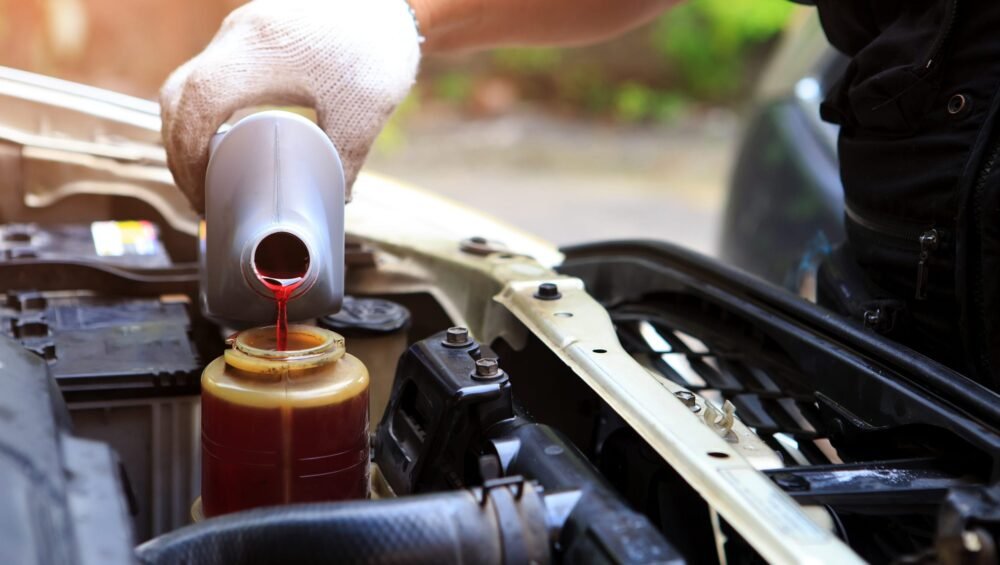
    Power steering is an essential automotive system that allows drivers to turn the steering wheel with minimal effort. Whether you’re navigating tight parking spaces or cruising on the highway, power steering ensures smooth and precise control of your vehicle. Without it, steering would require significant physical strength, especially at low speeds. In this comprehensive guide, we’ll explore what power steering is, how it works, common problems, maintenance tips, and why regular servicing is crucial for your vehicle’s safety and performance.     What Is Power Steering? Power steering is a system designed to reduce the effort required to steer a vehicle. It uses either hydraulic or electric components to assist the driver in turning the wheels. Modern vehicles primarily use two types of power steering systems: Both systems aim to improve driver comfort and enhance vehicle control, but they operate differently. How Hydraulic Power Steering Works Hydraulic power steering uses a pump powered by the engine to circulate power steering fluid under pressure. When the driver turns the steering wheel, the system directs the fluid to help move the steering rack, making it easier to turn the wheels. Key components include: Hydraulic systems are known for their reliability and strong steering feel, but they require regular fluid checks and maintenance. How Electric Power Steering Works Electric Power Steering (EPS) uses an electric motor instead of hydraulic fluid to assist steering. Sensors detect the driver’s steering input and provide the necessary assistance electronically. Advantages of EPS include: EPS systems are common in modern vehicles due to their efficiency and lower maintenance requirements. Benefits of Power Steering Power steering offers several important benefits: Without power steering, driving—especially in urban areas—would be physically demanding and less safe. Common Power Steering Problems Like any vehicle system, power steering can develop issues over time. Recognizing early warning signs can prevent costly repairs. 1. Steering Wheel Is Hard to Turn If your steering feels stiff, it could indicate low power steering fluid, a failing pump, or belt problems. 2. Whining or Squealing Noise Unusual noises while turning often suggest low fluid levels or a worn-out power steering pump. 3. Fluid Leaks Hydraulic systems rely on fluid. If you notice red or pink fluid under your vehicle, it may be a power steering fluid leak. 4. Vibrations While Steering Steering wheel vibrations can signal air in the system, worn components, or alignment issues. 5. Warning Light on Dashboard In vehicles with electric power steering, a warning light may indicate a system malfunction requiring professional diagnosis. Power Steering Maintenance Tips Regular maintenance ensures your power steering system operates efficiently and lasts longer. Check Fluid Levels Regularly For hydraulic systems, inspect the power steering fluid reservoir monthly. Low fluid can cause damage to the pump and steering components. Inspect for Leaks Look under your car for fluid spots. Address leaks immediately to avoid system failure. Replace Worn Belts A loose or damaged belt can prevent the pump from working properly. Replace belts as recommended by your vehicle manufacturer. Schedule Routine Inspections Professional mechanics can inspect the steering rack, pump, hoses, and electronic components to identify issues early. Use the Right Fluid Always use manufacturer-recommended power steering fluid to maintain optimal performance. When to Replace Power Steering Components Over time, certain components may wear out and require replacement. A failing power steering pump, damaged steering rack, or malfunctioning electric motor should be addressed promptly. Ignoring these issues can compromise your vehicle’s safety and lead to more expensive repairs. If your steering becomes unpredictable or excessively stiff, seek professional service immediately. Cost of Power Steering Repair The cost of power steering repair varies depending on the issue and vehicle type. Minor repairs, such as fluid replacement or belt adjustment, are relatively affordable. However, replacing a steering rack or electric motor can be more expensive. Regular maintenance significantly reduces the risk of major repair costs. Why Power Steering Service Is Important Power steering is directly linked to vehicle safety. A malfunctioning steering system can make it difficult to control your car, increasing the risk of accidents. Regular inspections ensure your system operates smoothly and reliably. Whether your vehicle uses hydraulic or electric power steering, preventative maintenance extends its lifespan and keeps your driving experience comfortable and safe. Final Thoughts Power steering plays a crucial role in modern driving, providing comfort, control, and safety. Understanding how the system works and recognizing early warning signs can help you avoid unexpected breakdowns. By maintaining proper fluid levels, scheduling regular inspections, and addressing problems promptly, you can ensure your power steering system remains in excellent condition for years to come. If you notice any steering issues, don’t delay—have your vehicle inspected by a qualified technician to keep your car running smoothly and safely.  

    Shopping cart close