
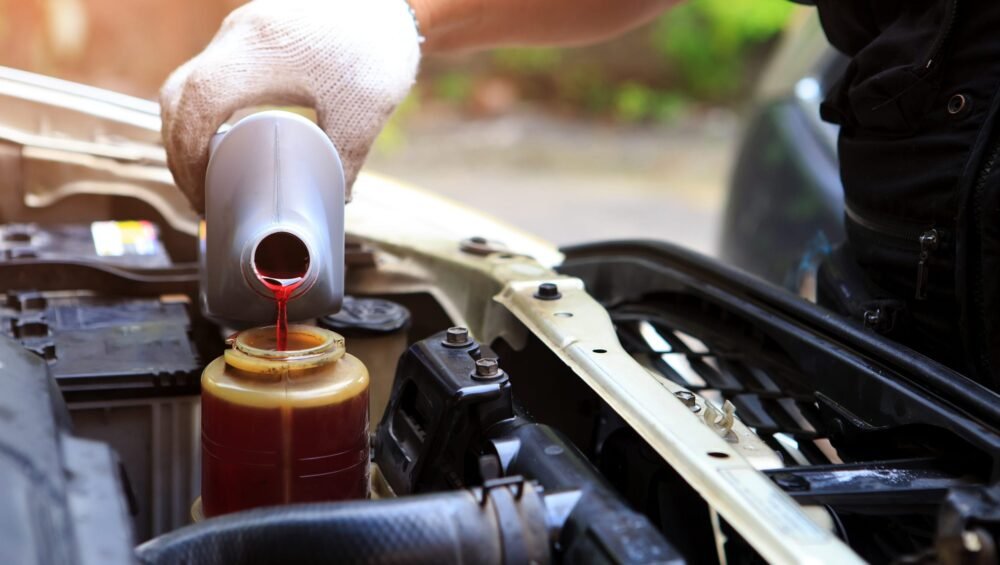
Power steering is an essential automotive system that allows drivers to turn the steering wheel with minimal effort. Whether you’re navigating tight parking spaces or cruising on the highway, power steering ensures smooth and precise control of your vehicle. Without it, steering would require significant physical strength, especially at low speeds. In this comprehensive guide, we’ll explore what power steering is, how it works, common problems, maintenance tips, and why regular servicing is crucial for your vehicle’s safety and performance.
What Is Power Steering?
Power steering is a system designed to reduce the effort required to steer a vehicle. It uses either hydraulic or electric components to assist the driver in turning the wheels. Modern vehicles primarily use two types of power steering systems:
- Hydraulic Power Steering (HPS)
- Electric Power Steering (EPS)
Both systems aim to improve driver comfort and enhance vehicle control, but they operate differently.
How Hydraulic Power Steering Works
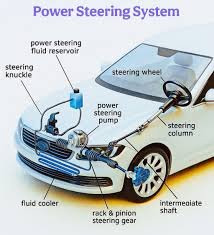
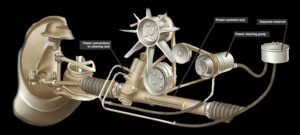
Hydraulic power steering uses a pump powered by the engine to circulate power steering fluid under pressure. When the driver turns the steering wheel, the system directs the fluid to help move the steering rack, making it easier to turn the wheels.
Key components include:
- Power steering pump
- Steering rack and pinion
- Power steering fluid reservoir
- Hoses and belts
Hydraulic systems are known for their reliability and strong steering feel, but they require regular fluid checks and maintenance.
How Electric Power Steering Works
Electric Power Steering (EPS) uses an electric motor instead of hydraulic fluid to assist steering. Sensors detect the driver’s steering input and provide the necessary assistance electronically.
Advantages of EPS include:
- Improved fuel efficiency
- Less maintenance (no fluid required)
- Enhanced integration with safety features like lane assist
EPS systems are common in modern vehicles due to their efficiency and lower maintenance requirements.
Benefits of Power Steering
Power steering offers several important benefits:
- Ease of control: Makes steering effortless, especially at low speeds.
- Improved safety: Enhances driver control during emergency maneuvers.
- Reduced driver fatigue: Minimizes strain on arms and shoulders.
- Better driving comfort: Provides smoother and more responsive handling.
Without power steering, driving—especially in urban areas—would be physically demanding and less safe.

Common Power Steering Problems
Like any vehicle system, power steering can develop issues over time. Recognizing early warning signs can prevent costly repairs.
1. Steering Wheel Is Hard to Turn
If your steering feels stiff, it could indicate low power steering fluid, a failing pump, or belt problems.
2. Whining or Squealing Noise
Unusual noises while turning often suggest low fluid levels or a worn-out power steering pump.
3. Fluid Leaks
Hydraulic systems rely on fluid. If you notice red or pink fluid under your vehicle, it may be a power steering fluid leak.
4. Vibrations While Steering
Steering wheel vibrations can signal air in the system, worn components, or alignment issues.
5. Warning Light on Dashboard
In vehicles with electric power steering, a warning light may indicate a system malfunction requiring professional diagnosis.
Power Steering Maintenance Tips
Regular maintenance ensures your power steering system operates efficiently and lasts longer.
Check Fluid Levels Regularly
For hydraulic systems, inspect the power steering fluid reservoir monthly. Low fluid can cause damage to the pump and steering components.
Inspect for Leaks
Look under your car for fluid spots. Address leaks immediately to avoid system failure.
Replace Worn Belts
A loose or damaged belt can prevent the pump from working properly. Replace belts as recommended by your vehicle manufacturer.
Schedule Routine Inspections
Professional mechanics can inspect the steering rack, pump, hoses, and electronic components to identify issues early.
Use the Right Fluid
Always use manufacturer-recommended power steering fluid to maintain optimal performance.
When to Replace Power Steering Components
Over time, certain components may wear out and require replacement. A failing power steering pump, damaged steering rack, or malfunctioning electric motor should be addressed promptly. Ignoring these issues can compromise your vehicle’s safety and lead to more expensive repairs.
If your steering becomes unpredictable or excessively stiff, seek professional service immediately.
Cost of Power Steering Repair
The cost of power steering repair varies depending on the issue and vehicle type. Minor repairs, such as fluid replacement or belt adjustment, are relatively affordable. However, replacing a steering rack or electric motor can be more expensive.
Regular maintenance significantly reduces the risk of major repair costs.
Why Power Steering Service Is Important
Power steering is directly linked to vehicle safety. A malfunctioning steering system can make it difficult to control your car, increasing the risk of accidents. Regular inspections ensure your system operates smoothly and reliably.
Whether your vehicle uses hydraulic or electric power steering, preventative maintenance extends its lifespan and keeps your driving experience comfortable and safe.
Final Thoughts
Power steering plays a crucial role in modern driving, providing comfort, control, and safety. Understanding how the system works and recognizing early warning signs can help you avoid unexpected breakdowns. By maintaining proper fluid levels, scheduling regular inspections, and addressing problems promptly, you can ensure your power steering system remains in excellent condition for years to come.
If you notice any steering issues, don’t delay—have your vehicle inspected by a qualified technician to keep your car running smoothly and safely.


2 Comments
Heard some buzz about this Taya999 thing. Thinking about checking it out. Is it legit? Any recommendations or warnings for a newbie? I’m always on the lookout for a new place to play though. taya999
I heard 11ccbet mentioned in a forum, thinking of signing up. Seems promising. Who else is in? Let’s try our luck shall we: 11ccbet